


Remote-worker fraud brings insider risk into the hiring process
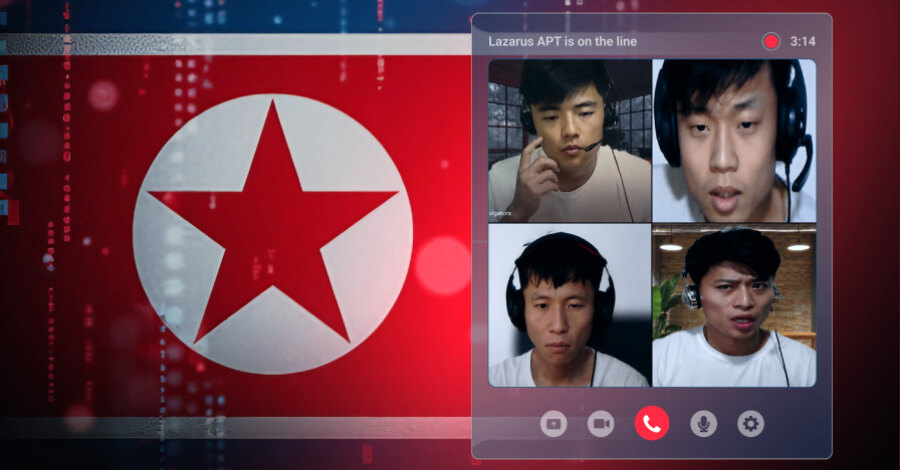
The FBI is investigating a suspected North Korean remote IT worker who reportedly worked for a US federal agency, underscoring a hiring-stage threat in which a fraudulent candidate can obtain legitimate credentials and access. A joint investigation by Mauro Eldritch of BCA LTD, Heiner García of NorthScan and ANY.RUN examined suspected DPRK developers linked to the Lazarus Group.
The researchers hired the individuals into virtual desktop environments presented as ordinary workstations. The desktops were in fact controlled ANY.RUN Sandboxes, allowing the team to record operator activity without exposing production corporate systems. Their observations included forged identities, remote-access tooling, AI-assisted workflows, and VPN and VPS infrastructure.
A threat that enters through recruitment
North Korean IT-worker schemes challenge the conventional model of an attacker attempting to break into an organisation from outside. Candidates may pass interviews, submit plausible documents and receive approved access before conventional security controls have a reason to raise an alert.
The investigation found that the most useful warnings were often combinations of minor discrepancies rather than a single definitive indicator. These included personal addresses, states, documents or banking details that did not align; signs that identification materials had been manipulated; interview behaviour suggestive of off-screen assistance; and network activity inconsistent with a claimed location.
No individual signal establishes malicious intent. However, several signals together warrant deeper validation before access is granted, particularly for positions involving source code, cloud infrastructure, production systems or financial assets. The approach reflects the wider pressure on security teams from complex, multi-stage threats, including the Cisco vulnerabilities, ClickFix chains and AI-agent incidents examined in Cisco vulnerabilities, ClickFix chains and AI-agent incidents as organisations assess where trusted workflows can be abused.
Verification needs to extend beyond documents
The researchers recommend using multiple independent checks for sensitive remote roles. Identity documents, stated location, employment history, interview behaviour and financial information should form a consistent account before an employee is entrusted with access. A convincing document alone is not sufficient evidence of the person behind it.
Interactive analysis environments can also help security teams assess suspicious files, links, scripts and tools connected with employee activity. In the investigation, sandboxed desktops provided visibility into files opened, network connections and tools used, producing evidence that would have been difficult to obtain through identity checks alone.
Turn investigation evidence into detection
The investigation identified IP addresses, VPN endpoints and VPS infrastructure associated with the suspected operators. Security teams can compare such indicators with historical logs, endpoint telemetry, proxy records and DNS data. A match is not proof of DPRK activity, but it is a reason to investigate further when other suspicious evidence is present.
Findings should not be reviewed once and discarded. Adding confirmed infrastructure and related indicators to continuing detection processes can help teams identify repeat or connected activity elsewhere in the environment. The practical business implication is that recruitment, identity assurance and security operations need a shared process for validating high-risk remote hires before trusted access becomes an insider-risk problem.