


OpenAI examines how AI could reorganize the modern firm
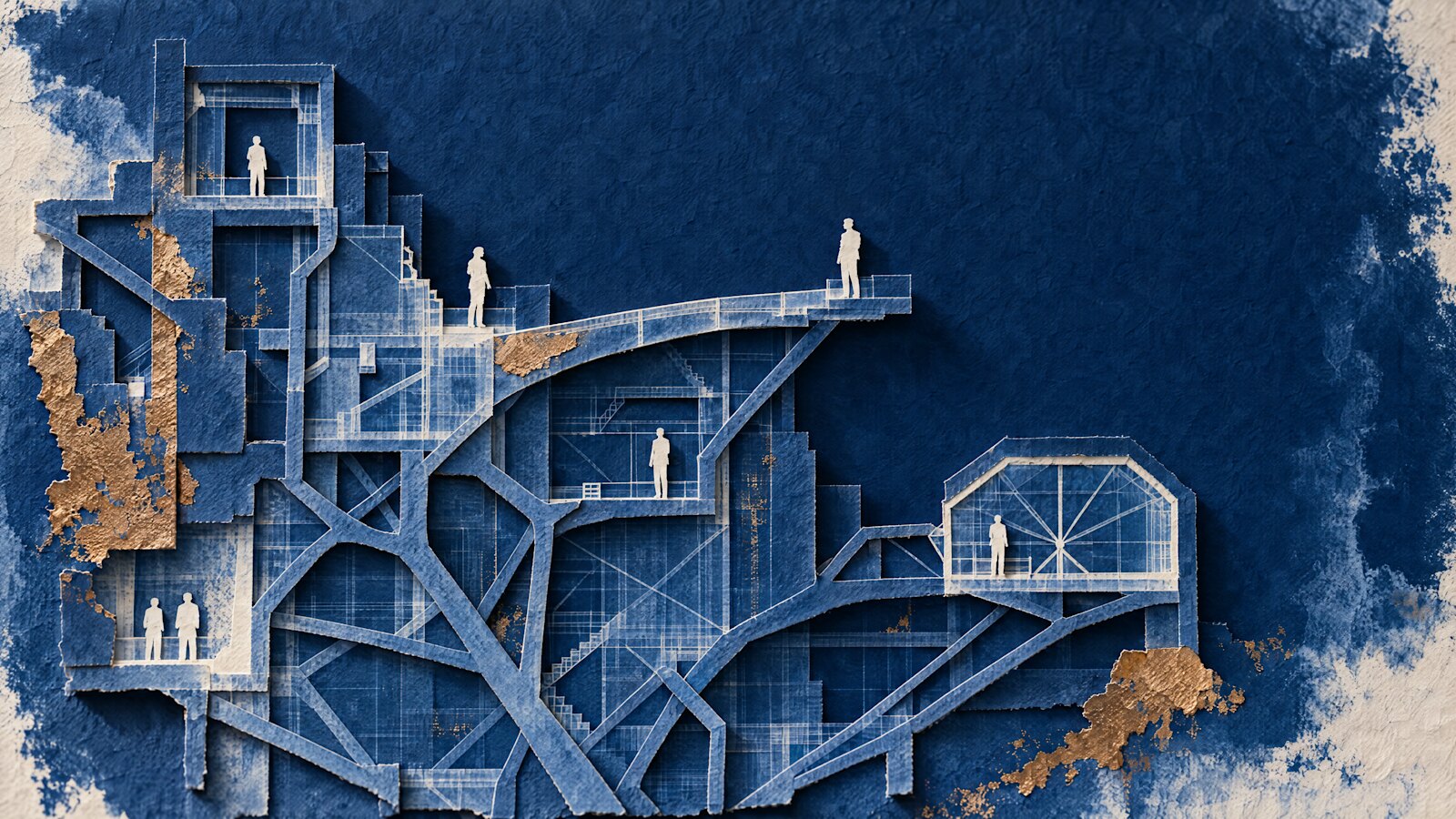
OpenAI researchers Hemanth Asirvatham and Elliott Mokski have outlined three illustrative ways artificial intelligence could enter corporate org charts: below employees as delegated agent labor, beside them as a colleague-like team member, or between executives and staff as a coordinating and advisory layer. Their essay, “The future of the firm,” focuses on hybrid organizations rather than an immediate transition to total automation.
The authors argue that the effect of AI will depend not only on model capability, but also on how readily a company can adopt it. Narrow tools may require workers to change established processes, while AI that can handle a broader function could be adopted more directly by managers and executives.
Three positions for AI in the organization
In the first scenario, called “promoting,” every employee gains an AI workforce beneath them. Agents initially resemble supervised interns handling discrete tasks such as drafting emails, preparing memos or replying to messages. As they improve, they could coordinate with one another and take on specialized functions, leaving the human responsible for direction, judgment and a larger scope of output.
That model does not necessarily imply layoffs, the authors say. A role could change rather than disappear if rising productivity is met by a larger objective and continued demand. They also note that this shift would alter entry-level work: traditional grunt work and some apprenticeship routes may diminish, while junior employees may gain more room to demonstrate judgment, taste and management capacity.
The second scenario, “interleaving,” puts AI alongside human teams. A manager could delegate an entire slice of work to an agent team, which gathers context, divides tasks and escalates decisions requiring approval. OpenAI’s researchers describe a furniture-company vice president assigning a marketing launch to AI agents that coordinate research, production constraints, surveys and creative drafts before presenting a campaign for review.
AI as a management and coordination layer
The third scenario, “layering,” places AI between people in the hierarchy. In this model, an AI consultancy examines company documents and communications, identifies conflicts or risks, and brings relevant evidence and proposed actions to executives. The authors argue that this could shorten the distance between the C-suite and day-to-day operations, but could also centralize authority.
They distinguish this kind of system from simplistic workplace surveillance. An AI monitor that recognizes substantive progress towards an objective could, in their view, support more flexible work and reduce reliance on proxy measures such as clicks, mouse movement or presence indicators. The same capability could instead enforce a senior executive’s preferred methods more rigorously across an organization.
Questions for firms adopting AI
The essay identifies four unresolved outcomes: whether firms will have more or less red tape, whether workers gain or lose agency, whether firms shrink or widen, and whether pay disparities rise or fall. Cheaper prototyping could reduce planning-heavy processes and make it easier for individuals to test ideas. Yet AI coordination and monitoring could also strengthen centralized control.
Similarly, AI may make large companies easier to coordinate, but may also make external contractors and suppliers easier to manage. Better advice for more employees could compress differences in decision-making, while larger human remits could make judgment and leadership more consequential.
For business leaders, the practical implication is to treat AI adoption as an organizational design question as well as a technology purchase: decide which work can be delegated, where accountability stays human, and how monitoring systems will balance visibility with employee agency.