


Data Center Growth Spurs New Approaches to US Grid Capacity
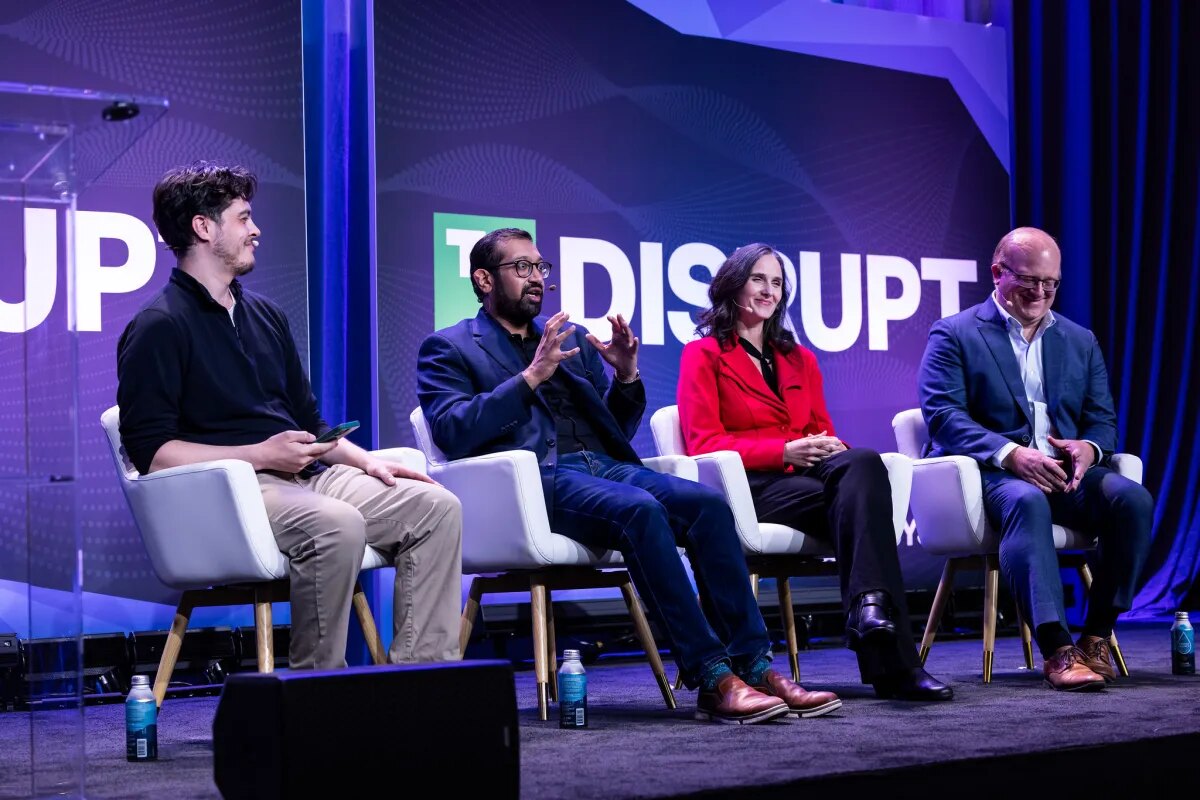
Rising electricity demand from AI data centers is putting fresh pressure on the US power grid, but executives at TechCrunch Disrupt argued that the same surge could speed up grid modernization. Apoorv Bhargava, founder and CEO of Weavegrid, Tim Heidel, CEO of Veir, and Kristen Eberhard, vice president of policy at Rewiring America, described a system facing more complex loads and a stronger incentive to deploy new technologies.
The discussion centred on the rapid addition of data centers, electric vehicles, heat pumps and renewable generation to a grid built for a different pattern of supply and demand. Critics have warned that the near-term result could include higher electricity bills, while longer-term strains could lead to outages or other technical problems.
A grid managing more variables
Bhargava said utilities are now grappling with a fundamentally different electric grid. In addition to new electricity demand, they must manage variable renewable generation and coordinate a growing number of connected devices and facilities.
Weavegrid is seeking to address that challenge through software for load orchestration and management. Bhargava said the platform can help organizations deploy energy more efficiently and optimise connections in ways intended to reduce costs for utility customers while making better use of the existing system.
The point is not that additional capacity is unnecessary. Rather, the panelists presented management of demand and connections as one part of the response to a period of accelerated load growth.
Transmission technology and investment
Veir is focused on the physical infrastructure needed to move electricity. The company sells superconducting power lines and says its cables can carry power five times farther than traditional cables while requiring 20 times less space. Earlier this month, Veir raised $110 million in a Series C funding round.
Heidel said the scale of AI infrastructure investment is prompting technologies to move from the shelf towards deployment at scale. He framed the opportunity as combining transmission advances with other tools so that data centers can become better community neighbours as their electricity needs grow.
Urgency broadens the response
Eberhard said the new demand has created urgency for modernization and a greater willingness across industries to test approaches that had previously been underused. Her comments included the need for more transmission lines and centralized power plants, alongside measures that make use of other available options.
For businesses expanding data-center or other electricity-intensive operations, the practical implication is that grid connection planning, load management and transmission constraints should be considered together from the outset. The panel’s message was that growth will require both new infrastructure and more effective operation of the infrastructure already in place.