


TechCrunch Disrupt 2026 to explore AI startup defensibility
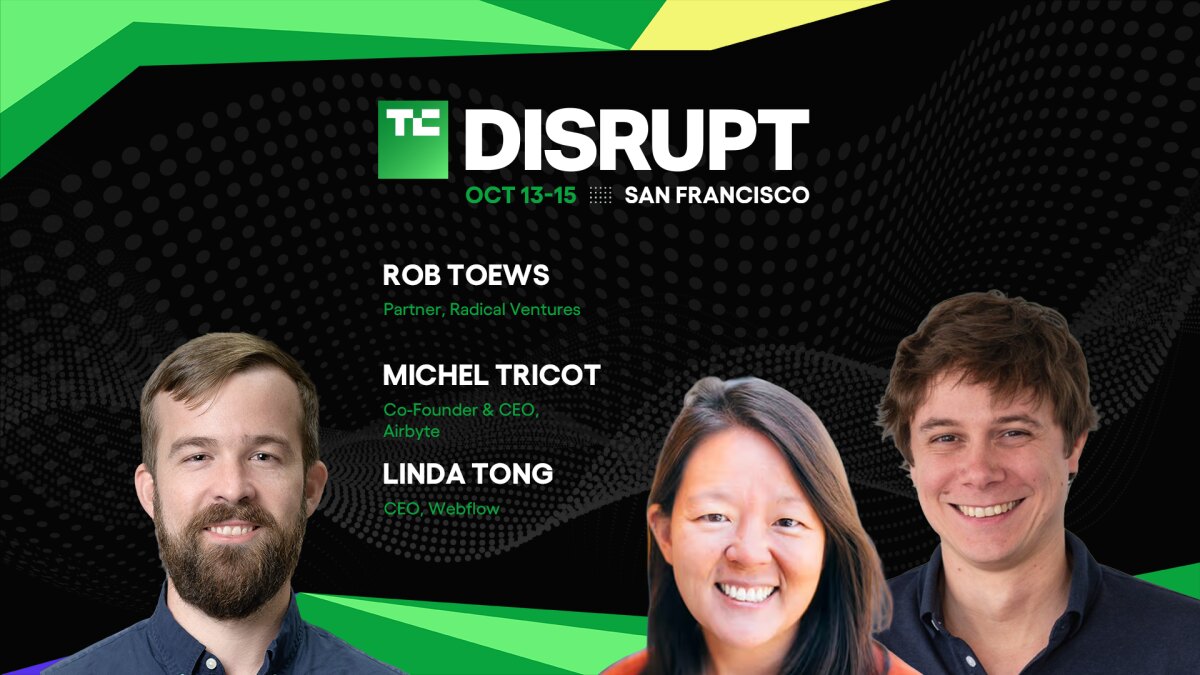
TechCrunch Disrupt 2026 will stage a Builders Stage discussion titled What Happens When OpenAI Ships Your Roadmap? from October 13 to 15 at Moscone West in San Francisco. The session brings together Michel Tricot, co-founder and CEO of Airbyte; Linda Tong, CEO of Webflow; and Rob Toews, partner at Radical Ventures.
Its central question is increasingly pressing for AI founders: what happens when a capability developed as a product differentiator becomes a feature in a new release from a foundation-model provider? TechCrunch frames that risk as a factor reshaping product strategy, fundraising and valuations across the AI ecosystem.
From product differentiation to platform risk
OpenAI, Anthropic and Google are expanding model capabilities at a rapid pace. For companies built on those platforms, the issue is no longer only whether they can build a feature. It is whether they can continue to own a valuable product once the underlying platform offers similar functionality.
The session will examine why the next generation of AI businesses may depend less on having the most capable model and more on assets that are harder for a platform to replace. These include proprietary data, deeply embedded workflows, customer relationships, domain expertise and trust.
That platform dynamic sits alongside the wider industry conversation represented by Anthropic and OpenAI at Disrupt AI Stage, where Anthropic and OpenAI will appear on the AI Stage, as founders assess how model providers influence markets built around their technology.
Three views of durable AI value
Tricot brings experience from Airbyte, an open-source data integration platform with more than 7,000 customers, including 18% of the Fortune 500. His perspective centres on the infrastructure supporting analytics, operations and AI, and on where durable businesses can be built beyond the foundation model.
Tong leads Webflow, a visual development platform navigating major changes in SaaS technology. Her experience at Webflow, Google, Cisco and the NFL is expected to inform the discussion of how software companies can adapt products to AI-driven customer expectations without losing differentiation.
Toews evaluates AI startups at Radical Ventures, focusing on where competitive advantages remain and where a company risks being reduced to a feature. Together, the speakers will address what investors, enterprise buyers and startups value as models evolve.
Business implication
For businesses developing AI products, the practical implication is to test every roadmap item against a simple question: will customers still value the company when the next foundation-model release arrives? Building around workflows, owned data, specific problems and earned trust can help keep the business relevant as platform capabilities change.