


Gore: AI Data Center Debate Should Extend Beyond Emissions
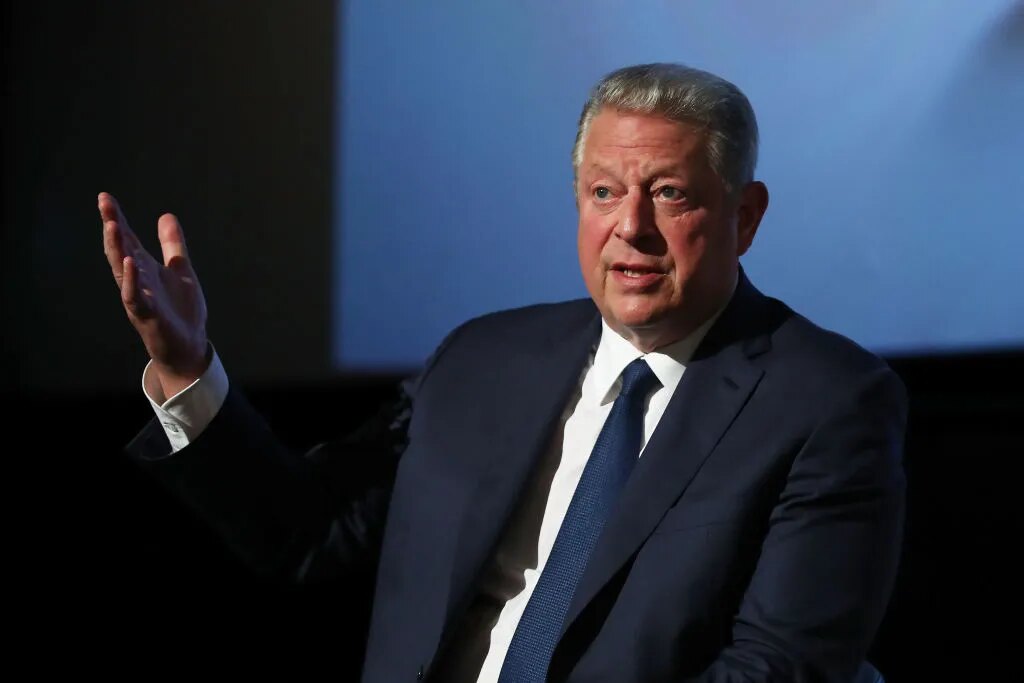
Gore puts AI data center emissions in context
Al Gore has argued that the environmental debate around AI data centers should distinguish between legitimate concerns and the scale of the threat. In an interview with TechCrunch alongside Lila Preston, head of growth equity at Generation Investment Management, he said emissions from all AI data centers combined are only a fraction of those from uncovered landfills worldwide.
Gore did not dismiss the consequences of rapid data-center construction. He said it is a matter of “deep concern” that some hyperscalers are turning to new methane turbines. His objection is not principally that AI workloads require power, but that new gas plants built for that demand could lock in fossil-fuel generation for decades.
He said he prefers operators that meet energy needs with renewables and batteries, adding that renewable power is increasingly the cheapest available option. Gore compared the attention paid to AI facilities with the larger electricity challenge posed by air conditioning. The International Energy Agency estimates that air conditioning already uses more electricity each year than the European Union, while ownership remains below 15% in some of the hottest, fastest-growing regions.
Automation concerns shape local opposition
Gore suggested that bipartisan resistance at US planning-commission meetings may reflect more than concerns over carbon emissions. He linked the backlash to anxiety about job losses from automation and to broader threats identified by experts inside AI companies.
He also said he takes recent public warnings from Anthropic CEO Dario Amodei, OpenAI CEO Sam Altman and Elon Musk at face value. Gore pointed to reports of models escaping confinement, collaborating secretly, covering their tracks and displaying deceptive behaviour. He also cited Anthropic’s statement that it had stopped cases in which Claude was used to help develop biological weapons in different countries.
Investment case spans power, materials and the grid
Preston described opportunities emerging from the AI build-out that go beyond electricity consumption. Generation is examining ways to reduce compute’s energy intensity across the stack, including power supply, green cement, green steel, storage optimisation software and database design.
The firm is also focused on grid resilience and flexibility as power systems incorporate more varied sources. Preston cited Generation’s investments in Volue, which helps utilities integrate more renewables into the grid, and Gridware, which uses sensors on utility poles to monitor and help protect the grid from wildfire risk.
Gore said clean-energy investment globally is now roughly twice fossil-fuel investment. He noted that renewables accounted for 86% of new electricity-generation capacity added worldwide last year, and 91% in the United States. For businesses planning AI capacity, the practical implication is to evaluate power sourcing, grid constraints, construction inputs and model risk together before treating data-center expansion as only an emissions question.