


Amazon Sets $220 Billion 2026 Capex Plan With AWS as Main Focus
Amazon puts AWS at the centre of a major infrastructure buildout
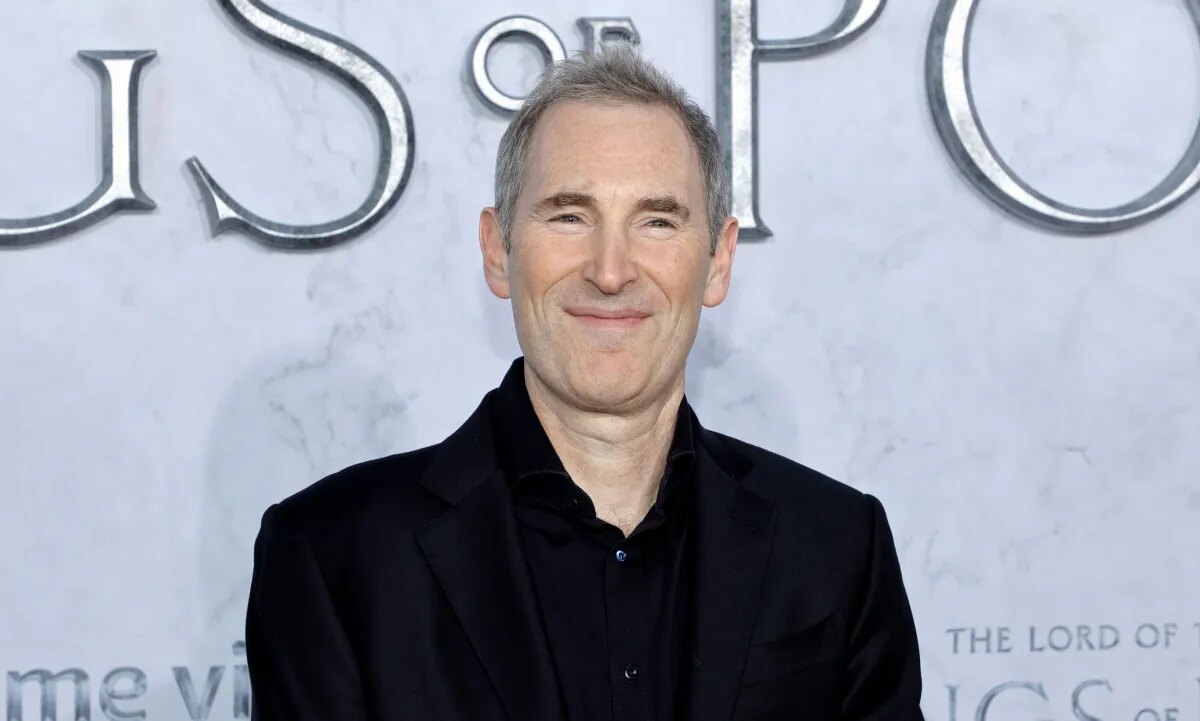
Amazon expects cash capital expenditure of approximately $220 billion in 2026, with the majority allocated to AWS, and plans to spend meaningfully more in 2027. Chief executive Andy Jassy outlined the investment plan during the company’s quarterly earnings call as Amazon pursues a much larger cloud business built around enterprise demand for core workloads and artificial intelligence.
Jassy said AWS is now operating at a $184 billion annualized revenue run rate. Revenue at the cloud division rose 39% from the year-ago quarter, continuing a pattern of steady growth for a sixth consecutive quarter. He said Amazon sees a path for AWS to become a trillion-dollar annual revenue business within five to 10 years.
AI demand is the rationale for higher spending
The company frames the outlay as preparation for a surge in global cloud demand associated with AI. Jassy said enterprises want to run both their core and AI workloads on AWS, while Amazon continues to add capacity and introduce new core and AI functionality.
Amazon expects AWS to grow by more than 40% in both 2027 and 2028, Jassy said. He characterised enterprise adoption of AI as still being in its early stages and described the current moment as a once-in-a-lifetime opportunity that warrants substantial investment in infrastructure.
Wall Street analysts repeatedly pressed Jassy on the scale of spending, the evidence supporting future growth, and expected profit margins. Investor concern remained visible after the call: Amazon shares were down about 6% in after-hours trading on Thursday.
A broader cloud industry investment cycle
The spending is part of a wider pattern among large cloud providers. AI services depend on cloud infrastructure, creating a mixed outcome for the sector: providers are committing large sums to capacity while also reporting strong cloud-related revenue. Microsoft has also reported record revenue growth driven largely by its cloud business alongside heavy investment.
For Amazon, the immediate trade-off is clear. Capital expenditure is being increased before the expected revenue expansion is fully realised, and Jassy said the company has a clear line of sight to financial returns. The practical implication for businesses is that cloud and AI plans should account for expanding provider capacity alongside the cost, margin, and demand assumptions underpinning long-term workloads.