


Amazon Texas Data Center Plan Includes Major Gas-Fired Power Plant
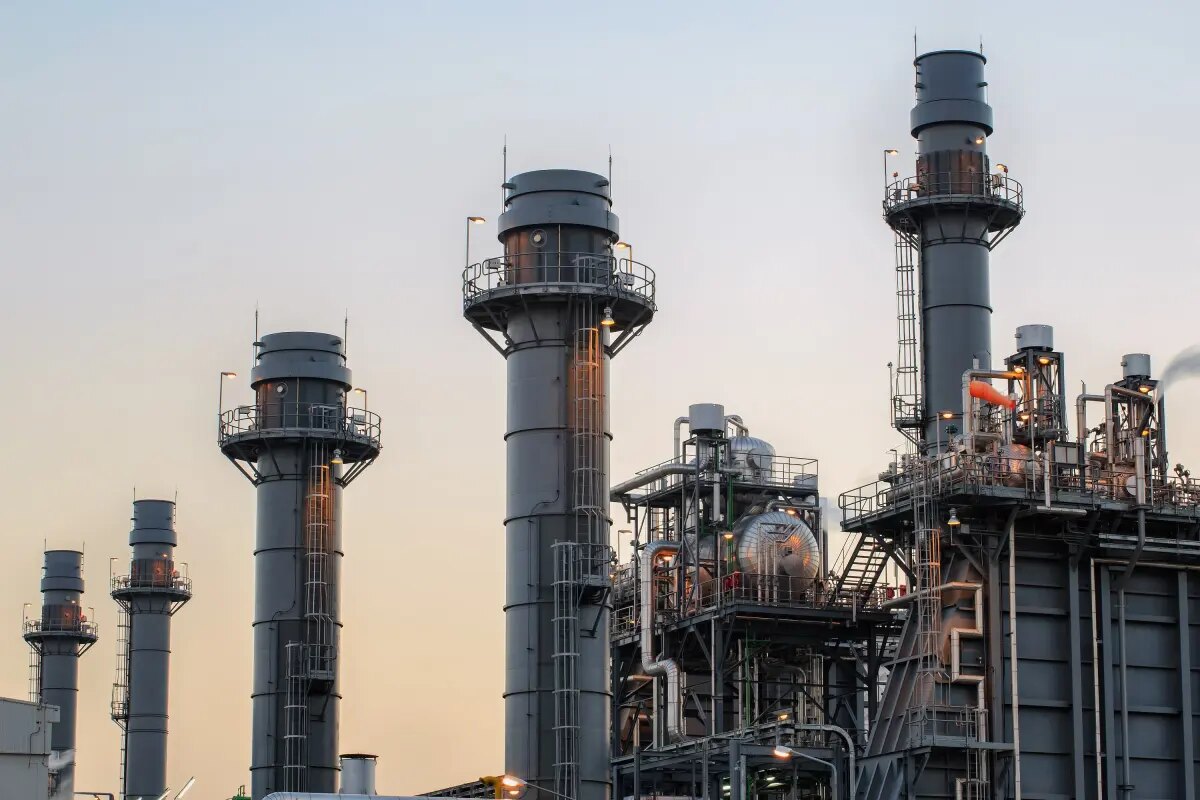
Amazon is planning a data center in Pecos County, Texas, backed by new on-site electricity generation that would burn natural gas. The plant is permitted to release up to 33 million tons of carbon dioxide each year, a level The New York Times reported could make it the largest source of climate pollution among U.S. power plants.
An Amazon spokesperson confirmed that the facility will be powered by new on-site generation and said it would not raise electricity costs for Texas families. The company did not change the central technical fact reported for the project: the proposed generation would be built at the data-center site and fuelled by natural gas.
A large emissions permit alongside data-center expansion
The proposal illustrates how the electricity requirements of large computing facilities are becoming a material infrastructure issue. Data centers are attracting growing political opposition for several reasons, including concerns about their effect on electricity costs. Amazon’s Pecos County plan puts that debate alongside a permit for a very large volume of annual carbon dioxide emissions.
The planned facility also lands while Amazon’s reported emissions are moving in the opposite direction from its stated climate target. The company said its carbon emissions rose 16% last year, despite a pledge to eliminate its carbon emissions by 2040. Amazon attributed part of the broader context to the demands created by AI, whose expansion is increasing the need for energy-intensive computing capacity.
Amazon maintains its climate commitment
Amazon said its commitment has not changed. Its spokesperson stated, “The world looks different now than when we co-founded the climate pledge,” while maintaining that the company remains committed to that pledge. The tension is between that position and an on-site natural-gas project permitted at a scale that could place it above any other U.S. power plant for carbon dioxide releases.
The energy constraint behind AI infrastructure has become a central issue as operators seek enough generation to support expanding workloads. In the broader debate over whether AI growth is running into power-system limits, AI energy constraints and infrastructure debate highlights the same pressure on electricity supply and the need to consider how new capacity is built.
What businesses should assess
For businesses buying cloud capacity, building AI services, or developing data-center projects, electricity procurement is no longer a background facilities matter. Plans for dedicated generation can address capacity and cost concerns, but the fuel source, permitted emissions, and local electricity implications should be assessed alongside computing demand. The practical implication is to make power availability and emissions exposure part of infrastructure planning from the start.