


California law adds emergency-response duties for robotaxi operators
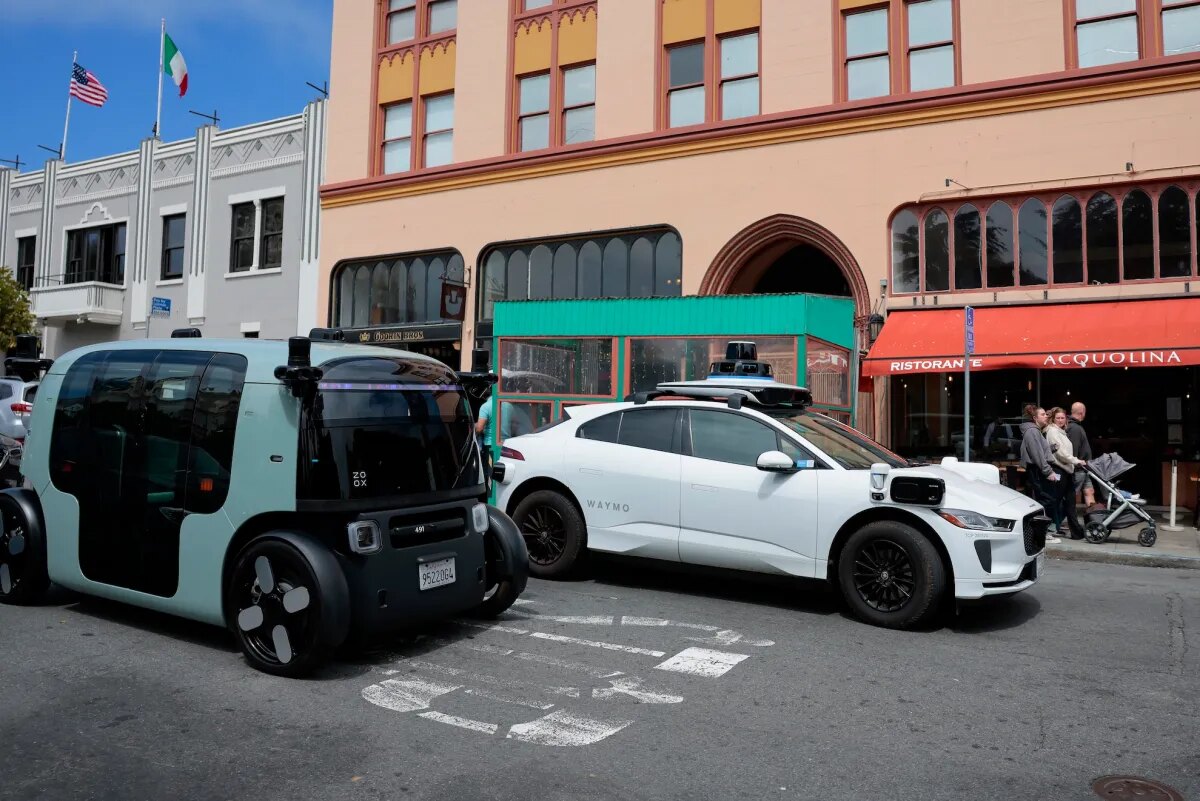
California Governor Gavin Newsom has signed Senate Bill 1246, establishing new obligations for autonomous-vehicle developers when robotaxis become disabled, obstruct traffic or interfere with emergency responders. The measure affects companies such as Tesla, Waymo and Zoox, and it can expose operators to penalties if an autonomous vehicle blocks police or firefighters for more than 30 minutes.
The law is intended to address disruptions reported during the early deployment of robotaxis, including vehicles impeding traffic, entering crime scenes and requiring first responders to move them. It is scheduled to take effect in July 2028, while the California Department of Motor Vehicles, the state’s principal autonomous-vehicle regulator, works through remaining implementation details.
Local support becomes a regulatory requirement
Under SB 1246, autonomous-vehicle technology companies must provide first responders with local, on-the-ground support when their robotaxis cause problems. They must also supply local incident technicians who can help with accidents and obstructions, making physical response capacity part of the operating model rather than an informal contingency.
During a system-wide failure, developers must notify cities, towns and other local jurisdictions about the location and status of their vehicles. This requirement is designed to give public agencies information needed to manage an incident when multiple vehicles may be affected at once.
The rules also limit remote-driving work: AV developers may employ only remote drivers located in the United States, and those drivers must hold a U.S. driver’s licence. The provision adds a defined staffing condition to remote assistance arrangements used in autonomous operations.
Accountability alongside continued deployment
California’s approach follows recurring questions about how robotaxi fleets interact with police, firefighters and other responders. The evolving regulatory backdrop reflected in California’s evolving robotaxi regulatory framework now leads to requirements that connect vehicle operation with local emergency support and possible enforcement.
The law does not guarantee that autonomous vehicles will never obstruct an emergency response. Its practical focus is on reducing disruption and creating clearer accountability when an incident occurs, including a 30-minute threshold for vehicles that block police or firefighters.
What operators and customers should prepare for
For AV companies, compliance will extend beyond driving software and remote monitoring. Fleet plans will need local technicians, procedures for rapid coordination with responders, reliable location and vehicle-status reporting, and remote-driver arrangements that meet the new U.S. location and licensing rules.
Businesses assessing robotaxi services should therefore examine incident-response coverage alongside vehicle capability and service availability. In California, the ability to support public agencies quickly and document system-wide failures will become a concrete part of autonomous-vehicle deployment planning.