


Castelion secures $1 billion to expand hypersonic missile production
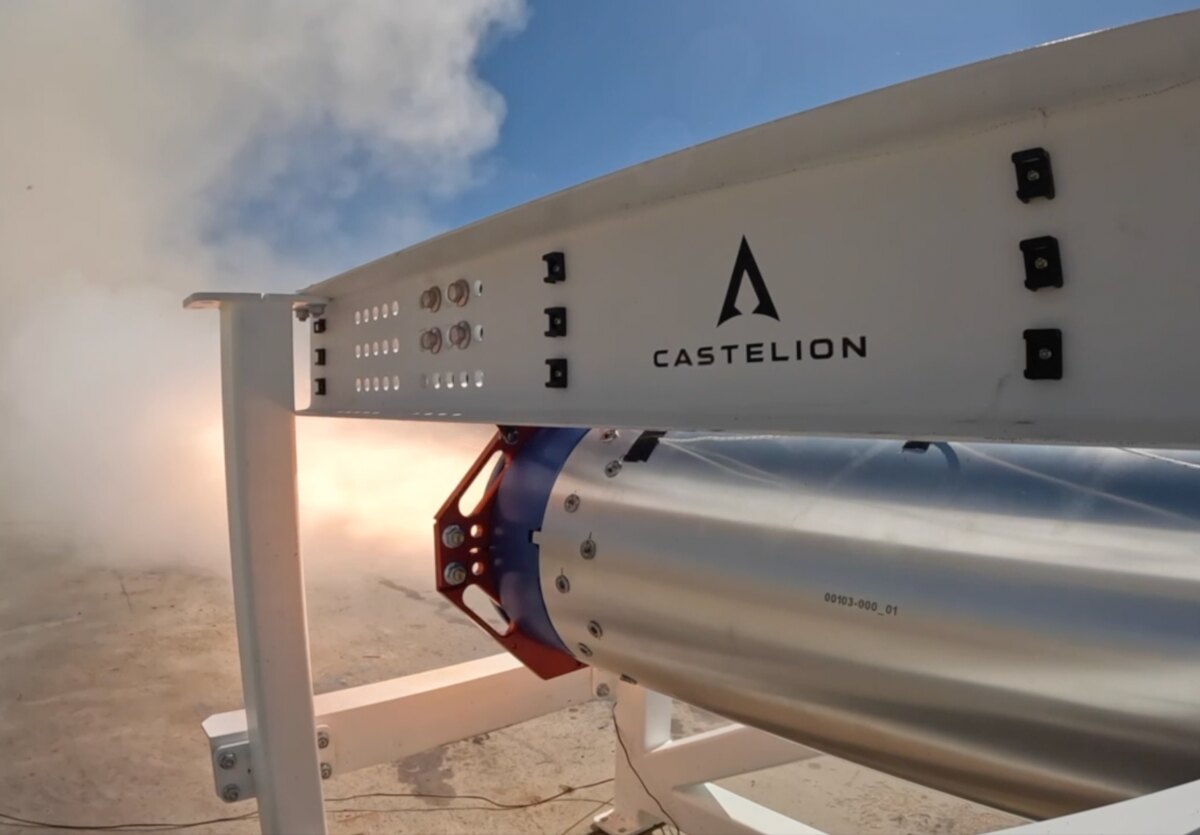
Castelion, a Torrance, California-based missile startup founded by former SpaceX executives, has raised a $1 billion Series C at a $13 billion valuation. The company will use the capital to manufacture its Blackbeard missiles and other hypersonic weapons at its production facility in New Mexico.
The financing was co-led by Andreessen Horowitz, Carlyle and JP Morgan Chase. It comprises $800 million in equity and a $250 million revolving credit facility, with existing backers Lightspeed, General Catalyst and Altimeter also participating.
Capital for faster hypersonic manufacturing
Founded in 2022, Castelion was established to build hypersonic weapon systems at lower cost and at faster speeds than traditional defense prime contractors. It has since secured more than $500 million in U.S. military contracts.
Hypersonic missiles are capable of travelling at speeds above Mach 5. The new round arrives as the Pentagon seeks to procure more of these weapons, while the U.S. stockpile has not kept pace with China’s. Castelion is betting that a faster manufacturing process can help address that gap.
Its Blackbeard missile is named after the English pirate. The company has identified its New Mexico site as the location for production supported by the latest financing, linking the fundraising directly to the task of scaling output rather than solely to research and development.
A widening focus on defense production
The transaction places Castelion among a group of well-funded companies targeting defense industrial capacity. The funding follows Mach Industries Series C defense funding and illustrates how investors are backing companies seeking to change the economics and pace of weapons production.
For procurement organizations and industrial suppliers, the practical implication is clear: evaluating defense technology increasingly requires attention to whether a supplier can finance, build and operate production capacity at scale. Castelion’s round provides capital for that manufacturing test, while its contract base shows that U.S. military demand is already part of its business.