


Cerebras CEO forecasts locally run AI assistants for homes
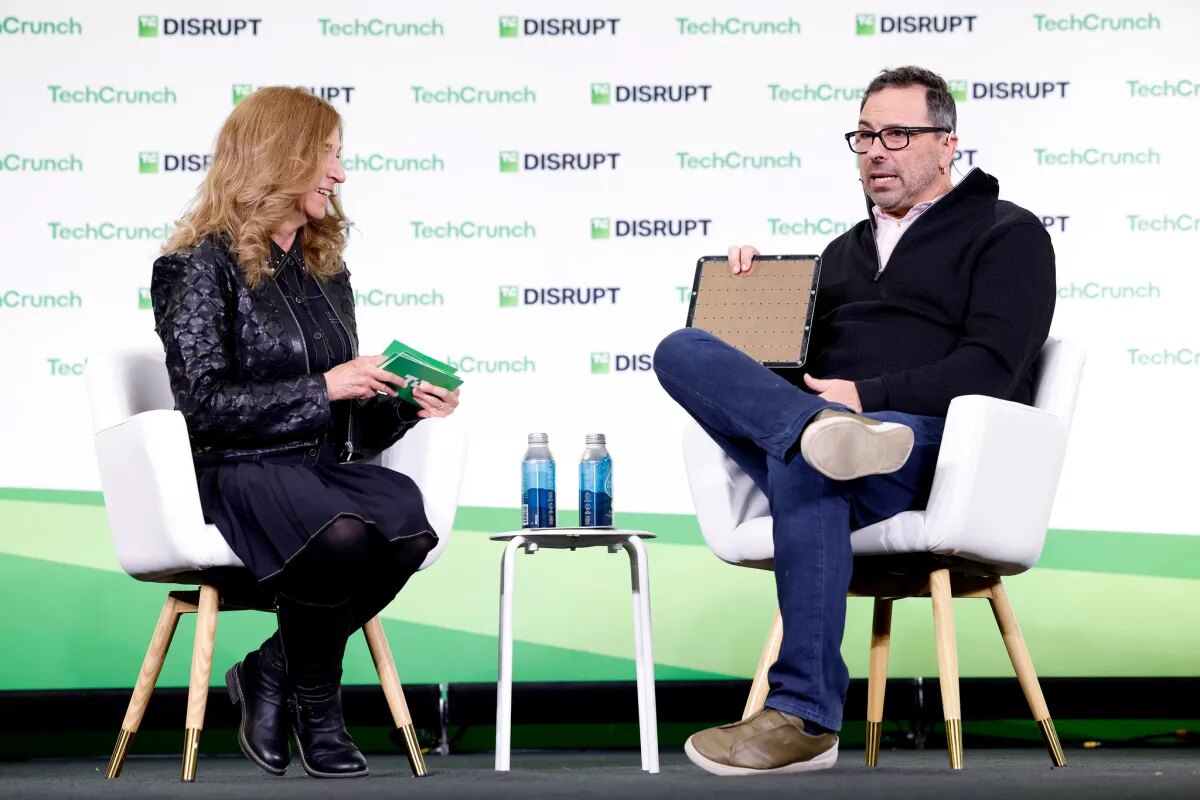
Cerebras Systems co-founder and CEO Andrew Feldman said personal AI assistants running locally in people’s homes may be closer than many expect. Speaking at TechCrunch Disrupt 2026, Feldman described a future in which consumer assistants handle work both on a device and through cloud services.
Feldman said he does not believe the transition to AI as a home appliance is far away. He pointed to consumer AI agents, including Meta’s Muse and Instinct, a startup valued at $10 billion, as signs that AI is beginning to find a role with everyday users.
A hybrid model for personal assistants
Feldman’s vision is not for a wholly disconnected household device. Like a mobile phone, he said, a personal assistant would complete some work locally while sending other work back to the cloud. In his description, the assistant would get to know its user closely while operating within a defined security perimeter.
He also said such systems would have access to credit cards and could buy things for their users. Feldman expects these assistants to make a meaningful difference to daily life, although he did not set a timetable or identify the products that would bring the model to market.
Infrastructure meets consumer adoption
The prediction aligns with Cerebras’ position as an AI chipmaker and provider of infrastructure for AI workloads. Its scale-up work is illustrated by Cerebras AI systems supply agreement with OpenAI for OpenAI systems through 2028, while Feldman framed his own role as building platforms on which other companies can create consumer-facing products.
Feldman said he already uses a collection of agents to review his calendar and retrieve information about people he is about to call. He emphasized that the more compelling opportunity lies beyond automating existing manual tasks: in new capabilities that have not previously been possible.
Questions for companies deploying agents
For businesses, the remarks underline that consumer agent design may combine local computation, cloud connectivity, personal context and purchasing authority. Each element carries operational implications, particularly where user knowledge, security boundaries and payment access meet.
Companies building agent-based services can treat the local-cloud split and delegated access as core product decisions, not merely implementation details, when assessing how personal assistants could operate in everyday settings.