


CivilGrid secures $26 million to map underground infrastructure
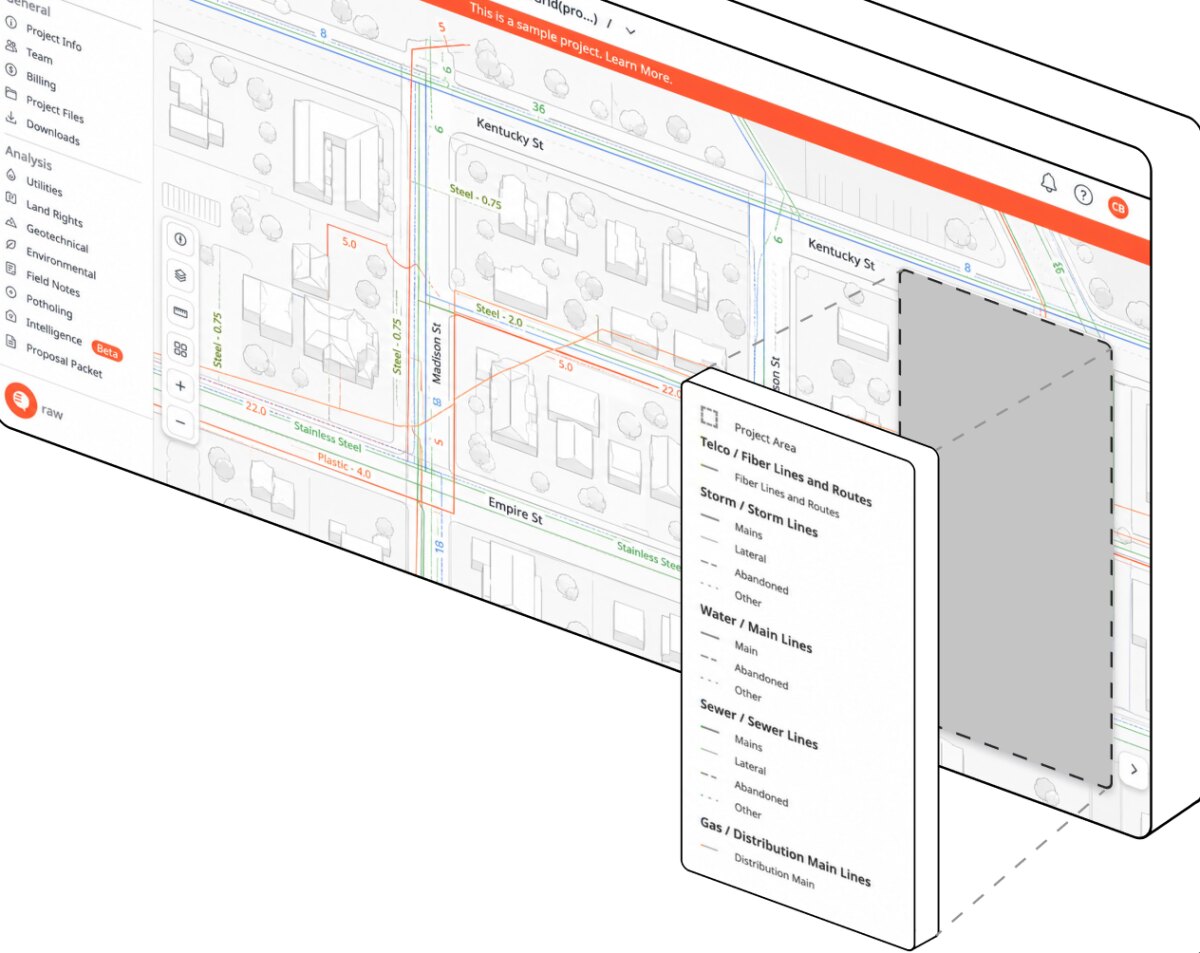
CivilGrid, a startup founded in 2020 by former Pacific Gas and Electric engineer Josh Mackanic, has raised a $26 million Series A to expand its platform for underground infrastructure data. The round was led by Spark Capital, with participation from Afore, A*, Ford Street Ventures, SNR and Energy Impact Partners.
The company brings together data on utility assets, property ownership and environmental regulations, then sells access to governments, civil engineering firms and utilities, including PG&E. Mackanic describes the product as “Google Maps for what’s underground,” designed to help engineers understand constraints before they decide where infrastructure should be placed.
A fragmented view beneath construction sites
Mackanic spent 10 years as an engineer at PG&E, where an excavation project was stopped after workers spotted an unidentified pipe. Identifying its owner, determining whether it could be tapped and establishing what it carried took three days, he said, creating a delay that cost $60,000.
Utilities generally have visibility into the electric and gas lines they own and operate, but sewage and water infrastructure may be owned by other organisations. The associated location information is fragmented as well. Mackanic cited roughly 200,000 utility strikes each year as a consequence of this lack of shared visibility.
CivilGrid’s challenge is therefore not only to identify relevant records, but also to collect, sort and secure them while developing relationships with organisations that use and pay for the data. Mackanic said existing awareness of the problem within utilities had not been enough to solve it from inside those organisations, which operate relatively leanly.
PG&E identifies potential paving savings
PG&E has already used CivilGrid in a case study covering 1,600 planned gas distribution projects. The utility identified $60 million in avoidable paving costs through the platform. Christine Cowsert, PG&E’s senior vice president of enterprise business and technology modernization, said such tools can help teams identify risks earlier, build more efficiently and avoid unnecessary costs while keeping safety central.
The funding is intended to help CivilGrid add customers and broaden its work on obstacles that complicate US infrastructure delivery. Mackanic said the current product provides engineers with data for location decisions, while future capabilities could recommend where a pipe should go and identify the permits required to move into construction.
He also envisages a workflow in which CivilGrid could file those permits after engineers make their choices. Those ambitions depend on the dataset and on capturing users at the early stage of decisions about what will be built.
What infrastructure teams can take from the funding
For utilities, public agencies and engineering firms, the immediate business implication is to bring cross-owner underground, property and regulatory information into planning before excavation or route selection begins. Earlier visibility can expose conflicts and costs while there is still time to alter a project plan.