


DetectifAI develops on-device detection for deepfake voices
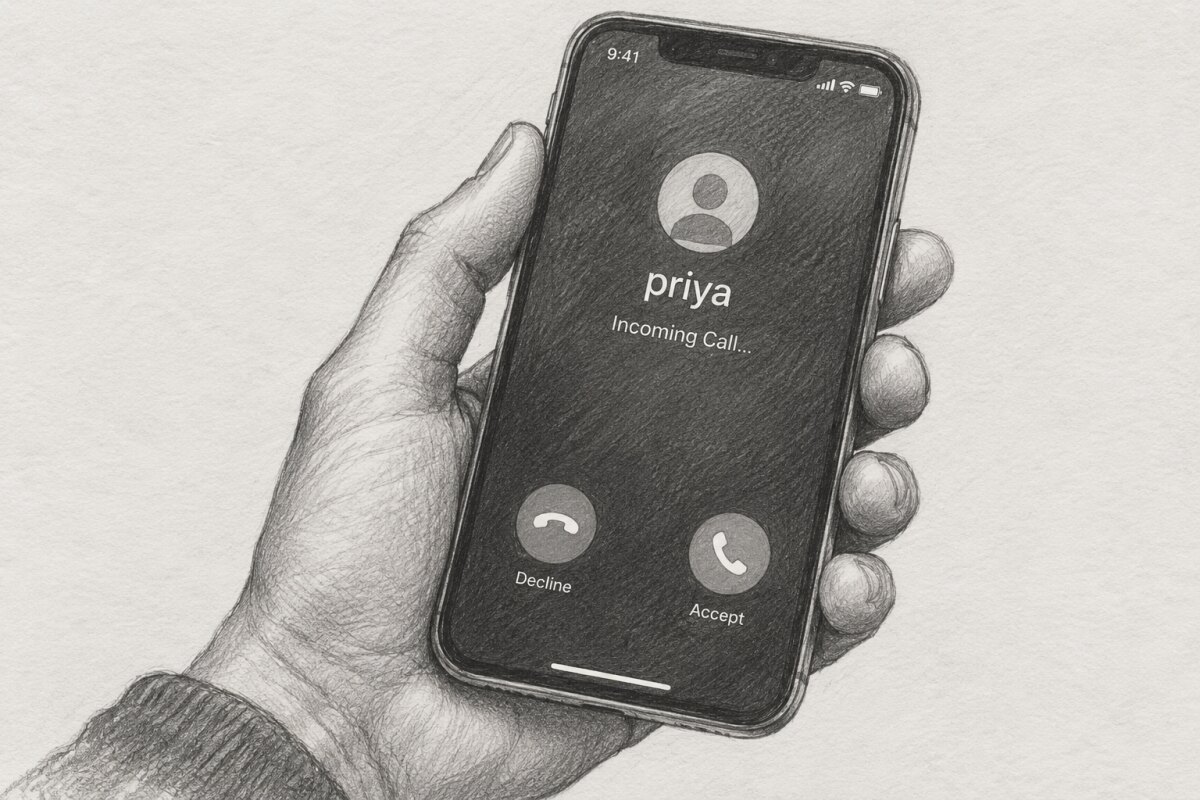
San Francisco startup DetectifAI is developing software intended to identify AI-generated voices directly on smartphones, without sending audio to remote cloud servers. Founder Tarini Padmanabhuni says the company’s approach was shaped by a deepfake ransom call that convinced her grandfather he was speaking to his brother.
In the incident, the caller claimed that Padmanabhuni’s great-uncle had been kidnapped and demanded payment. Her grandfather paid the ransom before discovering that his brother was safe and unaware of the call. The imitation voice had been generated with AI, leaving the targeted listener with no clear way to distinguish it from a real relative.
Compact models designed for phones
DetectifAI says it designs compact AI models from the outset so they can operate inside a smartphone operating system. The intended result is an immediate assessment of whether a voice is AI-generated during live calls, voice messages and other audio, while the audio remains on the device.
Padmanabhuni contrasts that design with detection products that operate in the cloud. She argues that remote processing makes it harder for phone makers to ship protection as a native device function. The company is initially targeting handset manufacturers, licensing software tools that they can integrate into operating systems.
The central product is a software development kit, or SDK, that other companies can build into their products and license through existing channels. DetectifAI also plans to license the technology to businesses and fraud-prevention firms as a secondary revenue stream.
Fraud pressure and early deployment
The FBI says Americans lost close to $900 million to AI-driven scams last year, a 24% increase from 2024. It also reported that people aged 60 and older lost twice as much as people aged 50 to 59, underlining the stakes for voice-based impersonation fraud.
DetectifAI says it already has early revenue and processes more than 100,000 calls per month for financial institutions in India. Those calls use AI voice agents for debt collection and loan-document follow-ups, with deepfake detection and speaker verification applied to every call. Padmanabhuni did not identify the customers because of confidentiality agreements.
The company faces established and emerging providers in voice deepfake detection, including Reality Defender, Pindrop, Resemble AI, Microsoft Azure AI Content Safety and Nuance. DetectifAI has raised a small seed amount from Josh Constine and Manohar Kamath, and is among the startups selected to compete in TechCrunch Startup Battlefield at TechCrunch Disrupt, scheduled for October 13 to 15 in San Francisco.
What organizations should consider
For businesses using voice channels, the company’s model illustrates a practical issue: detection and speaker verification may need to operate where calls and audio are handled, rather than only after recordings are transferred elsewhere. Organizations deploying AI voice agents or serving customers by phone can assess whether their existing controls verify both the audio’s origin and the caller’s claimed identity.