


Dream secures $17M for AI building design world models
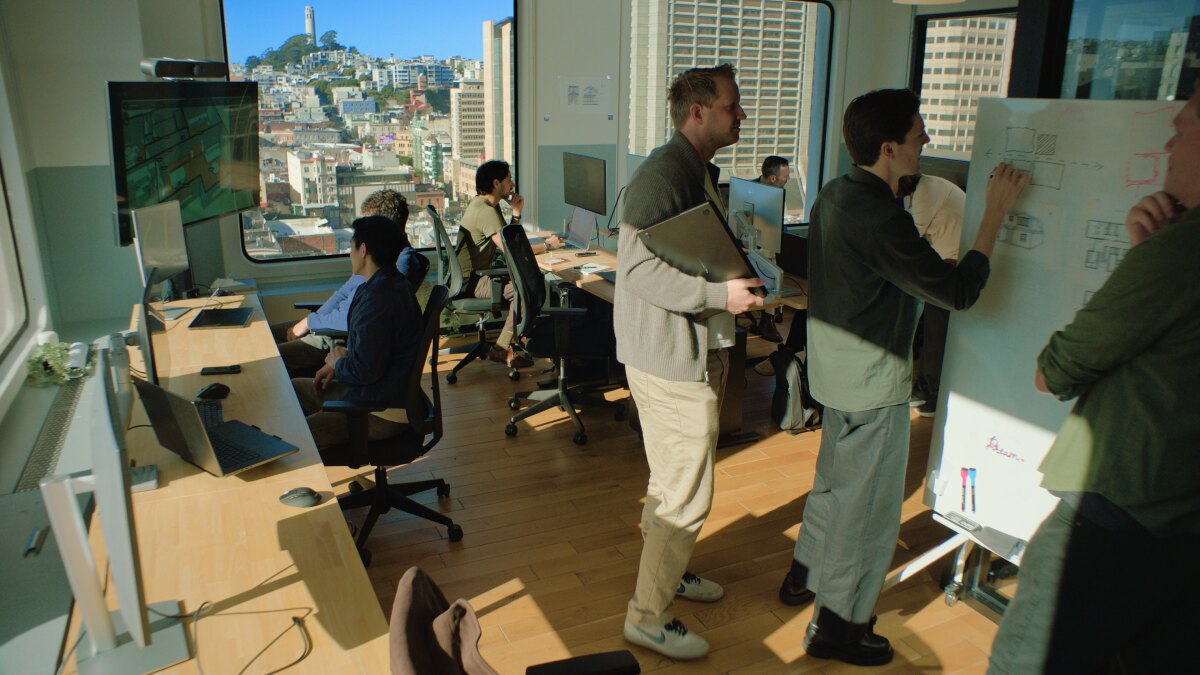
Dream, a startup founded by former Palantir executives Andy Alder and Arjun Mather, has emerged from stealth with a $17 million seed round led by Andreessen Horowitz. SV Angel, XYZ and Zigg Capital also backed the company, which is developing AI world models for building design and engineering.
Alder and Mather studied computer science at Stanford before each spending about a decade at Palantir. Alder led product design for an 800-person team building software for US defense and intelligence agencies, while Mather was a senior vice president in Palantir's commercial practice.
From drawing tools to structural cognition
Dream is targeting architecture, engineering and construction workflows that the founders describe as dependent on older software. They point to Autodesk's AutoCAD and Revit as examples of tools in which architects and structural engineers still draw designs piece by piece.
The company’s alternative is a world model intended to generate building designs with structural precision. Dream calls the approach structural cognition: the model is meant to account not only for a building’s visible form, but also for internal components including plumbing and HVAC.
That distinction matters because a general-purpose large language model can generate an image of a building without establishing whether the structure can stand. Dream says its model is grounded in real physics and construction standards, with an understanding of materials, beams and the loads they can support.
Training data and early deployments
Dream says its world model has been trained on more than 100 million square feet of building data collected from permit archives across the United States. The founders say this data enables the system to model what is inside building walls, rather than producing only a visual concept.
The startup has begun selling the product to AEC professionals and developers. Its users employ the model to conceptualize building designs and estimate overall costs, and Dream says the platform is deployed across 10 active projects in Texas and California.
Dream enters a group of startups seeking to modernise AEC software with AI, including Motif, Snaptrude and Arcol. Alder and Mather say Dream is the only company in this group to have developed a world model that can instantly design whole buildings. Kimberly Tan, a partner at Andreessen Horowitz, said the firm first invested more than a year ago when the model was still an idea and highlighted the company’s use of its own models.
What construction teams should assess
For construction and development businesses, Dream’s early deployments make the relevant test practical: whether AI-generated concepts and cost estimates can support existing design, engineering and approval processes while retaining the structural details those processes require.