


eMudhra plans global TLS exit after weak CA keys are disclosed
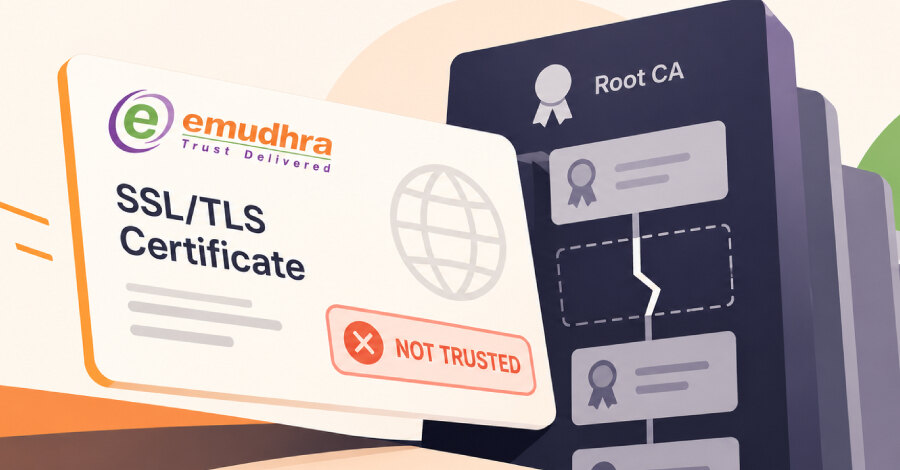
Indian certificate authority eMudhra says it will withdraw from the global SSL/TLS certificate business after a researcher recovered the private keys for eight intermediate certificate authorities. Each key was below 256 rather than a huge random number, meaning it could be derived almost immediately. Six of the eight intermediates were intended for website TLS certificates.
Chrome is expected to stop trusting the emSign ECC Root CA - G3 hierarchy on the morning of October 27, Pacific time. Mozilla decided on October 20 to remove trust in the same root in Firefox. eMudhra has not announced an exit date or identified the partners that will provide replacement certificates.
Thousands of certificates require migration
Chrome counted about 30,800 unexpired certificates chaining to the affected root in public Certificate Transparency logs on October 21. About 99.9% were issued through InCommon, the certificate service created by Internet2 for higher education. InCommon moved its service to eMudhra's CertiNext platform between April and July.
Google has told operators using certificates under the affected root to immediately acquire and install a new TLS certificate from another public-key infrastructure hierarchy included in the Chrome Root Store. Removing trust in a root also prevents browsers from accepting legitimate certificates issued below it.
eMudhra estimates that roughly 30,000 certificates must move, with about 97% issued through ACME. However, Chrome warned that standard ACME clients do not replace certificates outside their normal renewal window unless they support ACME Renewal Information, or an administrator intervenes. Moving from the ECC hierarchy to an RSA hierarchy can also require client configuration changes.
G1 remains under review
eMudhra said its G1 RSA roots will continue serving customers during the transition, although Chrome is still deciding whether the company's remaining CA certificates will stay in its root store. Mozilla said it was not yet removing trust from emSign Root CA - G1. Cornell has advised holders to request RSA certificates because they use the unaffected root, while the University of Michigan noted that the RSA root could also be distrusted and identified Let's Encrypt as its main current alternative.
The researcher reported the weak keys to Apple, Google, Microsoft, Mozilla and eMudhra on October 17. Chrome and Firefox blocked the six TLS intermediates within hours. Google said no website certificate from those intermediates appeared in CT logs before Chrome's block, so they could not have been used against Chrome or other software requiring CT logging. eMudhra says it never used the eight intermediates to issue website or user certificates and that its systems were not breached.
Questions over revocation-list signing
Scrutiny has also focused on a certificate revocation list published on October 14 for emSign Root TLS CA - G1. The list's signature did not verify against that CA's own key, the reporting researcher said in Mozilla's public bug report. Another participant said it appeared to have been signed with an eMudhra OCSP certificate key, suggesting use of the wrong signing key rather than another weak key.
Chrome asked which key signed the list, whether eMudhra has multiple key pairs for that CA or any roots, and how customers will migrate before the planned October 27 removal. It also cited eMudhra's 2025 invalid CRLs for six of the same intermediates, saying later disclosures raised serious concerns about transparency and incident handling.
Global SSL/TLS brings eMudhra about 1% of revenue, the company said, while data-sovereignty and compliance requirements add cost and large providers offer certificates free. eMudhra will keep revocation and status services running until every certificate it issued has expired or been replaced; its digital signature certificates, eSign service and CertiNext platform will continue. Businesses should identify certificates chaining to the ECC root, replace them with a trusted alternative, and verify renewal automation rather than waiting for its usual schedule.