


FAA halts U.S. flight departures amid equipment outage
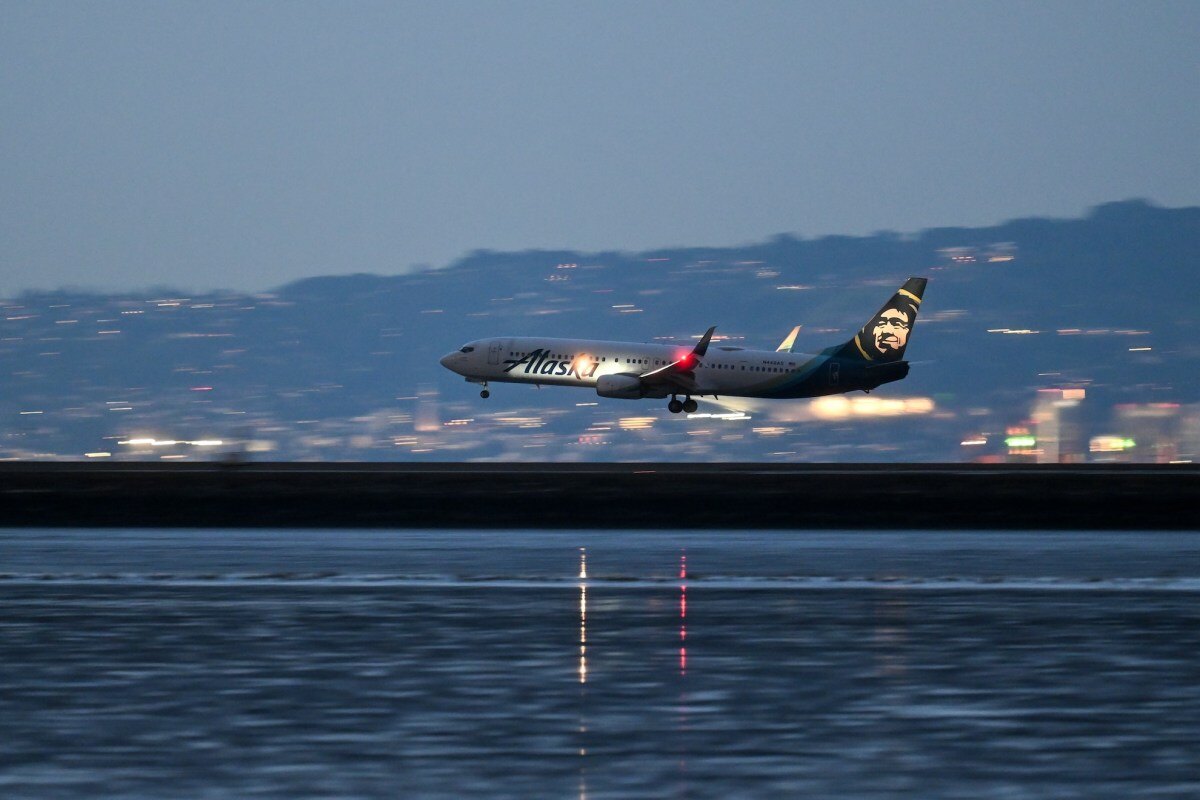
FAA orders nationwide ground stop
The Federal Aviation Administration grounded all departing flights across the United States on Friday, citing “extraordinary circumstances” and safety concerns linked to an equipment outage. The order prevented aircraft from leaving their departure gates until further notice.
An alert from the Air Traffic Control System Command Center, known as ATCSCC, stated that all departing flights were required to remain on the ground. The FAA did not specify what had caused the outage at the time of publication.
Inbound international flights were not subject to a single blanket instruction. Instead, the alert said they would be managed on a case-by-case basis, indicating that authorities were assessing arrivals individually while the disruption continued.
Technical issue under investigation
The FAA website identified the cause as an “equipment outage.” Its own site was briefly unavailable around the same time and displayed a notice saying it was experiencing technical difficulties. The ATCSCC alert cited in the report was no longer visible on that organisation’s website at press time.
Transportation Secretary Sean Duffy said on X that FAA technicians were investigating the issue. A Federal Aviation Administration spokesperson did not immediately respond to a request for comment, leaving the origin and scope of the equipment problem unclear.
The incident occurred in the same week that the administration introduced an AI-powered tool intended to help air traffic controllers reduce aircraft flight time and fuel costs. The report did not establish any connection between that tool and the equipment outage.
Operational impact for organisations
A nationwide ground stop can immediately affect business travel, time-sensitive cargo, airport operations and commitments that depend on scheduled air transport. The distinction between halted departures and case-by-case management of international arrivals also means disruption may vary across routes and carriers.
For organisations with critical travel or freight dependencies, the practical implication is to monitor carrier and airport updates, communicate likely delays to affected customers and staff, and maintain workable alternatives for commitments that cannot wait for flights to resume.