


Google Opens Pre-Orders for $899 Gemini-Focused Googlebook Laptops
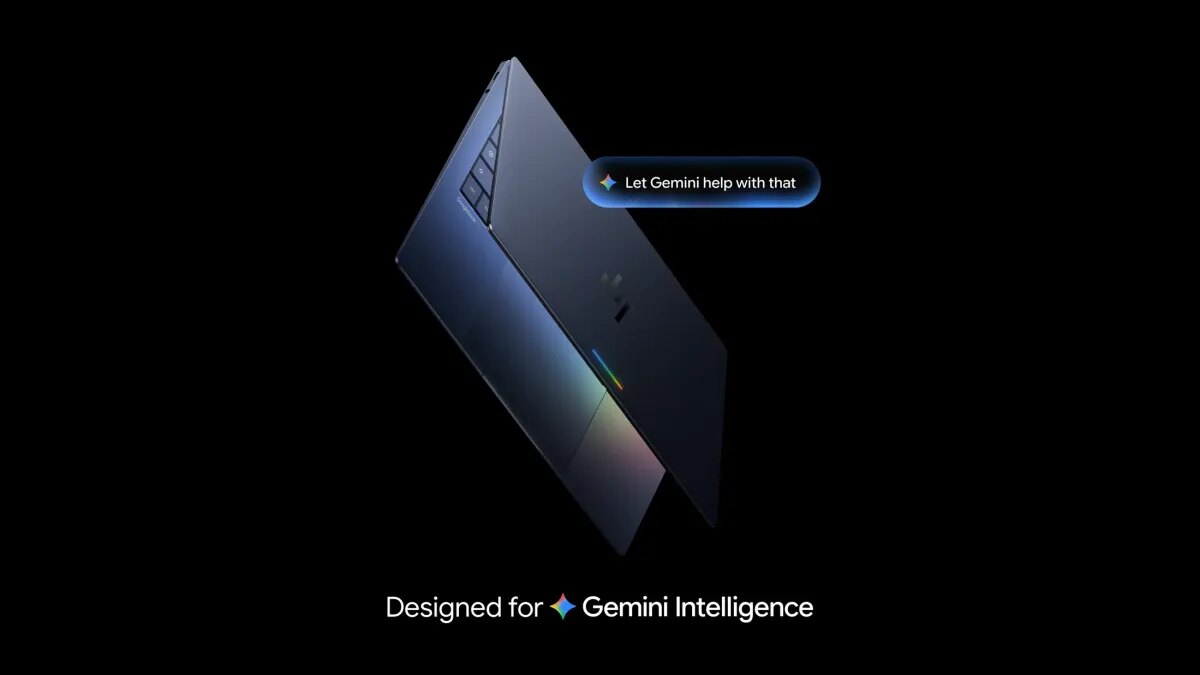
Google has opened pre-orders for Googlebook, its new AI-focused laptop range, starting at $899. The devices run Android OS with a desktop version of Chrome and familiar ChromeOS elements, and are designed to put Gemini features at the centre of the laptop experience. Google says the first units will reach US stores on October 4, followed on October 5 by launches in Canada, the UK, Ireland, France, Germany and Australia.
Each $899 Googlebook includes 12 months of Google AI Pro. The subscription package provides 5TB of cloud storage, Gemini Advanced tools, and three months of YouTube Premium, Adobe Photoshop and other offers. Google says the laptops will receive regular software updates for up to 10 years.
Gemini becomes part of the desktop interface
Googlebook is positioned as a step beyond a conventional Chromebook rather than simply a notebook with an AI application installed. Its principal interface addition is Magic Cursor, an AI-enabled pointer that can send selected or highlighted material to Gemini. Google has suggested uses including analysing webpage content, checking whether a hovered email appears suspicious, and combining selected images into a visualisation.
The approach resembles Android's Circle to Search, which uses gestures such as circling, highlighting and tapping to send content to Google Search and its AI features. On Googlebook, the cursor is intended to extend that interaction model to desktop work.
Another feature, Rambler, is aimed at voice input. It converts rough, rambling dictated thoughts into more readable text. The range also includes Gemini Spark, Gemini Live and tools for creating vibe-coded widgets. Those features reinforce Google's attempt to make Gemini a visible layer of the operating experience rather than a service accessed only through a browser tab.
Hardware range and education opportunity
The launch follows Googlebook AI laptop range, which set out Google's plan for AI laptops across the Googlebook range. Flagship systems are being built by Acer, ASUS, Dell, HP and Lenovo. Google lists materials including aluminium, magnesium alloy and carbon fibre, along with displays of up to 2.8K OLED resolution, haptic glass trackpads and backlit keyboards.
Googlebook models will use Intel or Qualcomm processors paired with dedicated NPUs, and Google quotes battery life of up to 14 hours. The company has also said existing Chromebooks will remain supported, with many becoming eligible to move to the Googlebook experience over time.
That transition matters because Google says roughly 50 million Chromebooks are used by students and educators in schools. For organisations assessing endpoint refreshes, the practical question is whether the bundled Gemini services, local AI hardware and long update commitment justify buying new devices instead of continuing to use AI through existing browsers and desktop applications.