


India removes Bitchat from app stores after government order
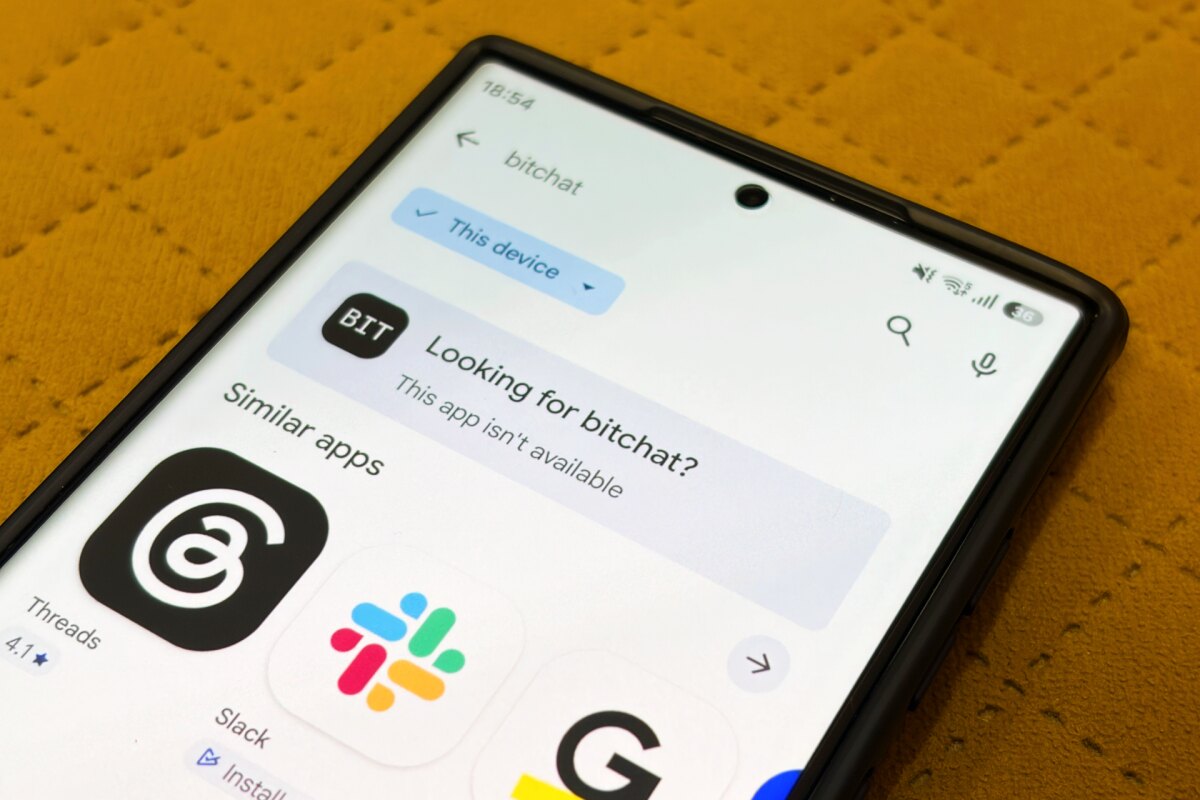
Jack Dorsey’s decentralized messaging app Bitchat has disappeared from Apple’s App Store and Google Play in India after the Indian government moved to restrict access to the software. Apple told Dorsey that the Ministry of Electronics and Information Technology issued its order under Section 69A of the Information Technology Act; Bitchat remains available through Apple’s App Store outside India.
Apple’s notice also said that access through TestFlight, its beta-testing service, would be blocked in India. When TechCrunch checked on Saturday, Bitchat was no longer downloadable from Google Play in the country, while the app’s website was inaccessible through various internet service providers. It was not immediately clear whether Google and those providers had received federal directions. Apple, Google and the IT ministry did not respond to requests for comment.
Offline messaging architecture is at the centre of the dispute
Launched in July last year, Bitchat is open-source software built to let nearby devices exchange encrypted messages through Bluetooth mesh networking. It does not rely on cellular connectivity, internet access or centralized servers. Those characteristics can allow the app to continue operating when conventional network services are unavailable.
Indian authorities had already sought action against Bitchat’s code. In July 2026, Dorsey said GitHub had been ordered to take down repositories associated with the app. The government said then that Bitchat’s architecture made interception and user tracing difficult for law enforcement agencies, and cited its ability to operate during internet shutdowns. The legal question raised by that action remains central because India's open-source Bitchat removal dispute examines the dispute over restricting open-source software based on how it functions.
Different legal provisions, unresolved transparency questions
The earlier GitHub order relied on a provision of India’s information technology law concerning intermediaries and liability for third-party content. Apple’s latest notice instead cited Section 69A, the principal provision used for government-directed online blocking. The change in legal mechanism is significant because the two actions address different parts of the country’s technology regulation framework.
The Internet Freedom Foundation, a New Delhi digital-rights advocacy group, called the latest order unconstitutional. It argued that Section 69A permits blocks on unlawful information, not on a messaging app because it can function during internet shutdowns. The organization also said neither the blocking order nor the allegedly illegal content used to justify it had been made public.
Restrictions arrive amid protests and network suspensions
The removal comes during a fresh round of youth-led protests over changes to India’s voter rolls. Police detained several people at demonstrations in New Delhi on Saturday, and authorities suspended internet services around Jantar Mantar for 12 hours on Friday. During protests in July, demonstrators reportedly used Bitchat and rival app Briar after internet services were suspended.
Sensor Tower data showed India accounted for about 85% of Bitchat’s global downloads between July 17 and July 23, compared with roughly 1% in the preceding 30 days. For businesses, the case is a practical reason to assess whether critical communications depend on app-store distribution, internet availability or tools that may be restricted under changing legal orders.