


Max Hodak to Present Brain-Computer Interface Vision at Disrupt 2026
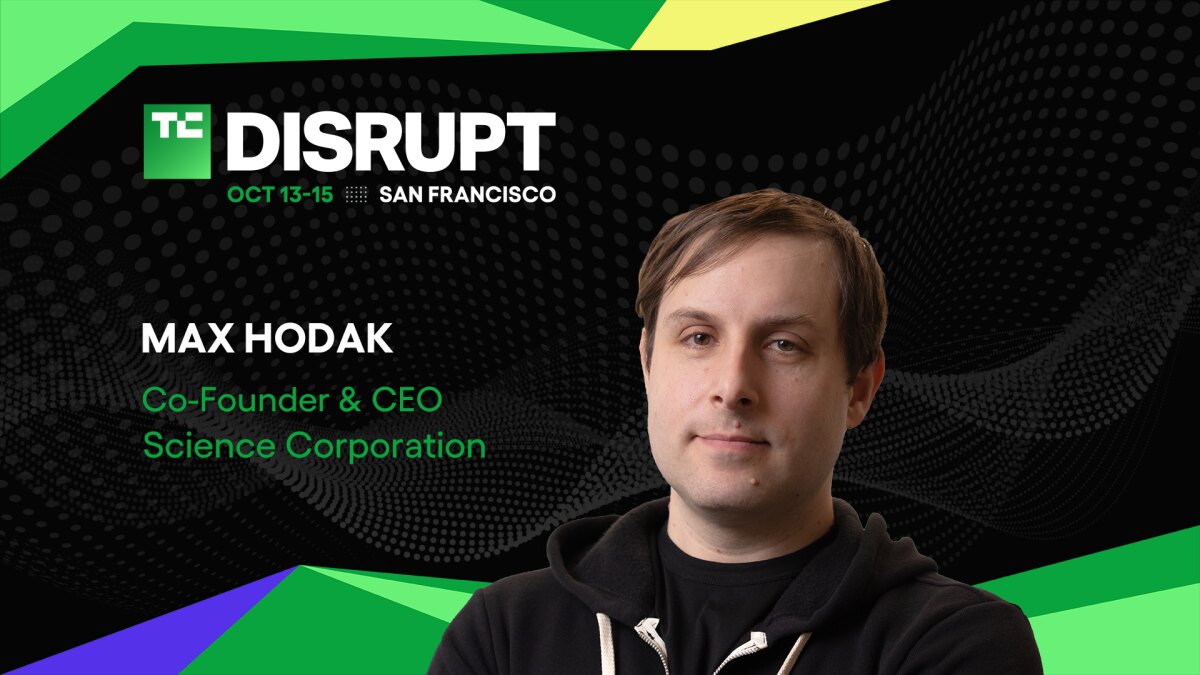
Science Corporation CEO Max Hodak, a Neuralink co-founder and its first president, will present his view of a post-screen technology era at TechCrunch Disrupt 2026. His Beyond Screens session is scheduled for the Disrupt Stage at Moscone West in San Francisco, where the event runs from October 13 to 15 and is expected to bring together more than 10,000 technology leaders, founders and investors.
Hodak will discuss an interface model designed to adapt to people through brain-computer interactions rather than relying solely on keyboards, clicks and phone typing. The appearance comes as Science Corporation advances a biohybrid brain-computer interface and has enlisted a neurobiologist to lead its first human trials in the United States.
From neural engineering to visual restoration
Hodak founded Science Corporation in 2021 to develop neural-engineering and brain-computer-interface technology. The company focuses on potential applications for people needing support with vision, cognition and mobility.
Its PRIMA implant has restored eyesight in people with severe vision loss, Science Corporation says. The system uses glasses fitted with a small camera to capture a scene and beam it onto a chip implanted in the retina. This demonstrated application is distinct from the broader interface vision Hodak is expected to outline on stage.
Before Science Corporation, Hodak co-founded Transcriptic, a robotic cloud laboratory for life sciences. He also co-founded Neuralink in 2016 after studying biomedical engineering at Duke Pratt School of Engineering and working in Miguel Nicolelis’ brain-computer-interface laboratory.
Disrupt agenda and business context
TechCrunch says Disrupt 2026 will include more than 250 sessions and AI-focused programming across six industry stages, with an emphasis on building sustainable AI companies. The event’s ticket timeline is also relevant because discounted Disrupt 2026 ticket sale documents the discounted Disrupt 2026 ticket sale and its approaching deadline.
Science Corporation has raised $230 million in a Series C round at a $1.5 billion valuation. Hodak has described possible future uses for implanted brain sensors, including helping heal damaged brain cells, warning about seizures and potentially treating Parkinson’s disease.
For businesses, Hodak’s session is a reason to distinguish current clinical evidence, such as PRIMA’s visual-restoration use, from longer-term concepts for neural interfaces. Teams assessing human-machine interaction should follow the technology’s validated applications, trial progress and stated therapeutic focus before drawing product implications.