


Meta’s Personal Superintelligence Pitch Raises Questions of Trust
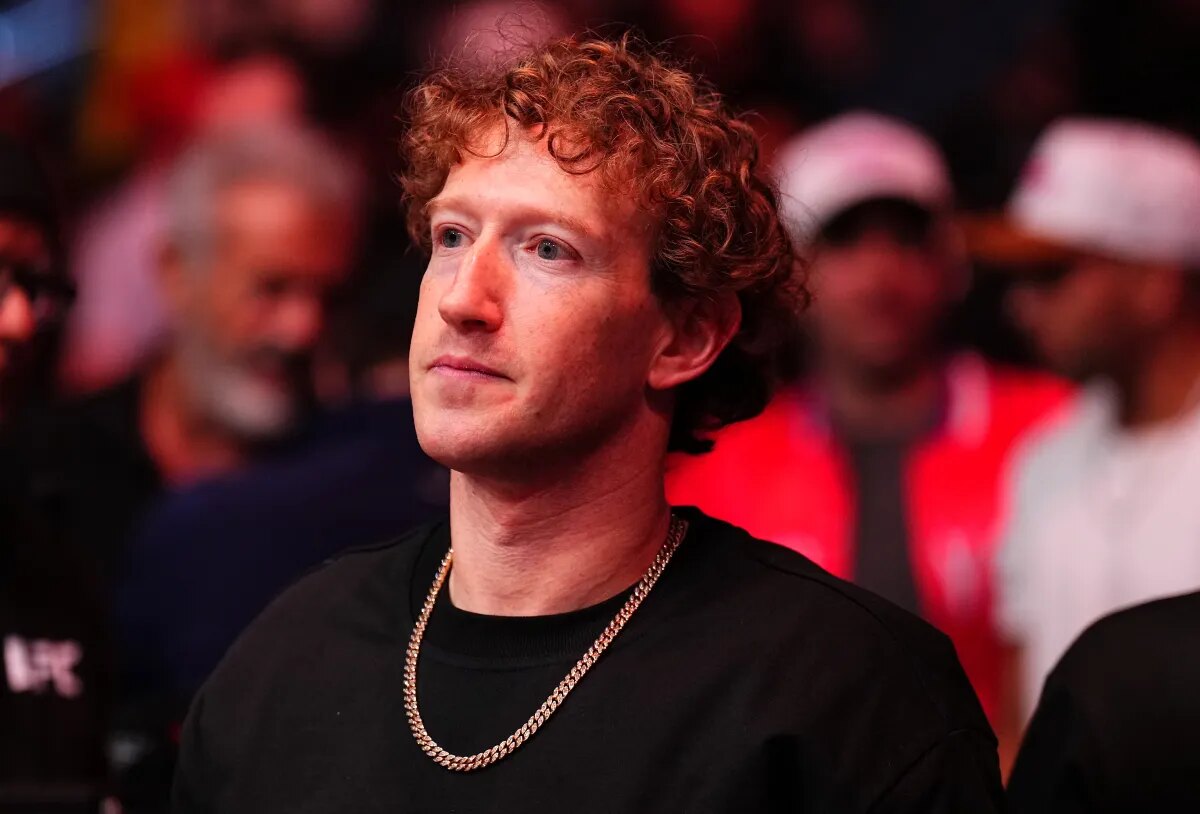
Mark Zuckerberg has published a 6,500-word manifesto setting out his vision for “personal superintelligence,” the AI systems Meta is building. The essay argues that widely available AI could give individuals personalised tutors, learning coaches and legal assistance, while free or affordable access would extend the benefits to billions of people.
The manifesto is the most detailed public version of ideas Zuckerberg has already raised in a Wall Street Journal essay and on Meta earnings calls. Its central proposition is that distributing more capable AI broadly is the most realistic route to a positive outcome, because people and institutions with competing interests would check and balance one another.
A vision shaped by unresolved trust concerns
The argument arrives against a difficult backdrop for Meta and the wider technology sector. A recent survey cited in the article found that 64% of Americans believe social media has harmed democracy, with a similar share favouring heavier regulation. The company was also fined $567 million over harm to children.
Those concerns matter because social media’s consequences have become part of the public’s assessment of new technology. The article argues that Zuckerberg’s manifesto does not directly engage with that lack of trust, even as it asks readers to accept broad claims about the social effects of superintelligent tools.
Meta’s stated ambition also has a commercial infrastructure dimension. As Meta’s potential use of surplus AI capacity explores Meta’s potential use of surplus AI capacity, access to powerful models, compute allocation and pricing may become central elements of the company’s AI strategy rather than merely technical details.
Examples reveal the gap between promise and use
Zuckerberg describes an AI tutor or coach with PhD-level expertise and unlimited patience, available to students and adults learning skills, languages or hobbies. Consumer chatbots such as ChatGPT, Claude and Gemini can already assist with learning. Yet the article notes that these tools are also used to complete homework and assigned essays, while robust watermarking does not allow teachers to reliably identify AI-generated work.
The legal example is similarly double-edged. Zuckerberg suggests that universal access to a superintelligent lawyer could reduce disparities in litigation skills and resources. The article acknowledges that legal AI could improve access, but also raises possibilities absent from the manifesto: added bureaucratic complexity or a flood of vexatious filings that functions like legal spam.
Zuckerberg also proposes free versions for billions of users and a dynamic auction mechanism for people paying for additional compute. While spot-compute markets already exist, the article questions whether variable pricing would be suitable for consumer tools that people rely on for work. Existing consumer AI services generally shield users from the spot price of underlying compute.
What businesses should take from the debate
The contrast is not simply between optimism and pessimism. The article points to Sam Altman and Dario Amodei as leaders who more directly acknowledge AI risks and describe their precautions, even though communication alone cannot prevent safeguards from failing. For businesses deploying AI, the practical implication is to pair claims of productivity or access with clear limits, realistic misuse testing and credible safeguards that users can evaluate.