


Meta Presents Muse Charm Keychain Wearable for Its AI Agent
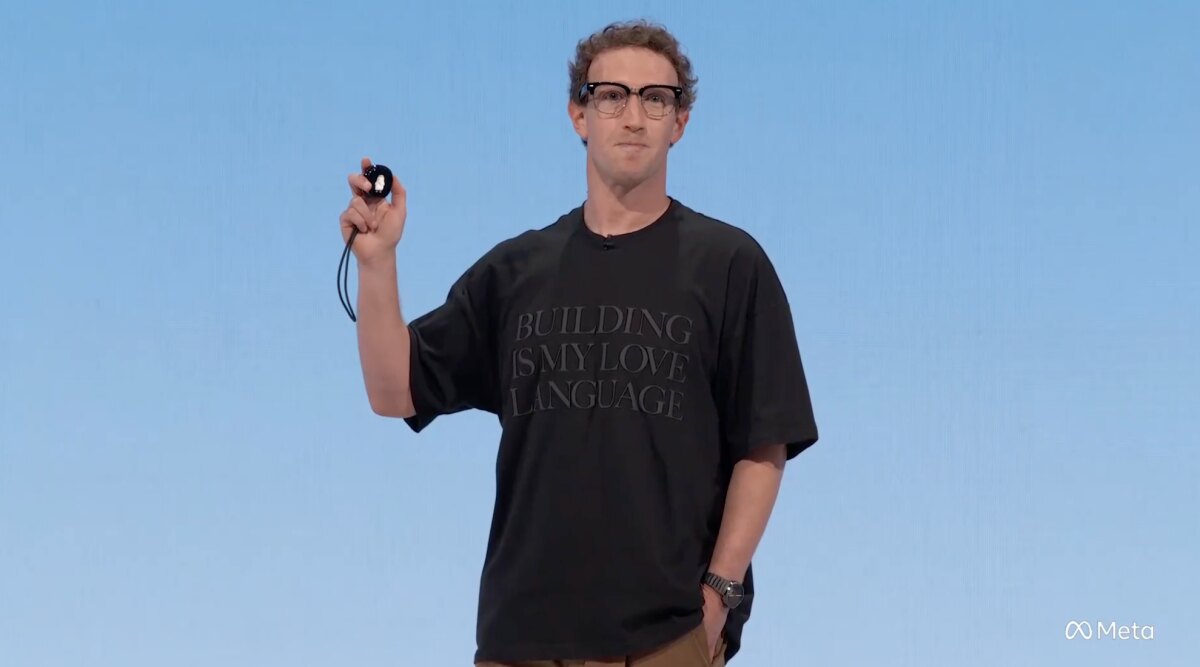
Meta has introduced Muse Charm, a palm-sized wearable designed to provide direct access to its Muse personal AI agent. CEO Mark Zuckerberg revealed the device during the company’s annual Connect event and said Meta expects it to be ready to ship in December, after the team completes the component layout.
The device can be carried in a pocket or attached to a keychain. It includes a small display for a digital avatar called Jolly, which represents the Muse agent, and combines that visual presence with real-time voice interaction.
A physical access point for Muse
Zuckerberg said Meta had packed the full Muse experience, including its real-time voice and avatar stack, into a device small enough for a keychain. Users activate the Charm by tapping a fingerprint sensor in one corner, allowing them to speak to Muse without unlocking a smartphone or opening an app.
Meta positions the Charm as a particularly fast way to interact with Muse for people who are not wearing glasses. Zuckerberg also said users can use it to show the agent what is happening around them, extending the interaction beyond voice alone.
The launch adds a hardware endpoint to Meta’s effort to distribute Muse more broadly. The agent has already been presented as a personal AI service, and Meta’s stated OpenClaw influence illustrates the product’s stated OpenClaw influence while Meta explores another form factor for access to the agent.
What Meta is testing with the device
Muse Charm has a deliberately character-led design. Its small screen and Jolly avatar give the product a Tamagotchi-like quality, turning an always-available software agent into a lightweight object users can keep close at hand.
Unlike an app-based interaction, the Charm is intended to reduce the steps between a request and an AI conversation. Meta has not detailed the full range of tasks Muse will perform through the wearable, but Zuckerberg said users will be able to talk to the device and have the agent act on their behalf.
The product is not yet shipping, and Meta still needs to finalize its hardware components. That leaves the December timetable as the company’s stated target rather than an available retail launch.
Business implication
For organizations evaluating AI assistants, Muse Charm highlights a practical question: whether an agent gains value when it is reachable through dedicated hardware rather than a phone interface. Teams should assess such devices against the reliability of voice interaction, the usefulness of visual context and the specific tasks an agent can complete before treating a new form factor as a productivity tool.