


Midterm Results Raise New Barriers for US Data-Center Projects
US midterm election results have added political uncertainty to data-centre expansion plans, with voters approving restrictions or moratoriums in many local ballot measures and Democrats winning key races. In Texas, governor-elect Gina Hinojosa campaigned on restricting data centres after defeating Greg Abbott, a result closely watched by technology companies operating in the state.
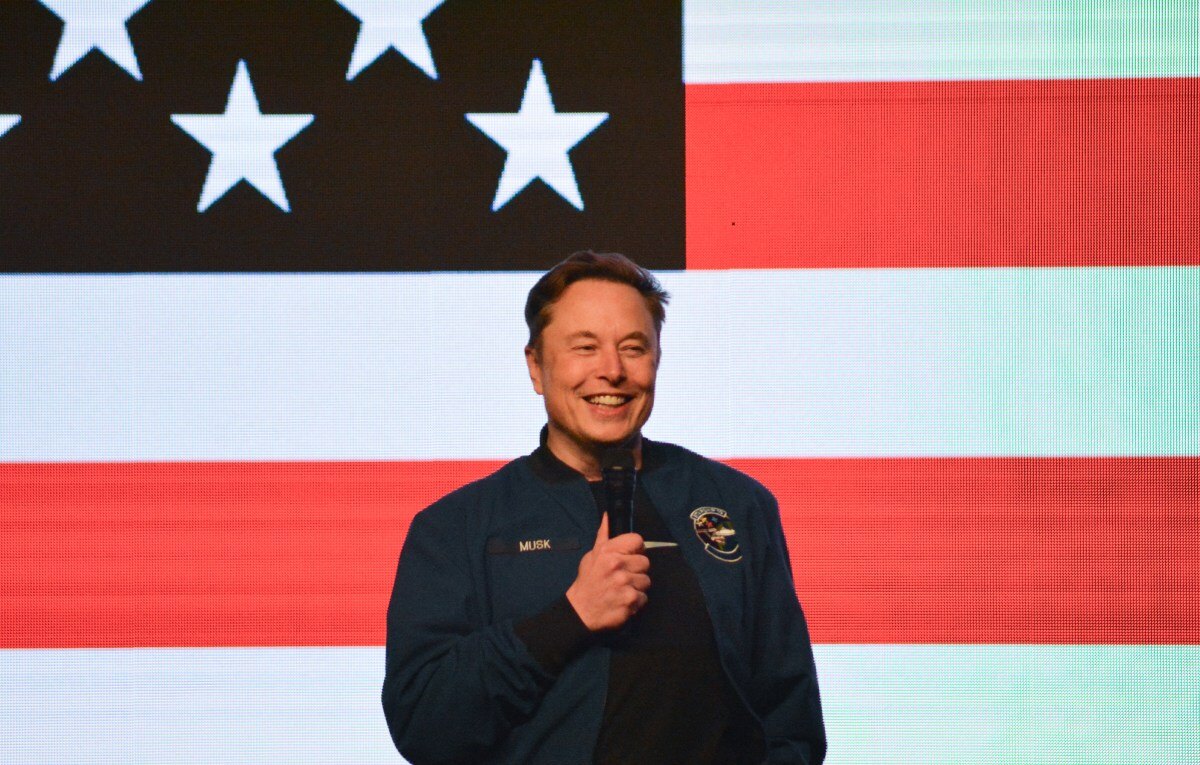
On TechCrunch’s Equity podcast, Sean O’Kane, Anthony Ha and Kirsten Korosec examined how the election could affect hyperscalers, AI companies and infrastructure developers. O’Kane noted that Elon Musk, described as a major data-centre builder and a large Republican donor, now has companies headquartered in a state that has shifted sharply toward Democrats.
Local resistance becomes a broader infrastructure issue
The ballot measures were not a universal feature of the election, and the panel did not portray data centres as the sole explanation for Democrats’ success. But Ha said opposition to AI infrastructure, particularly data centres, had become a potent force that reaches across the country and has bipartisan elements.
Korosec attributed part of the grassroots response to how some projects have been pursued. She cited secrecy around approvals, the use of non-disclosure agreements involving elected or appointed officials, and limited public information about the scale of facilities proposed for environmentally sensitive regions. Water scarcity in the US Southwest was one of the concerns raised in the discussion.
That combination may make the next two years more difficult for technology companies, hyperscalers and data-centre operators seeking approvals. The question is not only how newly elected officials act, but whether the issue remains politically salient in later election cycles.
OpenAI changes its disclosure approach
OpenAI has released what it calls a compute campus policy blueprint. Korosec said the company’s stated changes include no longer requiring NDAs and sharing plans more openly. The terminology is also notable: calling facilities “compute campuses” is an attempt to move away from the increasingly contentious “data centre” label.
The panel was sceptical that a new name alone would alter public attitudes. Its discussion instead pointed to the substance of project engagement: communities want clarity about a development’s scale and its implications in locations with constrained environmental resources.
Capital discipline joins regulatory pressure
The election is not the only constraint facing the AI infrastructure build-out. Ha also pointed to a shift in Wall Street’s reaction to hyperscaler and AI-company spending, with investors less enthusiastic about large commitments to new data centres and compute capacity.
Developers therefore face two pressures at once. Regulatory and political conditions may make new facilities harder to approve, while financial markets may be less willing to reward aggressive construction spending. Yet companies pursuing the scale envisioned for AI services may still need substantial computing infrastructure somewhere.
For businesses planning AI capacity, the practical implication is to treat transparent consultation, water and energy disclosure, permitting risk and capital discipline as central conditions of an infrastructure plan, rather than as issues to address after a site has been selected.