


MIT researchers receive 2026 Pritzker Prize for AI antibiotic work
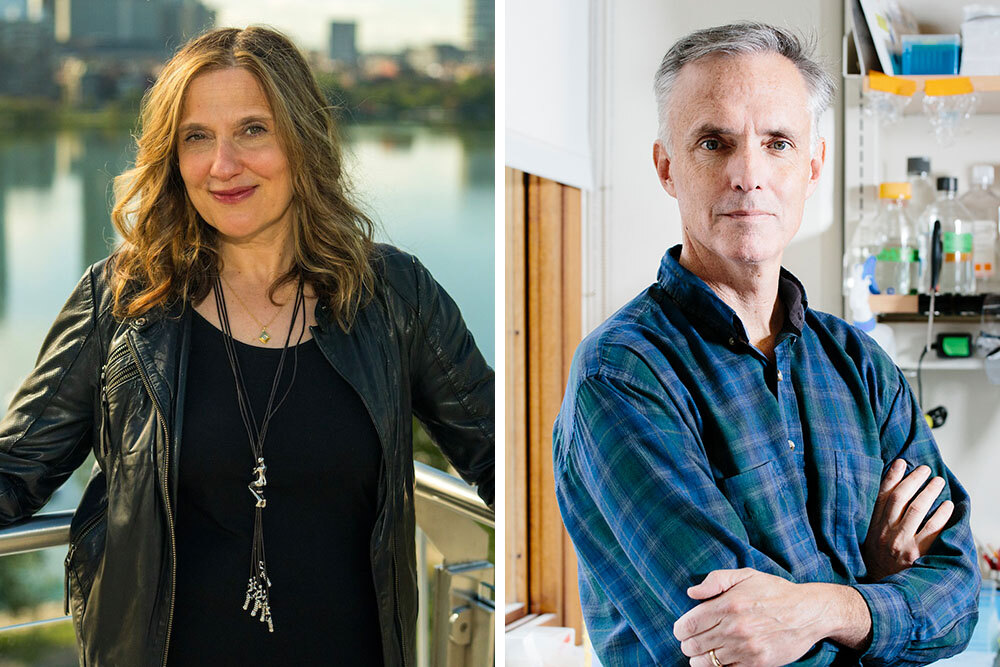
MIT collaborators recognised for AI-enabled antibiotic discovery
Regina Barzilay and James Collins of MIT have received the 2026 Pritzker Prize for AI in Science Research Excellence for their work on AI-enabled antibiotic discovery. The prize, jointly awarded by the University of Chicago and Caltech, recognises their integration of deep learning, bioengineering and experimental validation to identify antibacterial candidates against drug-resistant pathogens.
Barzilay is MIT’s School of Engineering Distinguished Professor of AI and Health, while Collins is the Termeer Professor of Medical Engineering and Science. Both are faculty co-leads of the Abdul Latif Jameel Clinic for Machine Learning in Health and affiliates of the MIT Schwarzman College of Computing and the MIT School of Engineering.
The award was established in 2024 to honour contributions that advance both artificial intelligence and the natural sciences or engineering. For Barzilay and Collins, it reflects a research programme that has become a prominent example of machine learning being used alongside laboratory testing in drug discovery.
Halicin established a milestone for AI drug discovery
In a 2020 paper in Cell, Barzilay and Collins worked with then-MIT postdoctoral researcher Jonathan Stokes to report halicin, described as the first antibiotic discovered using artificial intelligence. The compound had originally been investigated as a potential diabetes drug and was named after the fictional AI system HAL 9000 from the film 2001: A Space Odyssey.
A deep-learning model trained on 2,500 molecules identified halicin. The team then tested it and found that it could kill antibiotic-resistant bacteria including Clostridium difficile, Acinetobacter baumannii and Mycobacterium tuberculosis. MIT says a process that had once taken years was completed in a few weeks.
The result arrived amid concern about antimicrobial resistance and demonstrated that AI could help identify new antibacterial candidates more rapidly. It did not remove the need for experimental work: the reported findings depended on testing the model’s selection against resistant pathogens.
From broad-spectrum activity to targeted candidates
Barzilay, Collins and Stokes, now an assistant professor at McMaster University, subsequently used machine learning to identify abaucin in 2023. Abaucin showed narrow-spectrum activity against A. baumannii, a treatment-resistant bacterium associated with hospital surfaces and with wounds among US soldiers stationed in Iraq and Afghanistan.
Its narrow spectrum is presented as a central advantage because activity focused on a single bacterial species can reduce harm to beneficial gut bacteria and lessen the likelihood of resistance developing. The work illustrates that useful antibiotic candidates do not necessarily need to target every pathogen.
Collins said antibiotic discovery has historically relied on slow, costly and unpredictable trial-and-error approaches that often yield few viable candidates. He sees generative AI creating a shift from using AI for discovery to using it as a design tool. Barzilay cautioned that AI can currently automate only parts of the drug-discovery pipeline and that realistic models of human biology remain necessary.
For businesses building life-sciences AI, the practical implication is clear: model-driven screening can shorten the route to promising compounds, but value depends on combining it with bioengineering, rigorous experimental validation and realistic expectations about what automation can deliver.