


Rohit Patel Launches Ndoc After Leaving Meta AI
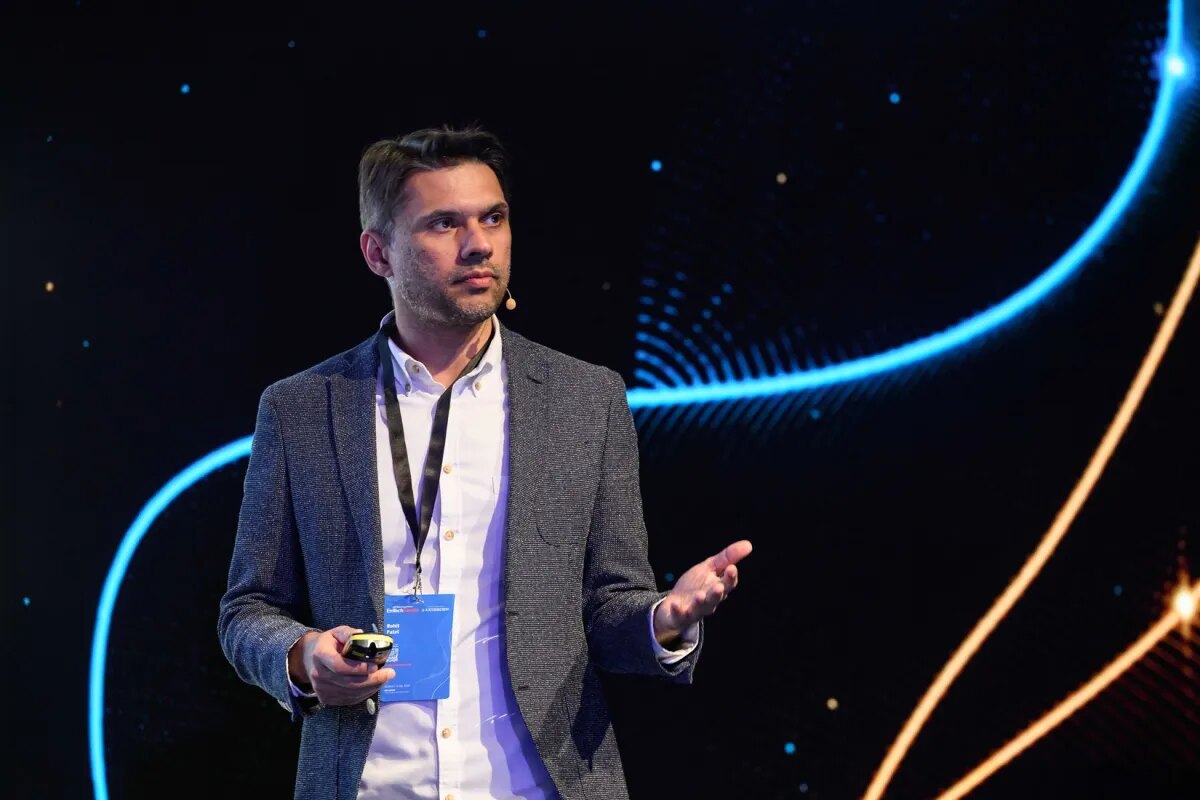
Rohit Patel, formerly a director at Meta Superintelligence Labs, has left Meta after eight years to launch Ndoc, a startup building an AI-native workspace intended to challenge the fragmented experience of Microsoft Office and Google Workspace. Ndoc is conducting an enterprise pilot and opening a limited alpha to customers joining its waitlist.
The company has a team of three and has not raised funding. Patel said customers will eventually pay for usage and tokens, while a beta is planned in the coming weeks and a full launch is targeted for next year.
A workspace built around inspectable AI output
Ndoc is designed as a replacement for a chain of separate tools used for analysis, documents, presentations, visualisation and coding. Patel describes the current workflow as spanning products such as Excel, Word, PowerPoint, Tableau, Replit and copy-and-paste interactions with ChatGPT.
The product combines three views in one layout. Stage holds presentations of findings, including slide decks, dashboards, simulations and mini apps. Narrative contains analysis, numbered citations, generated figures and the explanation behind the numbers. Model stores the underlying datasets and Python scripts.
That structure reflects Patel's work at Meta on reinforcement learning and on evaluating whether AI output can be trusted. Users can upload data, ask Ndoc to analyse it and generate a narrative, then inspect the Python scripts behind the result. Patel said users who do not know Python can ask the AI chat to explain a script or identify the line containing a formula.
Context, connectors and an open file format
Ndoc also accepts document-specific context such as the intended audience and tone. Patel said its memory can persist across an individual, a document, a team and a company. The platform uses a mixture of open-source models and was built from scratch; Patel said this makes it less costly to run than alternatives based on frontier AI models.
To reduce the friction of replacing established workflows, Ndoc includes connectors for importing data from tools customers already use. Its central proposition is not merely an AI assistant attached to existing spreadsheets, but a workspace in which the presentation, explanation and underlying model are kept together.
Patel also wants to change the document format itself. Ndoc files can be exported as a single .ndoc.html file that opens in a browser. He plans to open-source the format so other developers can create compatible applications without being locked into Ndoc, Microsoft or Google.
Competition for enterprise AI workflows
Ndoc enters a crowded market. OpenAI, Anthropic, Meta, SpaceXAI and Google have introduced enterprise AI tools that connect models to Google Workspace, Microsoft 365 and other workplace applications. OpenAI also recently launched Space, a shared workspace within ChatGPT, which Patel identified as a potential competitive threat.
Patel's argument is that enterprise teams should test AI work products as complete, traceable artifacts rather than accept generated spreadsheets or slides at face value. For businesses, the practical implication is to evaluate whether a proposed AI workspace preserves the data, logic and evidence employees need to verify before using its output in decisions.