


Nvidia board reportedly considers Jensen Huang’s removal
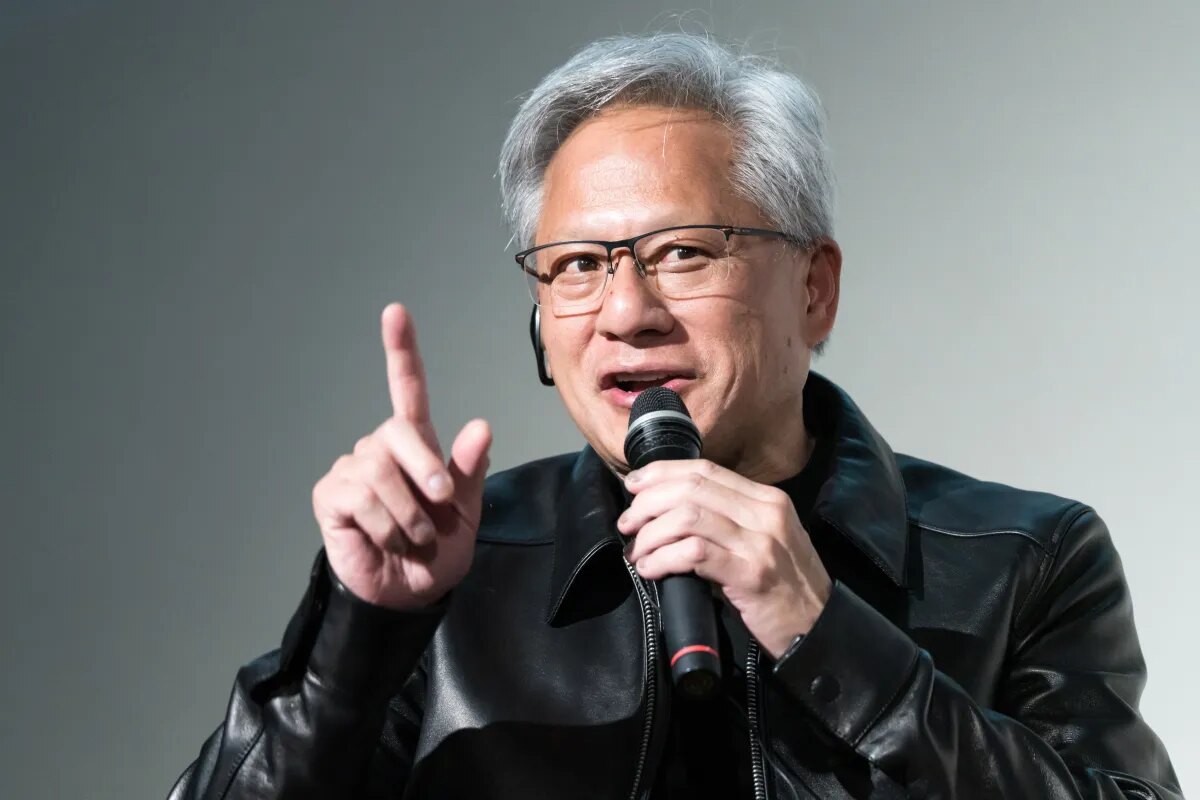
Nvidia is reportedly preparing for a board meeting that could determine the future of co-founder and chief executive Jensen Huang, who has led the chip designer for 33 years. The Wall Street Journal reported that the board could meet as soon as Wednesday to consider removing Huang.
The report arrived as Nvidia shares fell about 8% in after-hours trading on Wednesday. The stock was down about 11% over the preceding five days, amid an escalating scandal involving the company’s long-serving leader.
Reports put Nvidia leadership under scrutiny
On Sunday, Huang admitted to an extramarital affair with a woman whom U.S. intelligence purportedly identified as a Chinese spy. On Wednesday evening, The New York Times reported that Huang also had an affair with an Nvidia executive who reports to him.
The allegations have brought attention to Nvidia’s leadership structure at a moment when the company is among the world’s most valuable businesses. Nvidia designs the chips powering the AI boom, and Huang has been closely associated with its rise.
Huang has said that he delegates very little and has about 60 direct reports. The company also has not had an obvious successor or a succession plan, leaving the reported board deliberations focused on a role with unusually concentrated influence.
Succession becomes a business issue
Nvidia’s strategy has extended from AI infrastructure into new product categories, including Nvidia’s agentic AI market strategy and its positioning in the market for agentic AI. That breadth makes continuity at the top especially relevant while the board considers Huang’s future.
The reported share-price moves do not establish the outcome of the board’s process. They do, however, show how quickly leadership uncertainty can become a market concern for a company whose chief executive has been central to its operations and public identity.
What companies can take from the situation
For businesses dependent on a highly visible founder or executive, the practical implication is to establish credible succession arrangements and clear reporting structures before a governance crisis tests them.