


Nvidia probes allegations involving CEO and China chip exports
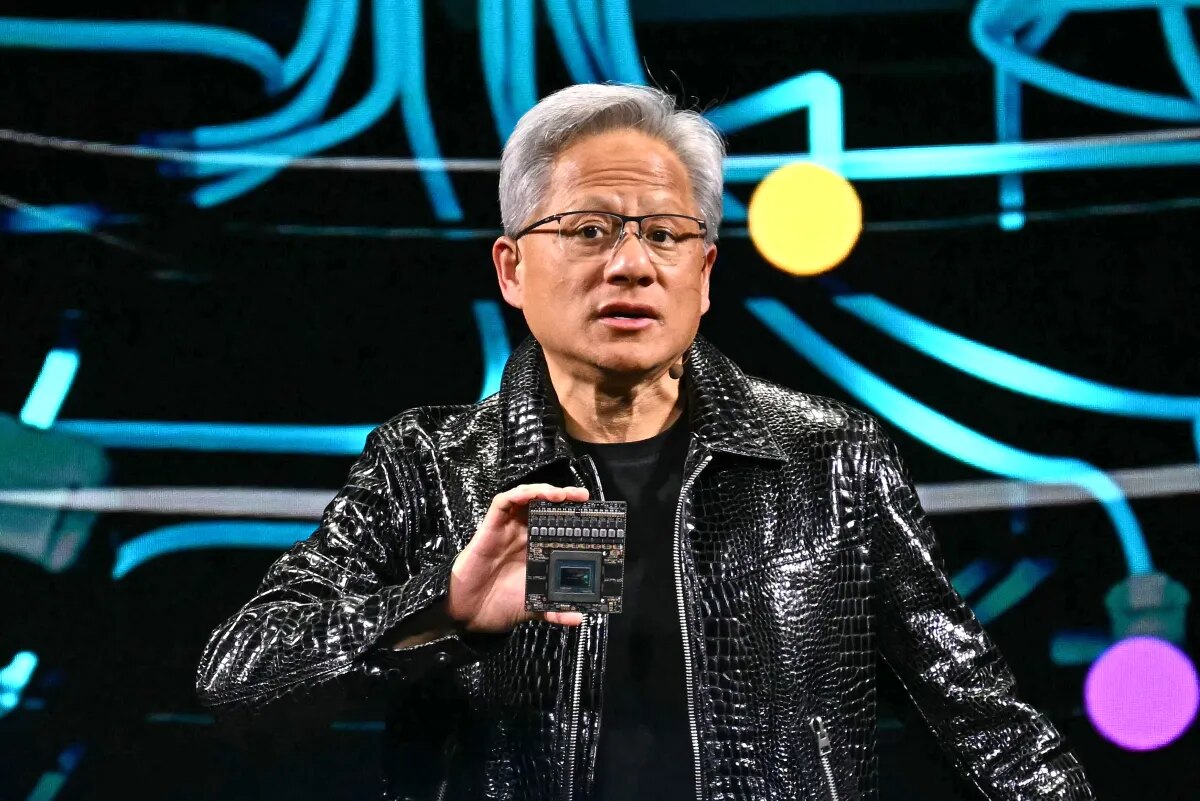
Nvidia opens investigation into allegations involving Jensen Huang
Nvidia’s independent directors are investigating allegations involving chief executive Jensen Huang and Alice Huang, a former executive at Megaspeed, an Nvidia customer. Huang acknowledged an affair and apologised to employees in a Sunday memo, while the board works with outside legal counsel.
US intelligence officials believe Alice Huang was recruited by Chinese intelligence to collect information about the Nvidia chief executive and influence the company’s effort to loosen US chip-export restrictions. The allegations have also prompted congressional demands for answers at a delicate point in Nvidia’s relationship with China.
The company did not respond to a request for comment. The investigation has not established that Huang shared confidential information, but the allegations place fresh attention on Nvidia’s ability to prevent sensitive technology from reaching unauthorised customers.
China remains material to Nvidia’s business
China has historically been a significant Nvidia market, although US export controls and Beijing’s push for domestic alternatives have reduced its role. In the three months ended July 26, Nvidia reported $7.9 billion in revenue from customers headquartered in China, equal to roughly 8% of its total revenue.
Huang has consistently argued that the United States should continue supplying AI chips to China instead of excluding the country from the technology. He has said export controls were a “failure” and warned that separating US and Chinese AI ecosystems would not be wise.
His position predates his reported meeting with Alice Huang at an Nvidia event in early 2024. It also fits Nvidia’s wider effort to defend access to a major compute market, where Nvidia's agentic AI market ambitions illustrates the company’s ambitions in agentic AI while China develops domestic chips that could compete internationally.
Export decisions face closer scrutiny
After meetings between Huang, President Donald Trump and administration officials last year, the US government reversed restrictions on Nvidia’s H20 chips and permitted exports of the more powerful H200 processor. Reuters also reported that about 600,000 H200 chips were being held in Hong Kong awaiting shipment to mainland China.
Beijing, meanwhile, is encouraging AI companies to give priority to Chinese chip suppliers. The allegations do not alter the commercial logic behind Nvidia’s lobbying, but they could affect how Washington evaluates the company’s assurances on export compliance and customer controls.
For businesses building AI capacity across borders, the practical implication is that leadership oversight, end-customer due diligence and export-control processes must withstand intensified scrutiny alongside the commercial case for access to restricted markets.