


Nvidia faces AI ecosystem questions after Huang’s resignation
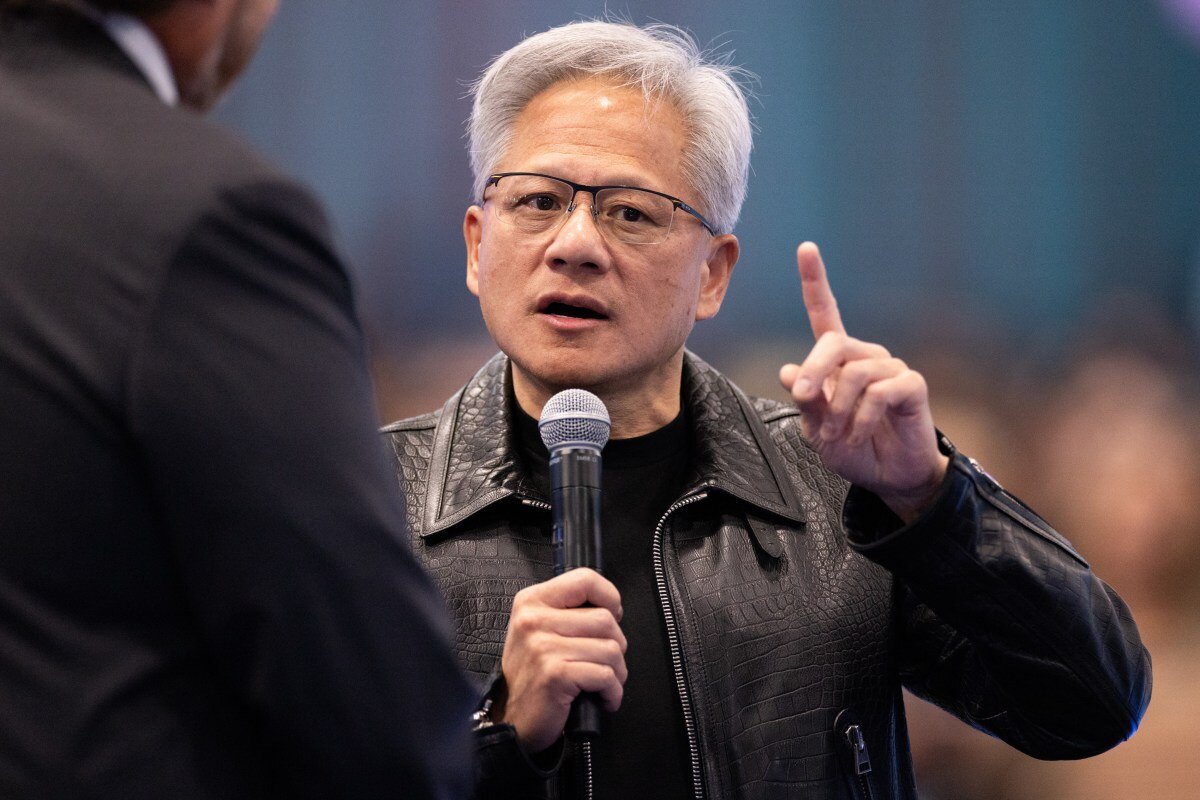
Jensen Huang has resigned as Nvidia’s chief executive, with chief financial officer and longtime board member Collette Kress appointed interim CEO. The leadership change comes at a sensitive moment for the AI sector: Nvidia accounts for roughly 80% of the AI GPU market and has built extensive investment and infrastructure relationships across the industry.
On TechCrunch’s Equity podcast, Rebecca Bellan, Tim De Chant and Anthony Ha examined what the sudden departure could mean for Nvidia and the companies that depend on its chips, capital and cloud commitments. They described Kress’s appointment as an interim, caretaker-style move while the board determines a longer-term path.
Reports drove a rapid escalation
Huang resigned after reports concerning affairs, including one with a former executive at Nvidia customer Megaspeed who was alleged to have ties to Chinese intelligence. A separate reported affair involved an Nvidia executive. The discussion noted that concerns around the relationship with Alice Huang had reportedly circulated in intelligence circles for close to a year before events accelerated publicly.
The timeline intensified after Huang acknowledged an affair, Nvidia’s board opened an investigation and subsequent reporting raised further questions. Bloomberg reported that Nvidia’s head attorney had a role in inquiries into a Department of Commerce investigation concerning Alice Huang. The podcast participants did not establish what impact that report had on the board’s decision, but identified it as a potential turning point in the rapidly developing situation.
China policy increases the stakes
The controversy also intersects with Nvidia’s position on chip exports to China. Bellan said Huang had advocated for looser export restrictions, a policy debate that is closely connected to national-security concerns about Chinese AI companies gaining access to powerful chips. The podcast framed this question as an added challenge to confidence in Nvidia’s leadership, rather than solely a personal scandal.
Nvidia’s scale makes a management transition relevant well beyond its own operations. Huang is the company’s largest shareholder, family members work at Nvidia, and the discussion said no succession plan had been in place. Those factors have reinforced the perception that Huang and Nvidia were closely identified with one another.
Investment commitments link Nvidia to AI builders
Nvidia reported roughly $99 billion in investments, another $25 billion in commitments and $36 billion in cloud-service commitments. Its relationships include CoreWeave, Nebius, OpenAI, Anthropic and major data-centre projects. This combination of GPU supply, financing and cloud infrastructure has made Nvidia a central participant in what commentators call the AI circular economy.
The immediate question is not whether Nvidia will cease operating, but whether a period of internal caution changes the pace or shape of those commitments. Even a limited pullback, the podcast argued, could have material consequences for startups and projects relying on Nvidia for both infrastructure and funding.
For businesses building around AI capacity, the practical implication is to review concentration risk: identify where product roadmaps, compute access or financing depend on Nvidia commitments, and maintain workable alternatives while the company establishes its longer-term leadership direction.