


Israeli investors assess Nvidia challengers after Huang resignation
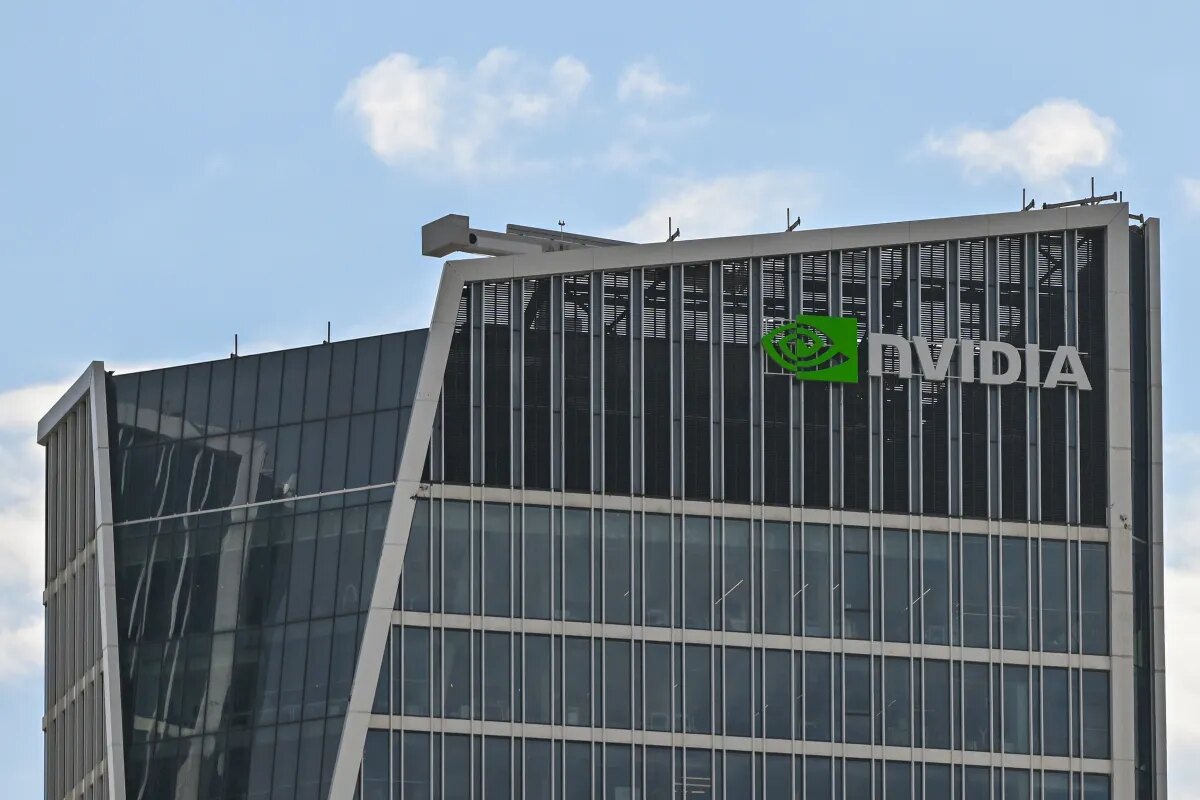
Jensen Huang’s resignation from Nvidia has prompted Israeli venture investors to assess both the company’s future commitment to the country and the potential opening for rivals in AI chips and inference software. Nvidia employs about 6,000 people in Israel, where it operates its largest research-and-development facility outside the United States.
That presence was built in large part through Nvidia’s $6.9 billion acquisition of Israeli chipmaker Mellanox in 2019. Nvidia has also outlined plans for a multibillion-dollar campus in northern Israel, making the succession question significant for a technology ecosystem that includes major R&D operations from Intel, Microsoft and local startups.
A leadership change closely watched in Israel
Pavel Gurvich, a repeat cybersecurity entrepreneur, said Nvidia and Huang retain strong positive sentiment in Israel’s technology community because Huang drove the Mellanox deal. The immediate concern is whether Nvidia will remain as committed to Israel under new leadership.
Interim CEO Colette Kress had described beginning her day as Nvidia’s CFO with meetings in Israel before continuing to California. Potential successors mentioned in reporting include Apple’s Johny Srouji and Nvidia’s Michael Kagan, although the list remains tentative and neither is presented as a leading candidate.
Opportunity does not guarantee a shift
Yanai Oron, a general partner at Vertex Ventures Israel, said slower decision-making at Nvidia could give competitors an opening. He also cautioned that if uncertainty slows AI spending, competitors could win a larger share of a smaller opportunity.
Nvidia’s influence has extended beyond GPU demand. Under Huang, it used cash reserves for investments across the AI market as well as for its own next-generation chips. The company’s recent scale is illustrated by Nvidia’s record quarter and startup investments and its investment activity, while the current transition raises questions about how strongly that model will continue.
Adi Levanon, founder and managing partner at Selah Ventures, said Huang’s departure does not dismantle Nvidia’s technology or ecosystem, but could create more room for competitors to shape the next phase. Developers of AI-specific chips and inference software have attracted growing interest and some venture funding as companies deploy more demanding AI agents.
What buyers and builders should test
Levanon stressed that challengers still need to demonstrate better economics; leadership change alone will not win customer business. For businesses evaluating AI infrastructure, the practical implication is to compare alternative chips and inference software on their proven cost and technical performance rather than treat Nvidia’s succession as evidence that purchasing conditions have already changed.