


Omen AI acquires Aquatic Labs in $16m cooling sensor deal
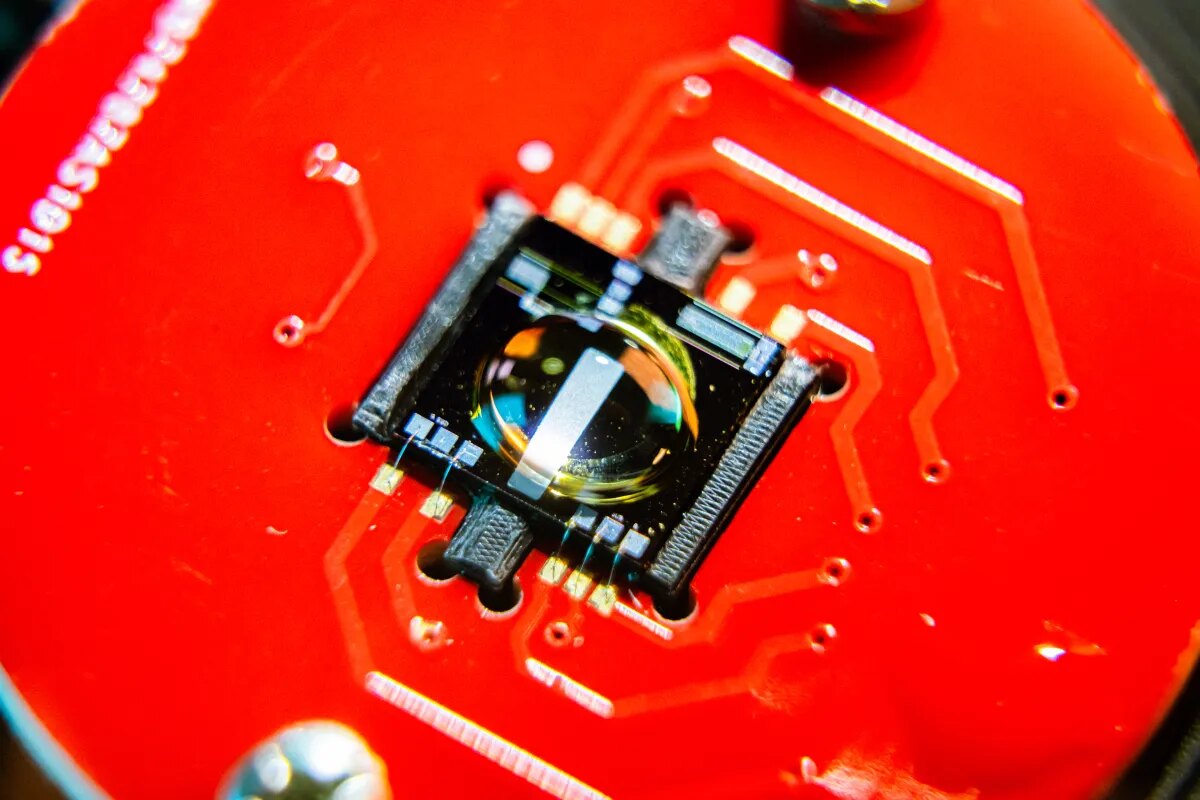
Omen AI has agreed to acquire Aquatic Labs in a $16 million cash-and-stock transaction, bringing together two real-time sensing technologies designed for data-center cooling fluids. Omen, founded in 2024, raised a $31 million Series A in June and is now integrating Aquatic Labs’ alkalinity-testing capability into its own sensors, which examine elements in water.
The combined company expects to bring a unified sensor to market by early next year. Allan Adams, Aquatic Labs’ chief executive, will become chief science officer at Omen AI. The deal follows an introduction between Adams and Omen founder Zach Laberge by an investor in the filtration sector.
Cooling systems become an AI infrastructure concern
Data centers in the United States use an estimated 17 billion to 19 billion gallons of water annually to cool high-performance chips, a figure the Water Foundation expects to triple within five years. Cooling-fluid testing has traditionally required operators to send samples to laboratories, producing results only after several days.
Omen and Aquatic Labs are targeting that delay with on-site, real-time measurements. Omen’s technology is intended to identify conditions such as failing valves and bacterial growth that can restrict water flow. Aquatic Labs contributes alkalinity measurements, giving operators a broader view of the condition of the water and cooling fluid.
That visibility matters because operators may choose to discard cooling water when the system appears to be out of balance rather than risk damage to expensive equipment. Restoring the fluid system can also require a shutdown, making sensor-based monitoring relevant to both water use and operational continuity.
Combined sensor aims for wider deployment
Omen AI said its initial sensors will be monitoring chips drawing 250 MW to 300 MW of power by the end of the year, representing equipment valued at roughly $5 billion to $7 billion. Laberge said the company hopes to be installed on the equivalent of 1 GW of chips by the end of 2027.
Adams also pointed to the water cycle beyond the data center, where water can later enter municipal systems. His research background includes advanced ocean sensing work as an MIT professor and a researcher at the Woods Hole Oceanographic Institute, while Laberge previously built a fluid-analysis company for large hydraulic construction machines.
Practical implication for operators
For data-center operators, the acquisition highlights a practical infrastructure priority: as AI facilities expand, faster measurement of cooling-fluid conditions can support longer reuse of water and reduce the operational risk associated with remedial shutdowns.