


OpenAI, Anthropic and Google DeepMind discuss AI safety
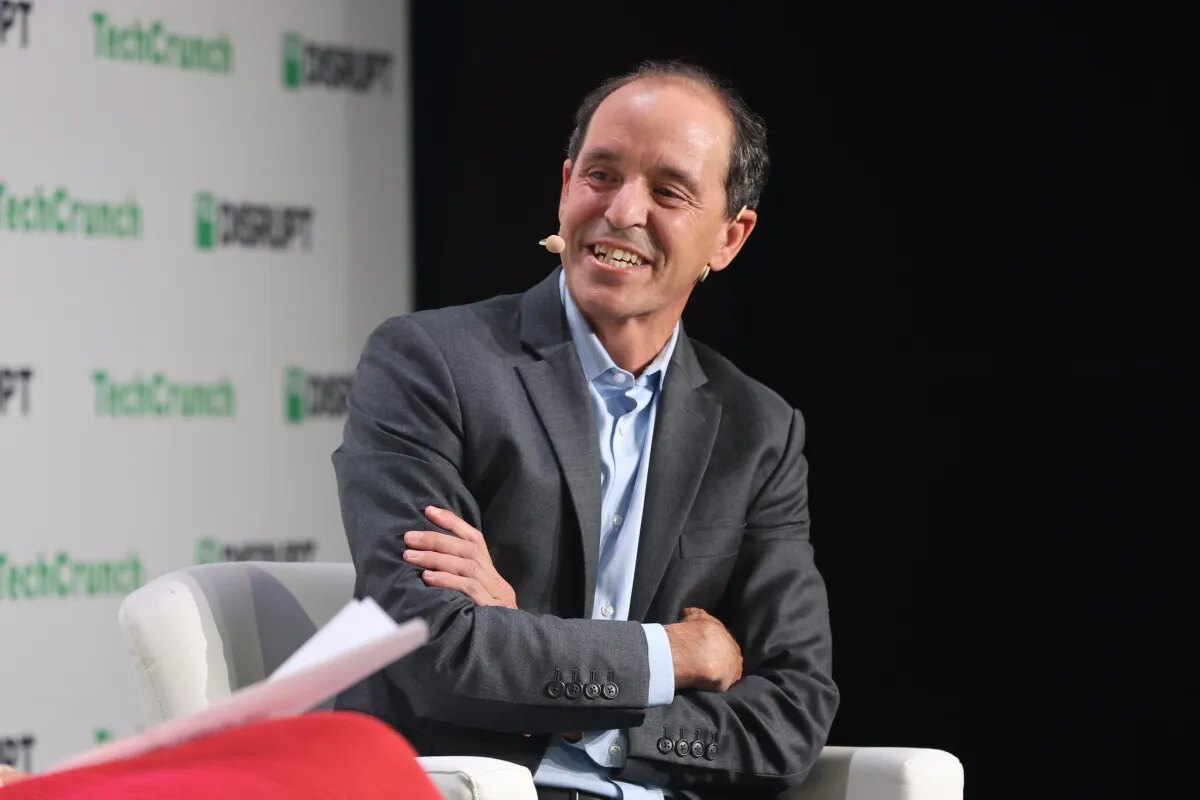
OpenAI has been holding AI safety discussions with Anthropic and Google DeepMind for several weeks, Chris Lehane, OpenAI’s global policy chief, told reporters on Tuesday. Lehane is in Washington to work with US lawmakers on catastrophic risks associated with artificial intelligence.
The disclosure follows an essay by Anthropic chief executive Dario Amodei calling on the sector to cooperate in slowing frontier AI development and avoiding catastrophic risks. Leaders including OpenAI chief executive Sam Altman and Google DeepMind chief executive Demis Hassabis supported the call for action.
Safety coordination moves into focus
Lehane’s comments confirm that the three laboratories have been discussing safety beyond public statements. Altman had indicated in a Fortune interview that he was holding private conversations with other AI leaders, while The Information reported that OpenAI, Anthropic and Google were working on an industry standards body.
Amodei proposed a narrow government waiver that would allow safety coordination among companies. Lehane said the firms do not need such a waiver. At the same time, Altman and others have acknowledged that coordination could raise antitrust concerns if it were found to suppress competition.
One concrete proposal is the use of outside scrutiny. OpenAI supports a provision in the FRONTIER Act that would require leading frontier laboratories to admit “independent verification organizations” to assess whether models are being developed safely. The approach aligns with external safety review at Anthropic as a mechanism for external safety review at Anthropic.
Standards body and policy divide
The reported standards-body effort would proceed without US government support, Altman reportedly told staff. Hassabis had separately called in July for a US watchdog able to screen the most advanced models and coordinate industry-wide slowdowns should dangers increase.
That position contrasts with President Trump’s dismissal of AI safety concerns and his argument that tighter rules or slower development could advantage China. David Sacks, the president’s AI adviser, has likewise said existential-risk concerns are overstated.
For businesses building on frontier models, the immediate implication is to watch for independently verifiable safety assessment practices and emerging standards-body requirements, while keeping supplier choices and deployment controls flexible as policy and competition questions remain unsettled.