


Oura discloses revenue growth and member base in IPO filing
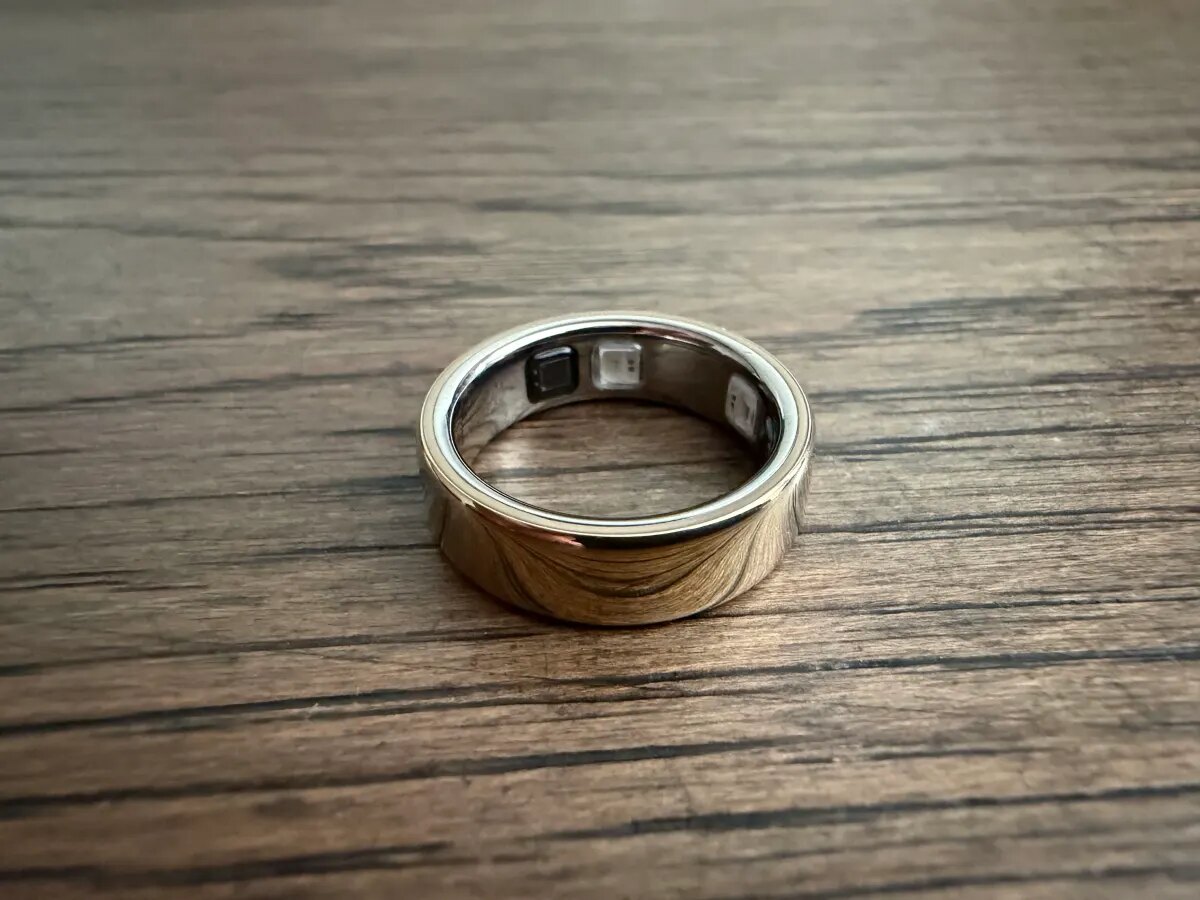
Oura, the Finland-founded smart-ring maker, has filed to go public with the US Securities and Exchange Commission, disclosing $1.2 billion in revenue for the nine months ended June 30. That compares with $697 million in the corresponding period a year earlier.
The company said it sold 3.6 million rings over the past year and has approximately 5 million paid members. Its rings sell for roughly $350 to $400 and are designed to measure biometrics including metabolism, heart rate, stress levels and sleep patterns.
Subscription metrics underpin the filing
Paid members subscribe for broader health metrics through Oura’s app, which the company markets alongside the ring as an “always-on health intelligence platform.” Oura reported an approximately 85% weighted-average 12-month membership retention rate, meaning roughly 85% of members who sign up in a given month remain subscribed a year later.
Oura had previously said it generated $500 million in revenue in 2024 and roughly $1 billion in 2025, and expected revenue close to $2 billion this year. The company confidentially filed for an IPO in May. Reports late last month said it was seeking to raise $3 billion in the expected offering, while Bloomberg had reported an expected $16 billion valuation; Oura was valued at around $11 billion in October last year.
Data and expansion plans
Oura says its potential market extends beyond conventional activity and fitness tracking. Its stated plans include expanding access, building clinical evidence and deepening integrations with health plans, employers and care providers. The company’s earlier SEC disclosure, Oura SEC filing and IPO plans outlines the Finnish smart-ring maker’s path toward an IPO as those ambitions broaden.
The company also highlighted a longitudinal consumer-health dataset that it says tracks more than 50 health and wellness metrics and represents nearly 42 billion hours of physiological data. Oura says this data powers AI and machine-learning models intended to decode physiological patterns and improve accuracy, personalisation and predictive capability as member histories deepen.
Accuracy claims remain under dispute
Oura has recently faced a proposed class action lawsuit alleging that it misled users about the accuracy of its sleep tracking. The complaint alleges that the rings cannot detect the physiological signals required to determine sleep stages and instead use AI-generated estimates. Oura disputes the allegations and has said it will defend against them in the appropriate legal forum.
For businesses evaluating connected-health products, the filing illustrates the importance of assessing hardware sales, subscription retention, data practices, integration plans and the evidence supporting product claims before relying on wearable-derived metrics.