


Pennsylvania Study Maps Growing Resistance to Data Center Projects
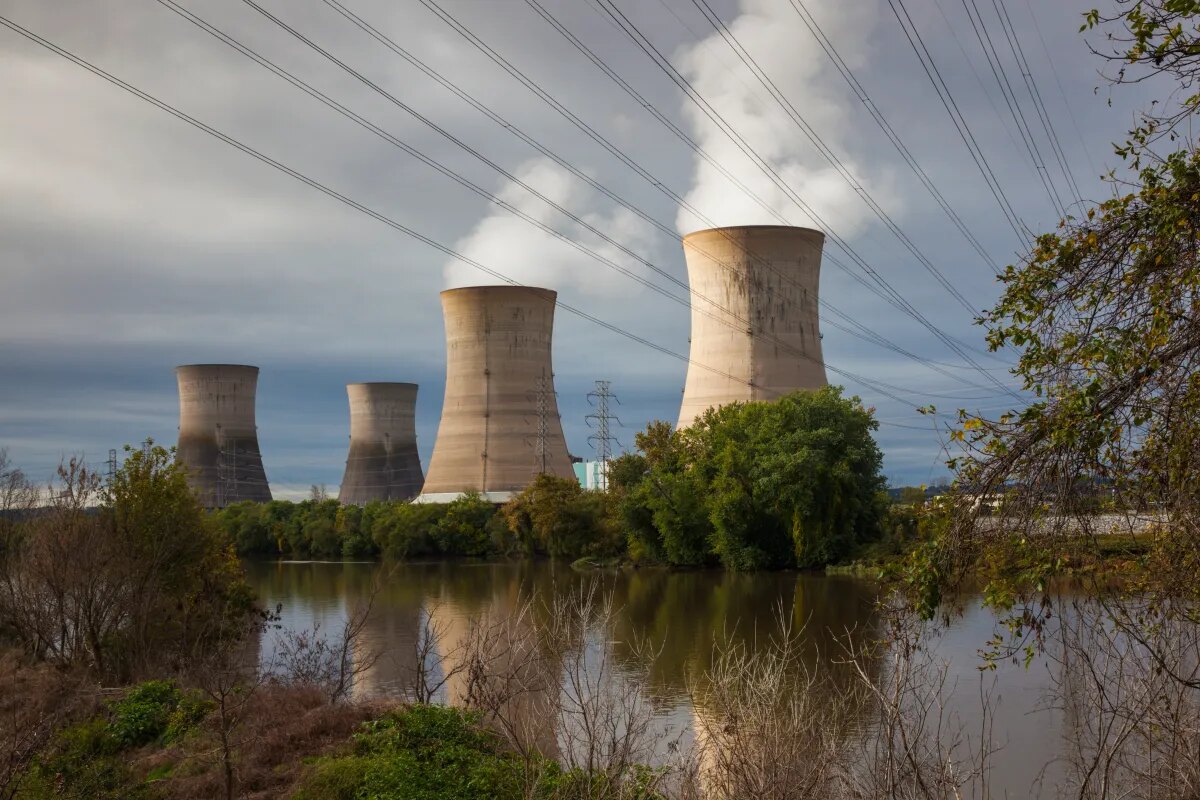
Data center projects worth $68 billion were disrupted by local opposition in the second quarter of 2026, Data Center Watch reports. The pressure comes as AI companies and their investors plan infrastructure spending measured in trillions of dollars, while public surveys show that more than 60% of Americans support limiting new data centers, particularly in their own communities.
A new report from nonprofit research organization Data & Society examines how that opposition is taking shape in Pennsylvania. Based on 18 months of ethnographic fieldwork and interviews with 44 residents between 2024 and 2026, the study does not attempt to quantify data centers' impacts. Instead, it documents how residents understand arguments around AI infrastructure and development.
A broad coalition, not a single objection
The researchers describe the resistance as post-partisan rather than bipartisan. Participants and local groups bring different priorities: some oppose development in general, while others object to AI and the corporate interests behind it. Environmental concerns include water use and energy-related emissions, while some residents express wider public-health anxieties.
Material issues are frequently central. Residents worry that a facility's electricity demand could affect household power bills, that construction or nearby infrastructure could hurt property values, and that developers' procedures leave communities with too little visibility. One cited concern is the use of non-disclosure agreements requested of local officials during project discussions.
Maia Woluchem, a Data & Society program director and co-author of the report, said residents may notice representatives from Amazon, Meta, Microsoft or data center developers appearing at community meetings while familiar officials become less able or willing to discuss the proposals. That dynamic can turn a siting process into a question of local trust rather than a narrow debate over technical capacity.
Industrial history shapes the reception
Pennsylvania's experience with coal mining, early oil production, steel manufacturing and fracking informs how residents receive promises of an AI-led industrial expansion. The report's authors argue that claims that AI infrastructure is inevitable have landed badly against that history of industrial change and its perceived harms.
The policy climate has also shifted. In July 2025, Governor Josh Shapiro led a summit celebrating $90 billion in data center and AI infrastructure investment. A year later, he signed an order creating new requirements for data center projects and removing them from a regulatory fast-track initiative.
Jobs remain an important counterweight
Trade unions are among the most significant supporters of data center projects because construction can create jobs and help rebuild union membership. The report notes, however, that unions recognize completed facilities will not become large ongoing sources of employment. This creates a distinct tension between the promise of construction work and expectations for long-term local economic benefit.
The findings do not present a single remedy for developers or AI companies because opposition is driven by overlapping concerns rather than one shared demand. For businesses planning data center capacity, the practical implication is clear: transparent engagement on electricity costs, project terms, environmental questions and local benefits must begin before siting decisions harden into a trust dispute.