


Pentagon launches Project Meridian with Musk and Luckey
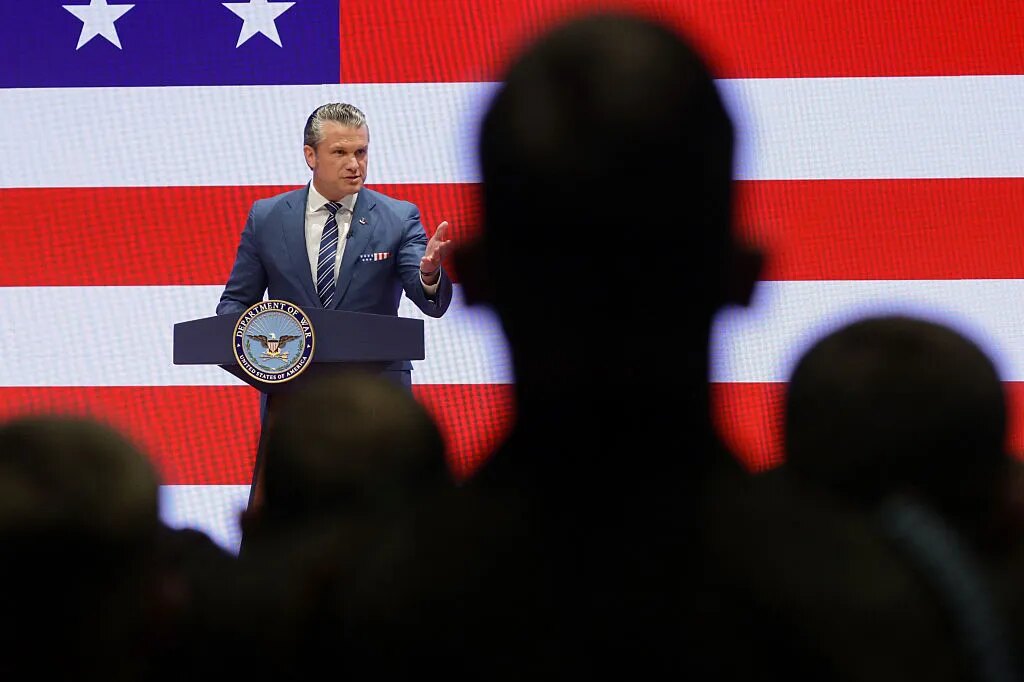
The Pentagon has launched Project Meridian, a 120-day effort to examine how future battlefields may evolve and what weapons and technologies U.S. warfighters may need. Defense Secretary Pete Hegseth announced the initiative in a State of the Force address, naming Elon Musk, Anduril founder Palmer Luckey and former House Speaker Newt Gingrich as its co-leads.
The group will work under the direction of Defense Department Chief Technology Officer Emil Michael. Hegseth said its remit is to study future battlefields and the technologies that could be used on them, then propose actionable solutions for developing, testing and fielding advanced capabilities intended to preserve U.S. military dominance.
A 120-day review of military technology
Project Meridian’s membership beyond its three co-leads has not been detailed. The Pentagon said participants will include people from academia and policy, but did not say how many members will serve. It also said the study will be conducted through a partner organization without identifying that organization or its leadership.
The deadline is central to the announcement. Within 120 days, the team is expected to deliver findings and recommendations that move beyond a broad technology assessment toward development, testing and fielding decisions. The scope spans the tools and systems that could define future operations rather than a single procurement programme.
Autonomy is also being elevated
Hegseth announced an Autonomous Warfare Command at the same time. Its stated purpose is to speed the development and deployment of autonomous systems and drones, placing unmanned and autonomous capabilities alongside the wider Project Meridian review.
Luckey’s company Anduril builds autonomous military systems and drones. It has recently received government contracts involving long-range missiles, semi-autonomous fighter aircraft, and supply hardware and integration for the Army’s mobile intelligence system. Musk’s SpaceX launches satellites for the U.S. government and operates a satellite network supporting national defence and security missions.
Industry participation and procurement questions
The appointments fit an administration priority on advanced military technology, both in development and purchasing, and its engagement with companies associated with Silicon Valley. Musk has also renewed close ties with the administration and recently joined other AI leaders at a lunch with the president focused on AI’s future. The role appears to be his first formal return to the administration since leaving the Department of Government Efficiency last year.
At the same time, the structure may draw scrutiny because Musk and Luckey lead companies that sell systems relevant to the study’s subject matter. Project Meridian’s eventual recommendations, the identity of its partner organization and the autonomy command’s operating model will therefore be important signals for businesses tracking defence technology priorities, qualification work and potential procurement routes.