


How PhysioNet Turned an MIT Arrhythmia Dataset Into Global Research Infrastructure
On July 29, 2026, MIT detailed how PhysioNet evolved from an arrhythmia project into one of the most comprehensive biomedical and clinical data repositories. More than 15,000 scientific papers cited the platform last year, while users from over 180 countries have registered to access it.
Why reusable clinical data matters
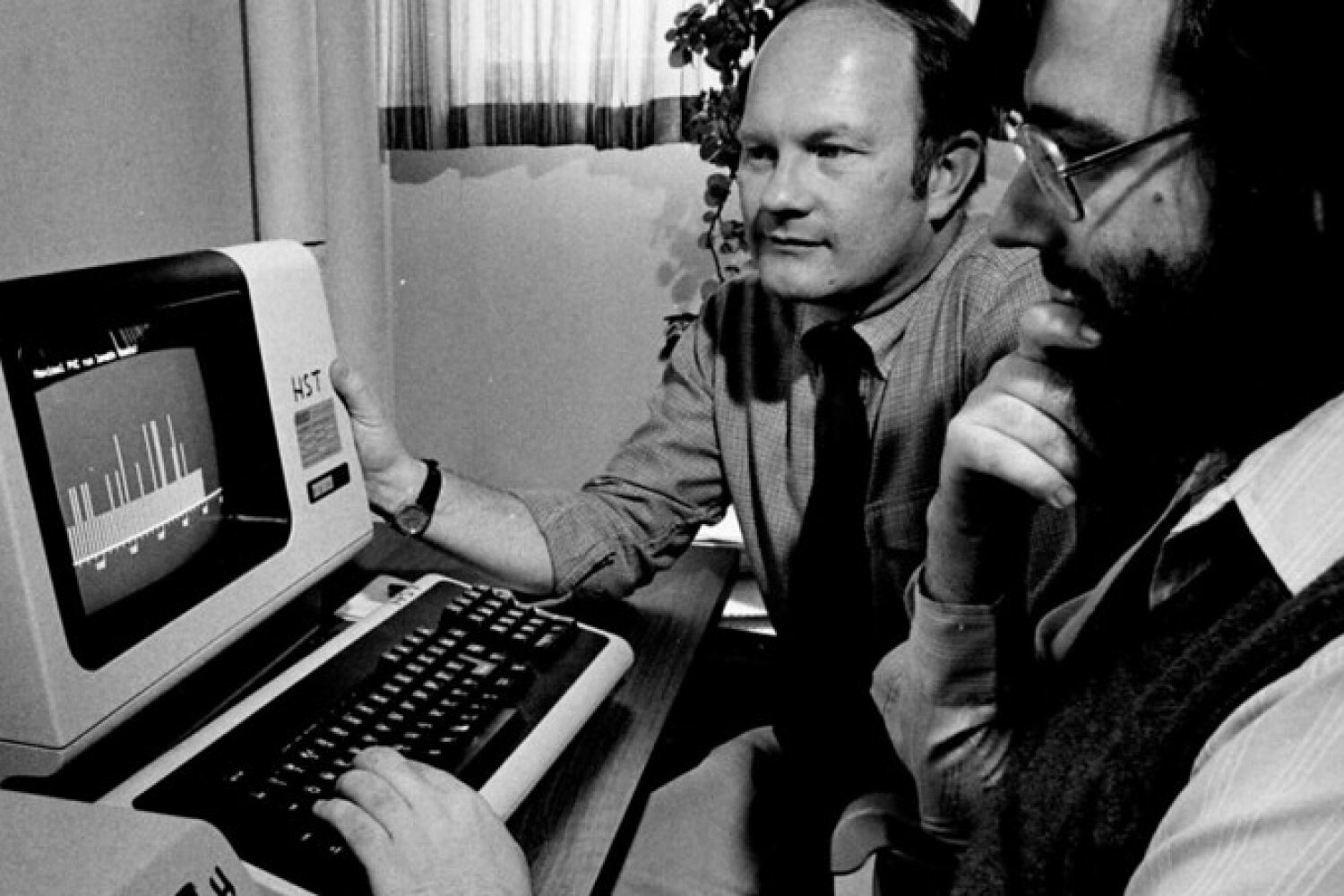
In 1975, researchers at MIT and Boston’s Beth Israel Hospital began collecting and digitizing electrocardiogram recordings. At the time, medical data remained isolated inside institutions, forcing investigators to assemble new datasets at considerable cost and making results harder to compare.
The team built computers, copied tapes individually and produced more than 100,000 annotations. The tapes were ready by summer 1980. Although the researchers expected fewer than a dozen users, they mailed roughly 100 copies over the following decade.
From magnetic tapes to an AI research platform
The collection became the first database on PhysioNet, founded in 1999 through the Harvard-MIT Program in Health Sciences and Technology. Distribution moved from tapes to CD-ROMs and FTP servers; the platform now hosts hundreds of databases, with much of its data and source code publicly available.
MIMIC, PhysioNet’s de-identified intensive-care records database, helped establish a model for curating hospital information for research. The repository subsequently expanded beyond ECG signals to electronic health records, medical imaging, software and AI models. Health-related machine-learning researchers now dominate its user community.
“PhysioNet lowers the fixed cost of trying ambitious ideas, and that changes what science becomes possible,” said UC Berkeley associate professor Ziad Obermeyer.
PhysioNet’s stewards are preparing a system through which users can annotate data and contribute specialist knowledge. Their goal is to connect clinicians, statisticians, computer scientists, pharmacists and nurses around datasets that can support useful algorithms.
Business implication
For businesses developing data-intensive products, PhysioNet demonstrates that durable advantage comes from curation, documentation and contribution mechanisms, not storage alone. Investing in reusable data infrastructure can reduce duplicated work, widen collaboration and make AI development faster to validate.