


Plural raises €1 billion for European early-stage moonshots
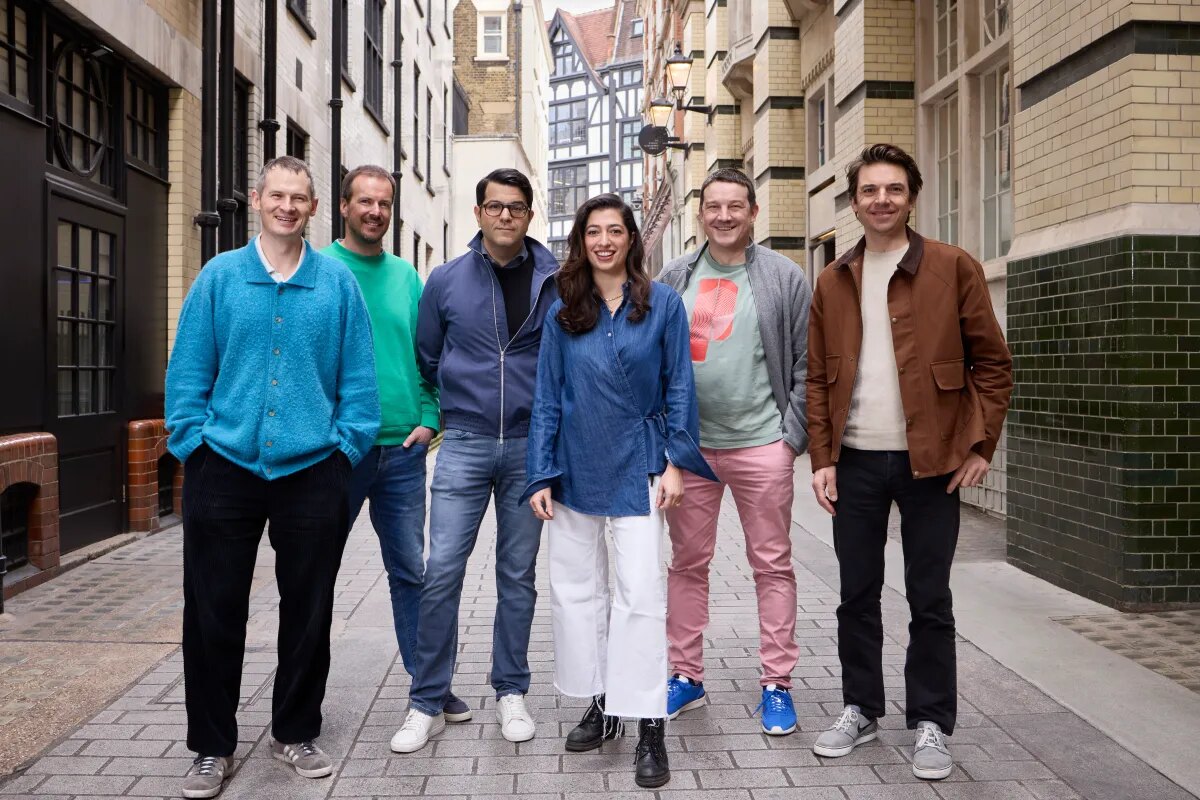
Operator-led venture capital firm Plural has raised €1 billion ($1.1 billion) in new capital to support European companies working in energy, AI infrastructure, defence, health and other capital-intensive fields. Two thirds of the capital will be deployed through Plural’s third early-stage fund, while the remaining third will sit in a new opportunities fund for selective follow-on investments.
Partners Khaled Helioui and Carina Namih said the two allocations are fixed, but investment cheque sizes are not. Plural intends to remain an early-stage investor while retaining the capacity to follow portfolio companies into substantially larger rounds. Helioui noted that some early-stage “moonshots” can require a couple of hundred million to get off the ground.
Early-stage strategy with follow-on capacity
The fundraise places Plural among a growing set of larger European investment vehicles, alongside Mundi Ventures’ Kembara and the EQT-managed Scaleup Europe Fund. Its structure reflects a market in which companies developing strategic technologies often require more capital than conventional software startups before they can reach commercial scale.
Plural’s existing investments include fusion company Proxima Fusion, space logistics business The Exploration Company and missile company Hypersonica. The firm will seek similarly ambitious opportunities across sectors that it sees as relevant to Europe’s energy, operational and manufacturing capabilities.
Helioui, who backed defence technology company Helsing at seed stage alongside two Plural partners, said Helsing is not an isolated example. He argued that founders who have already built and scaled businesses are increasingly motivated by Europe’s ability to defend itself, procure energy and retain control of operations and manufacturing.
European resilience shapes investment focus
Plural has offices in Tallinn, London and Paris. Its Tallinn presence played a role in the firm’s decision to invest in defence technology, Helioui said, pointing to differences in how urgently such issues are perceived depending on proximity to Russia’s border. Two of Plural’s six partners are Estonian Skype alumni: Wise cofounder Taavet Hinrikus and Teleport’s Sten Tamkivi.
The London office includes Helioui, Namih and Ian Hogarth. In Paris, Plural hired former Uber executive Pierre-Dimitri Gore-Coty as a full-time partner in October 2025. The firm said each partner will lead a small number of new investments annually, with portfolio companies receiving support in hiring, communications and finance.
What the raise means for founders
Namih said Plural sought to raise more of its capital from European limited partners. The shift toward European sovereignty and resilience has created favourable conditions for the firm’s thesis, even as institutional investors have historically been more inclined to back established financial profiles than founders seeking to disrupt them.
For businesses building capital-heavy technologies, the practical implication is clear: funding strategy needs to account for both the initial technical build and the larger financing rounds that may follow. Investors with dedicated early-stage and follow-on capital can be better positioned to remain involved as those requirements expand.