


Ramp data points to slower growth in AI spending despite rising usage
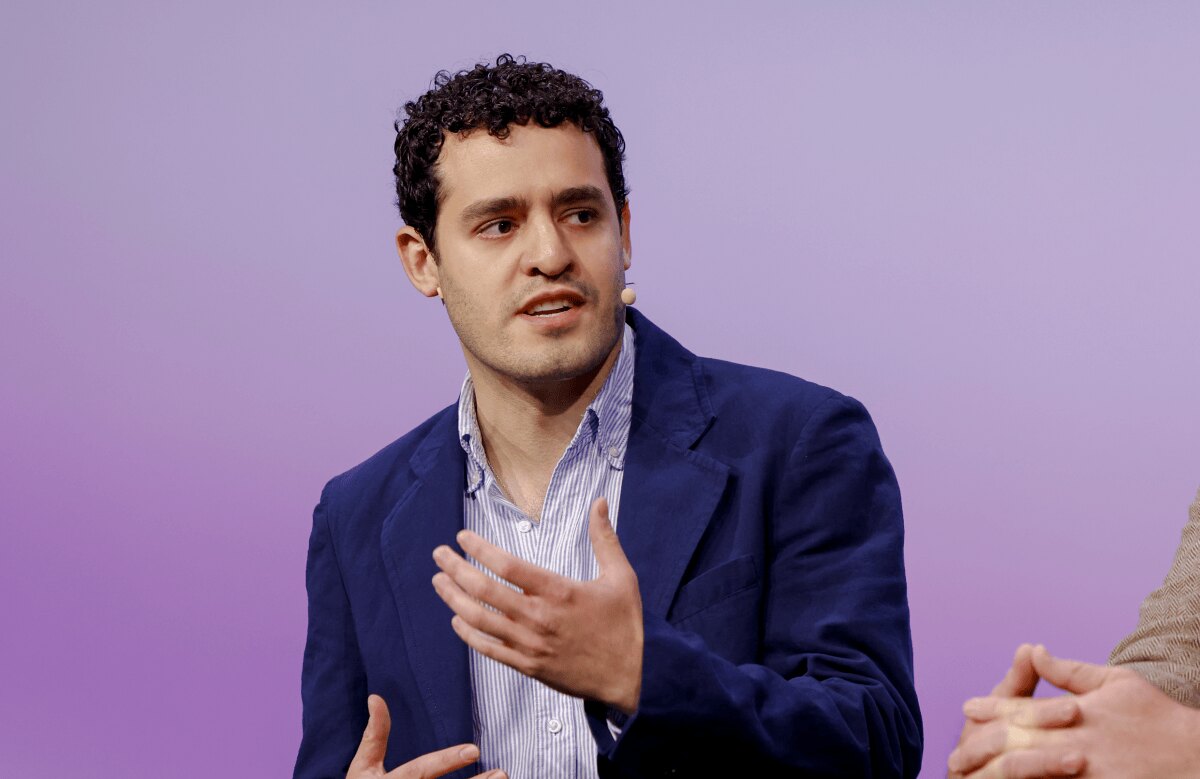
Ramp’s latest spending data indicates that corporate AI usage and AI revenue are beginning to diverge. Token spending grew only 1.5% across August and September, compared with 42% month-on-month growth in July, even as token volumes rose. Spending then re-accelerated by 8.9% between September 23 and October 23, but Ramp economist Ara Kharazian said the broader headwinds to spending growth remain significant.
The figures arrive as Anthropic prepares for a potential initial public offering and as investors reassess expectations for sustained hypergrowth among major model providers. Bloomberg reported that Anthropic’s potential valuation fell from an estimated $2 trillion in early October to $1.2 trillion to $1.3 trillion. OpenAI also lowered its proposed valuation to $1.25 trillion from $1.4 trillion and reduced its latest fundraising target by about $10 billion.
A small group of buyers drives spending
Kharazian said almost all AI spending comes from venture-backed, high-growth technology companies. The most AI-intensive 1% of firms had been spending close to $10,000 per employee per month at their summer peak, but their spending eased slightly in August and September. That change alone can slow overall revenue growth even when underlying model usage increases.
Ramp still recorded spending growth among median companies and those in the top 10% of buyers. Yet their levels are much lower: median firms spend roughly $12 to $15 per employee each month, while the top 10% spend about $600 to $1,000. Demand for coding agents is strong in software and finance, but Kharazian questioned whether sectors such as medical practices or car dealerships will need AI at the intensity seen among the biggest users.
The concentration of business demand is also relevant to the market split described by Anthropic and OpenAI business customer split between Anthropic and OpenAI among business customers, because a spending pullback by the heaviest users can outweigh broader adoption by smaller accounts.
Price competition changes the revenue equation
Ramp does not interpret the slowdown as a fall in demand. Instead, Kharazian points to intensifying competition and more efficient customer behaviour. OpenAI cut API prices in half for GPT-6 Sol and GPT-6 Luna in September. Anthropic also reduced prices for Fable 5.1 and Opus 5.5; the company said in a recent filing that the decision reduced revenue growth by about $600 million.
Enterprise discounts are intended to secure customer commitments, but they also constrain revenue. Meta and Nvidia are introducing enterprise offerings with inexpensive or open-source models, while other open-model providers in China and the United States add to the choice available to buyers. Kharazian also cited Jev, a lightweight tool that selects among predetermined outputs, as an increasingly prominent Ramp performer for workloads that only require a simple answer.
More tokens can cost less
Companies are also becoming more disciplined in how they deploy models. Kharazian said advanced users increasingly set defaults that avoid expensive models for long-running tasks, impose employee budgets and route workloads from standard or light models to even cheaper options. Notion co-founder Akshay Kothari summarised a similar internal pattern: token use rises while costs fall.
The data does not rule out future spending growth if new commercially important AI products emerge. However, Ramp’s figures show that usage alone is not a reliable proxy for provider revenue. Businesses evaluating AI programmes should track workload volume alongside model prices, routing decisions, discounts and per-employee costs, because higher adoption can coincide with lower unit spending.