


Safeworld launches with $12m-plus to simulate AI robot safety
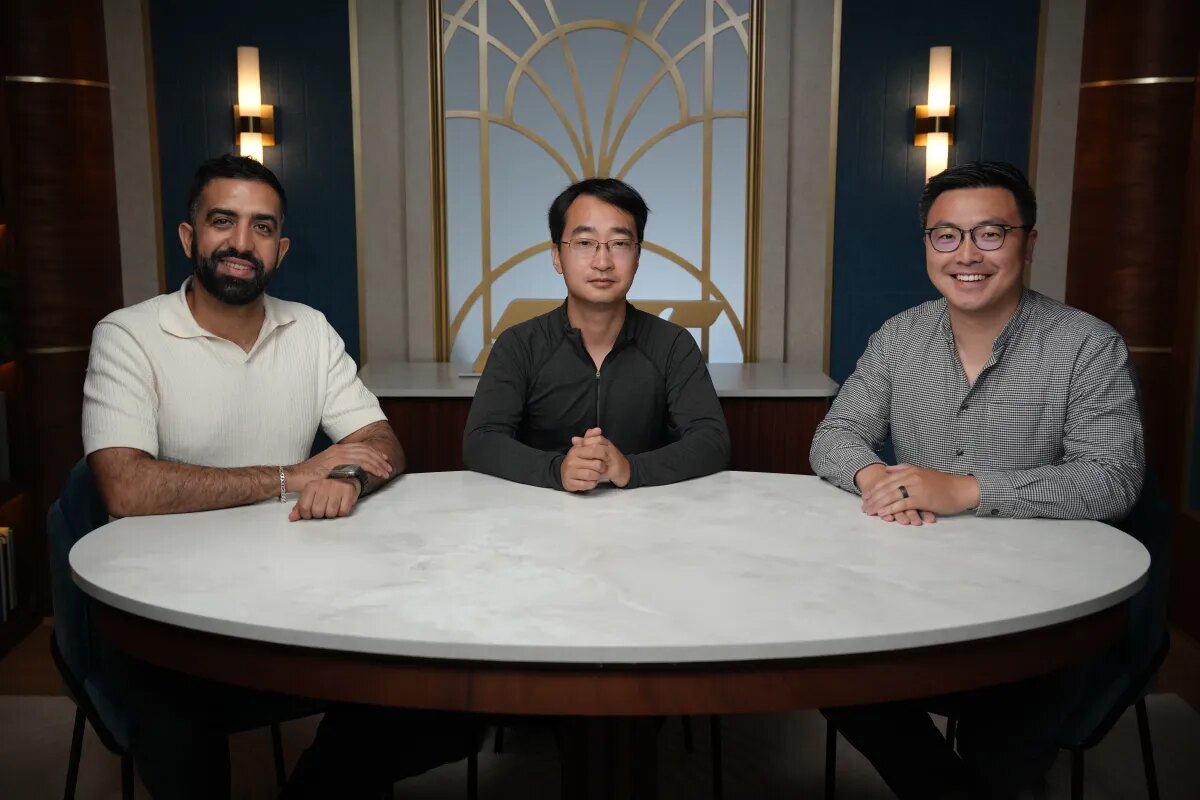
Safeworld has emerged from stealth with a seed round of more than $12 million to evaluate the safety of robots controlled by generative AI. The company was founded by Dr. Ding Zhao, director of the Safe AI Lab at Carnegie Mellon University, alongside startup executive Kyle Wong and machine learning engineer Simo Rachidi.
Shine Capital and a16z Speedrun led the financing. Box Group, Carnegie Mellon University Endowment, Innovation Endeavors and SV Angel also invested. Safeworld is building simulations intended to test how a robot’s real control software behaves when it encounters people in realistic environments.
Testing probabilistic systems around people
The company is focused on a challenge that differs from conventional robotic programming. Generative AI-based control systems are probabilistic rather than predictable in the way traditional algorithms are, creating questions about how their risks can be evaluated and how their behaviour can earn trust before deployment.
Safeworld plans to construct digital versions of specific workplaces in simulation tools such as Genesis or MuJoCo. It can place a simulated robot in a setting such as a factory blind corner, run the robot’s real software, and execute thousands of encounters with human models. The aim is to examine questions including whether the robot can detect a worker carrying boxes and what speed or stopping distance could prevent a collision.
The simulations also cover people tripping and falling. Such situations are difficult to recreate repeatedly in physical tests, while workers can vary in appearance, clothing, height, shape and posture. They may be standing, kneeling, crouching, running or falling, and robots operating beside them must respond to that range of conditions.
Third-party validation for robot deployments
Safeworld’s approach resembles internal testing used by robot developers and the simulation work associated with autonomous vehicles. Zhao argues that robotics poses a distinct problem because robots work in unstructured environments and individual facilities may apply different safety standards.
The founders also believe robot makers may seek an outside evaluator, both for specialist testing and for sharing safety-case information across competitors. Jonathan Lai, a partner at a16z Speedrun, said the industry should establish safety standards while robots are still being designed and deployed, rather than after safety incidents in households.
Early partner in industrial solar work
Gritt Robotics is partnering with Safeworld while developing safety simulations. Gritt is developing an AI brain for robots that assist workers installing photovoltaic panels at industrial-scale solar farms and may later undertake more complex construction tasks.
Gritt CTO Vishal Dugar said such systems cannot readily be proven safe solely through equations and formal verification; the work must be done empirically. For businesses planning robots alongside employees, the implication is to test site-specific human interactions and edge cases before operational deployment, rather than relying on controlled demonstrations alone.