


Serve Robotics launches Physical AI Services for robot developers
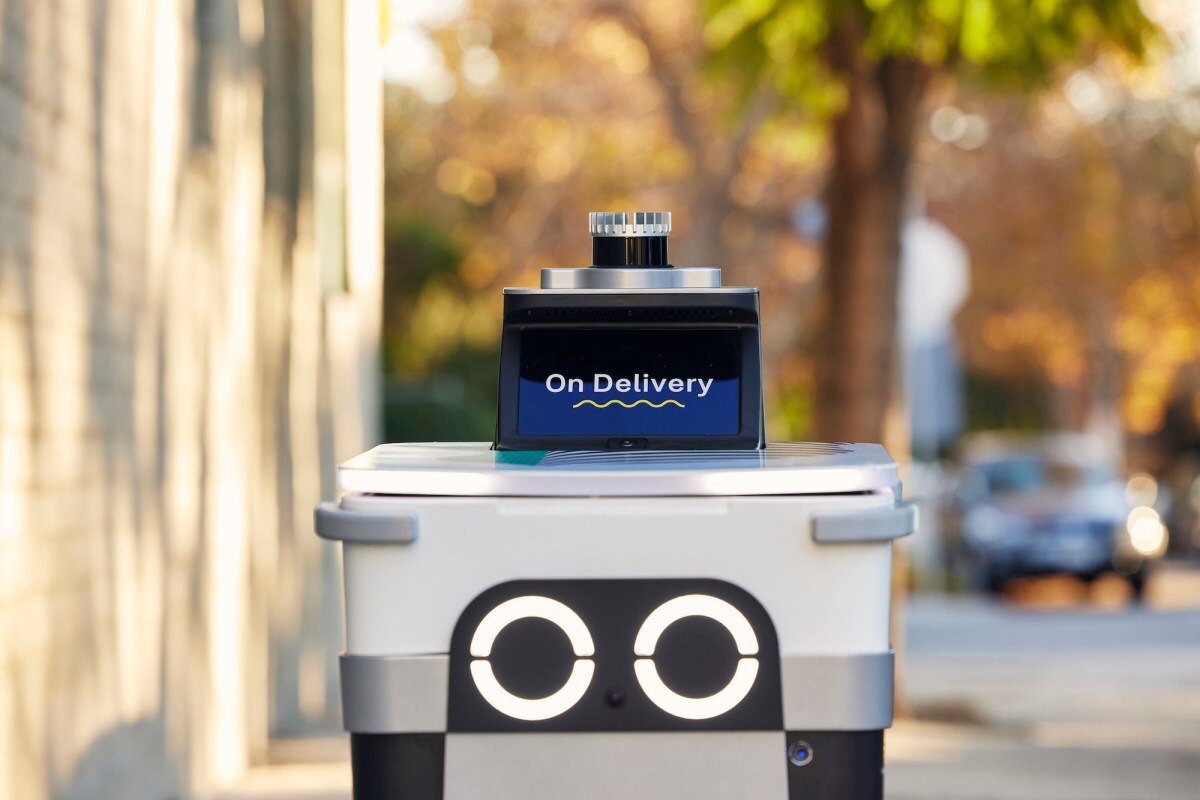
Serve Robotics has launched Physical AI Services, a new business line that will sell connectivity and data tools to companies building robots. The company, known for autonomous sidewalk delivery robots and hospital robots acquired through Diligent Robotics, named construction-automation startup Bedrock Robotics as a customer and said it is working with T-Mobile to bring AI computing power closer to robots.
The expansion does not replace Serve’s delivery operations. Chief executive and co-founder Ai Kashani said the company will continue its existing robot businesses while making technology developed for its own fleet available to developers working on robots for farms, warehouses and other uncontrolled environments.
Three products for connected robotic fleets
Physical AI Services begins with three products. Serve Link is designed to connect robots in the field to AI systems in data centres. The model could let customers use more powerful AI models without placing all of the required compute hardware on the robot itself.
Kashani said robotic applications generally need a link to offline intelligence, whether to collect data or handle exceptions. The connectivity layer must maintain reliable connections even when the available networks are unreliable, which is the problem Serve Link is intended to address.
The second product is a data curator tool. It helps companies identify edge cases within the large volumes of real-world data gathered by robots, then feed those cases back into training models to improve performance. The third is a real-world foundation-model data catalog created from Serve’s own sidewalk robot fleet and intended to help AI models understand complex human environments.
From robot operator to technology supplier
Serve spun out of Uber’s acquisition of Postmates in 2021 and became a public company in 2024. Its sidewalk delivery operation is expanding while shifting away from Uber toward other partners, including DoorDash and Wonder.
Kashani compared the strategy with Amazon opening internally developed technology for other companies to build upon. He said an end-to-end application is necessary when a technology is nascent because it reveals what needs to be built; as the technology advances, more companies may seek comparable capabilities.
For businesses developing robotic systems, the launch highlights a practical choice: evaluate whether a supplier’s field-tested connectivity, data curation and real-world datasets fit the operational needs of their fleet, while retaining responsibility for how those tools are integrated into their own robots.