


SoftBank takes multibillion-dollar hit on AI data-center turbine orders
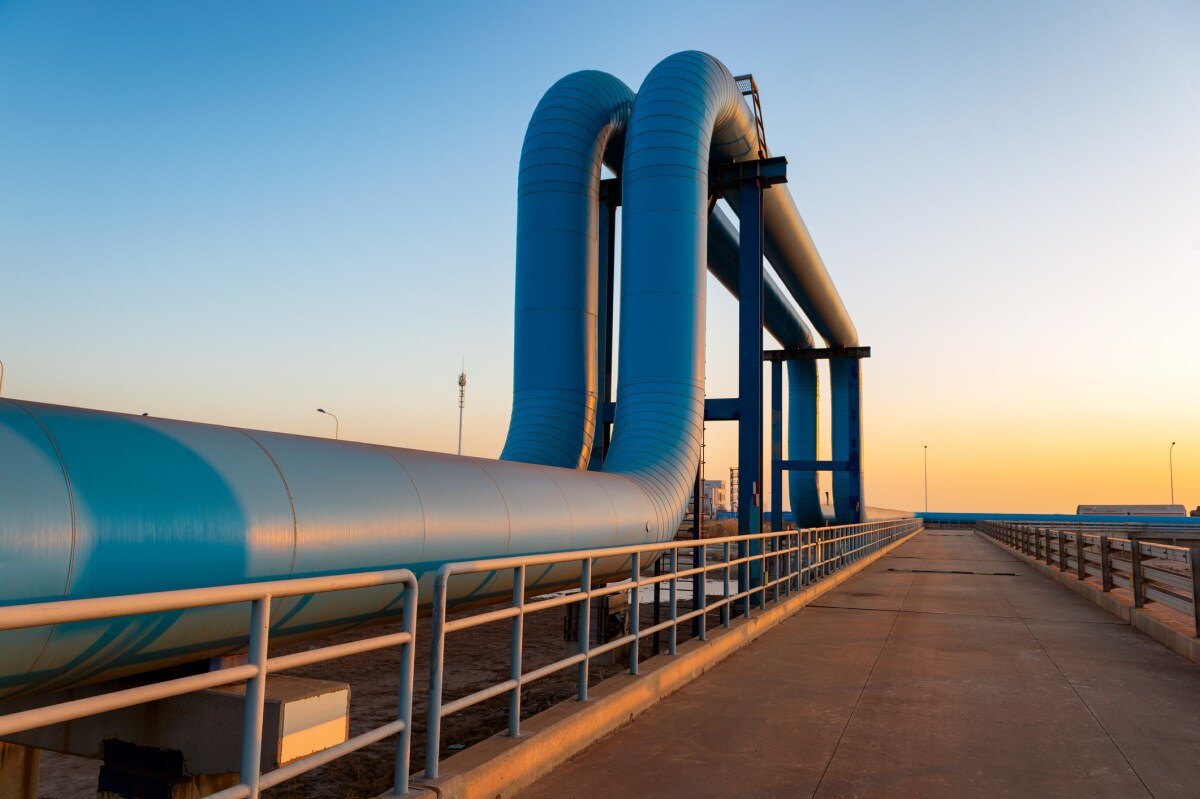
SoftBank has reported a $7.1 billion quarterly loss, with more than half of the total linked to power-generation equipment acquired for its natural-gas plans supporting AI data centers. The company had committed to turbine orders through its SB Energy subsidiary as demand for computing capacity drove concern over available electricity supply.
Starting about two years ago, SoftBank reportedly placed deposits for more than 13 gigawatts of turbines—almost 50% beyond the capacity it needed. In February, SB Energy also announced plans to spend $33 billion on a 9.2-gigawatt natural-gas power plant. The strategy was designed to secure equipment quickly in a market where turbine order queues now reach into the early 2030s.
Deposits became an expensive capacity hedge
SoftBank paid nonrefundable deposits to reserve turbine production slots, but now considers much of that equipment-related commitment worthless. More than $3 billion of the quarterly loss reflects the scale of the misplaced bet on the natural-gas buildout.
Peter Gardett, CEO of Noreva, said SB Energy had little choice but to overbook future turbine capacity if it wanted turbines promptly. The approach reduced the risk of being unable to obtain equipment, but it also meant SoftBank paid for substantially more capacity than it ultimately required.
The episode illustrates the unusual procurement conditions created by AI infrastructure expansion. Faced with lengthy grid-interconnection waits, hyperscalers and developers have looked to natural gas as a familiar, dispatchable source of on-site or dedicated power. SoftBank sought to use its financial capacity to reserve a meaningful share of the constrained turbine market.
Grid and batteries remain part of the calculation
Natural gas can provide a measure of energy security, but it also carries operational risks. Brent Nelson, senior managing director of markets and strategy at Ascend Analytics, noted that supplies can be curtailed in winter when demand rises. Operators are also learning more about the actual power requirements of AI data centers as facilities remain in service.
Nelson said many data centers could be better served by a grid connection, even if it is smaller than the connection they would ordinarily request. Large batteries can then help reduce peak demand and support operations when utilities ask customers to curtail consumption.
What the loss means for infrastructure planning
SoftBank’s write-down is not expected to trigger broad cancellations of gas power plants, because AI-related electricity demand remains substantial. Natural gas therefore continues to play a role in the market, even as the company’s loss signals limits to aggressively pre-buying generation equipment.
For businesses planning data-center capacity, the practical implication is to align turbine, grid and storage commitments with verified operating needs, rather than treating scarce equipment reservations as a substitute for a flexible power strategy.