


Supermarket Refrigeration Attacks Spoil Food Across Europe
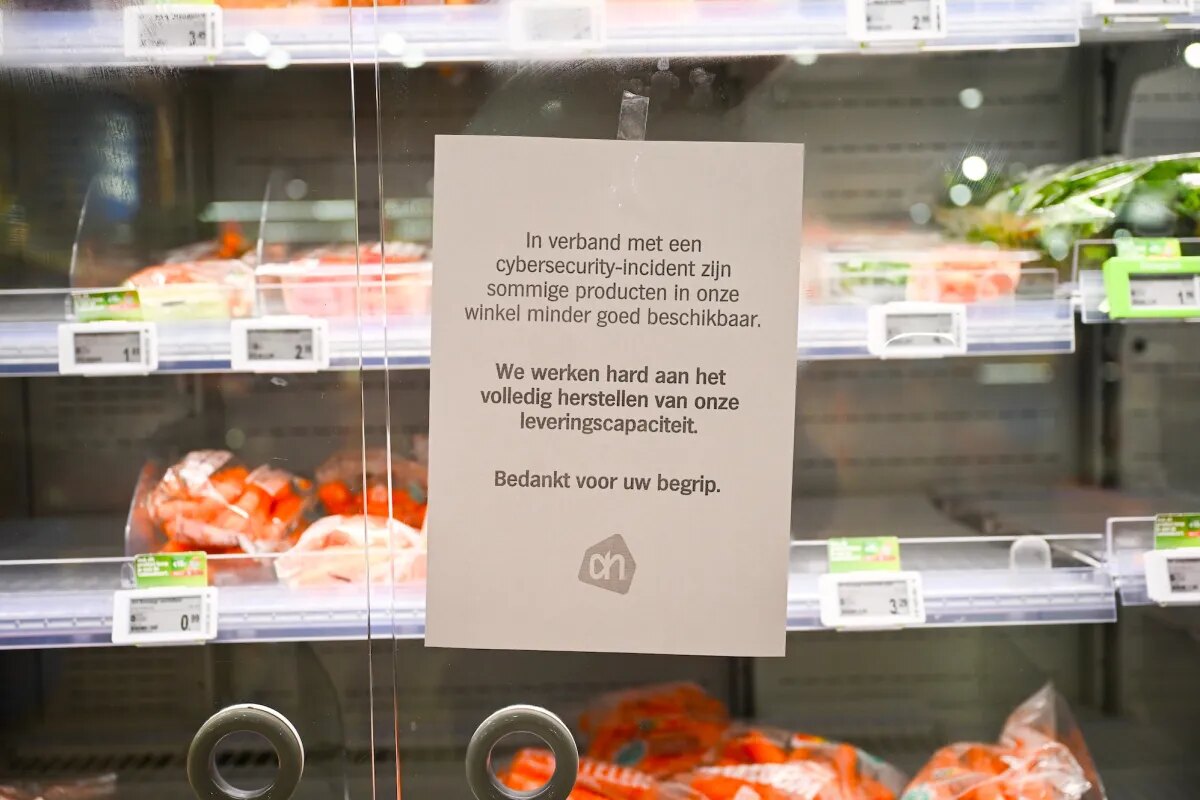
A suspected second wave of cyberattacks has disrupted supermarket refrigeration in Belgium, Ireland, Luxembourg and Sweden, causing food to spoil at dozens of stores. Ahold Delhaize and Colruyt confirmed the incidents overnight, while a Belgian company operating Delhaize systems said attackers altered settings to trigger defrosting.
The immediate effect was physical rather than merely digital: supermarkets had to discard goods that had defrosted or could no longer be sold for consumption. The cases show how a compromise of connected operational equipment can turn an IT security failure into stock losses and disruption at store level.
Refrigeration systems become an operational target
The latest incidents follow refrigerator attacks in France last month that caused food spoilage at hundreds of supermarkets. In those cases, attackers deliberately increased the temperature of refrigeration units, creating a direct risk to perishable inventory.
Security researchers identified internet-connected refrigerators made by Danish company Danfoss as the cause of the earlier hacks. The affected units were no longer receiving security updates. Claroty had warned in August that these refrigerator systems were exposed to risks of remote compromise and outages.
The reported pattern matters because refrigeration equipment is commonly treated as building or retail infrastructure, yet connected units can expose settings that affect temperature control. Altering those settings can force defrosting or raise temperatures without requiring an attacker to enter a store physically.
Food supply consequences extend beyond the device
The supermarket incidents underline the real-world impact of cyberattacks on the food supply chain. Discarded stock is an immediate consequence, but operational disruption can also affect replenishment, store procedures and the availability of temperature-sensitive products.
A comparable disruption occurred in 2025, when a cyberattack on food distributor UNFI resulted in shortages and empty shelves at grocery stores and supermarkets across the United States. The European refrigerator incidents add another example of how digital failures can reach food distribution and retail operations.
What businesses should take from the incidents
Organizations using connected refrigeration, facilities technology or other operational devices need to identify systems that are internet-accessible and determine whether vendors still provide security updates. The Danfoss cases illustrate the exposure created when equipment remains connected after its supported update lifecycle has ended.
Businesses should also establish procedures for detecting unsafe setting changes and for operating equipment when connected controls are unavailable. Maintaining an inventory of connected assets, verifying update support and preparing manual fallback processes can help limit food loss when a cyberattack affects physical operations.