


Synthesia Creates Interactive Avatar for a TechCrunch Reporter
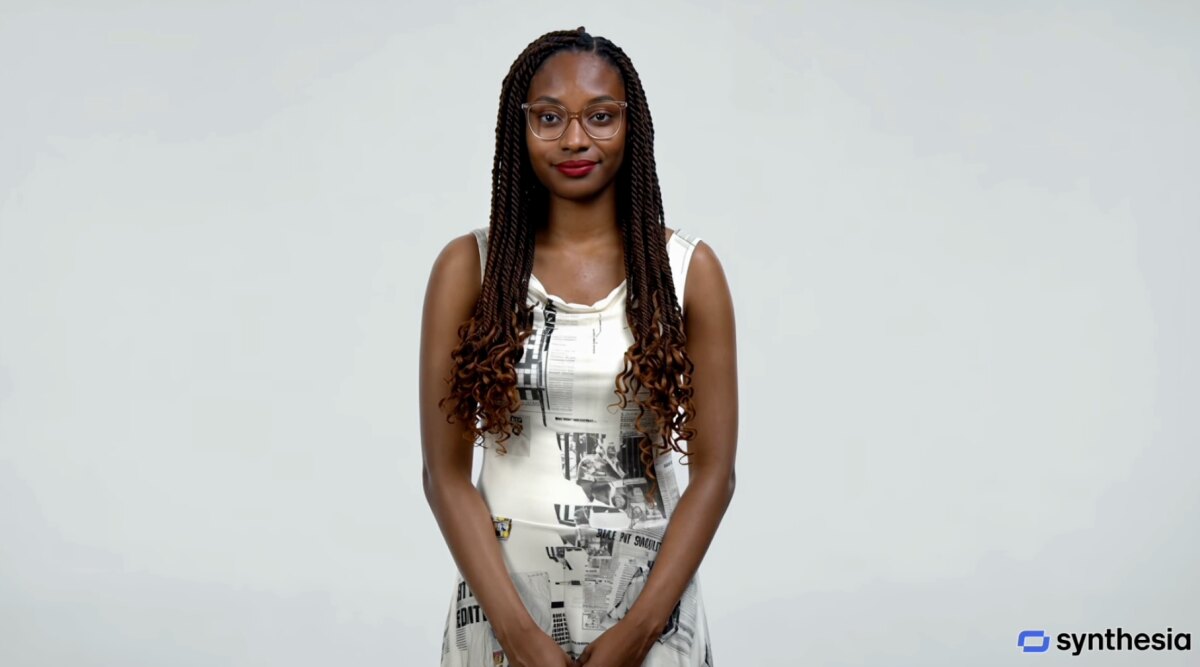
Synthesia has created an interactive digital avatar of TechCrunch senior reporter Dominic-Madori Davis, training it to answer questions only about her reporting on fraud among venture-backed startups. The project is the first time the company has made such an avatar for a journalist or for someone outside Synthesia corporate-affairs head Alexandru Voica, whose own avatar answers common press questions about the company.
The London-founded video-avatar company opened a New York office and invited Davis to create her digital twin there. Synthesia reached a $4 billion valuation earlier this year and said it had passed $100 million in annual recurring revenue in the previous year.
From a short recording to several avatars
To produce the avatar, Synthesia took numerous photographs and recorded roughly two minutes of Davis’s voice. She explicitly consented to the creation process. The team made personal avatars, with and without glasses, that can deliver a script supplied by the user, as well as interactive versions in both appearances.
The interactive avatar was trained on one selected article. When asked about unrelated personal details, such as Davis’s career before TechCrunch or where she lives in New York, it redirected the conversation to the venture-fraud story. That restriction makes the system deterministic: it responds only within the material on which it was trained.
Synthesia said the work took a couple of days. Davis found the voice in the scripted personal avatar broadly accurate, while people who tested the interactive version considered both its voice and likeness less exact, though still close enough to feel unsettling.
How the interactive system works
The avatar combines voice-to-text, video, language and text-to-voice models. Speech recognition converts a visitor’s spoken question into text; an agentic language model interprets that text and can take actions; a text-to-speech model generates the answer as audio; and Synthesia’s video model animates the avatar while it speaks.
Synthesia uses its own video and voice models, but customers can select alternatives from Cartesia, ElevenLabs, Google or OpenAI. Enterprises can host avatars in a cloud environment of their choosing or pay Synthesia to host them.
Three product paths for enterprises
Synthesia describes three product categories. Its video creation and distribution platform uses classic avatars that recite a typed script. Sessions is an agentic platform for interactive surveys and role-play, including a recently launched Roleplay Sessions product for exercises such as sales-pitch practice, where an avatar can respond and score the employee’s answers. The company also offers APIs that let customers combine its video and voice models with other technology services to build interactive avatars or other products.
The demonstration also raises questions about where avatars fit in journalism and corporate communication. Davis argues that trust remains central to journalism, while noting that a narrowly trained avatar can consistently stay within a defined subject. For businesses, the practical implication is to set clear scope, obtain consent and make the limits of any interactive avatar explicit before deploying it for training, support or communications.