


TechCrunch Disrupt 2026 pass savings end September 25
Disrupt 2026 discount deadline approaches
TechCrunch says attendees have two days left to save up to $200 on a pass for TechCrunch Disrupt 2026. The discounted pricing ends on September 25 at 11:59 p.m. PT, ahead of the event’s October 13–15 run at Moscone West in San Francisco.
Buyers can also add a second ticket of the same type at a 50% discount. Groups of four or more can save up to 30%, TechCrunch said. The event is positioned around practical discussions for founders, investors, operators and technology leaders rather than broad predictions about the sector.
Programme centres on operating decisions
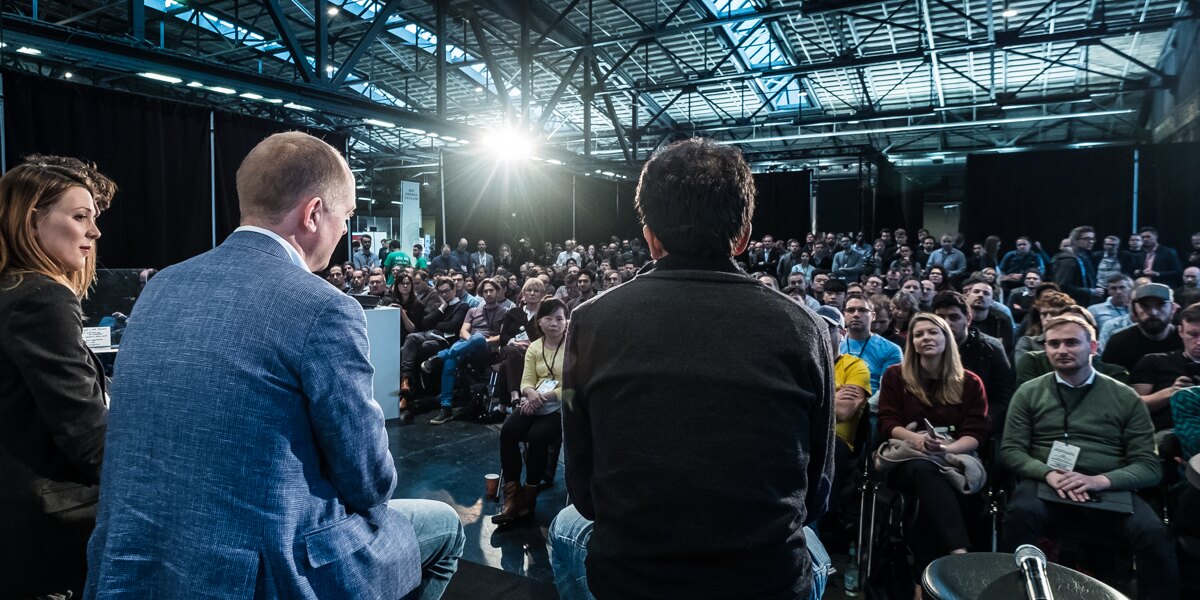
Across three days, Disrupt will host more than 200 sessions across six stages, as well as roundtables and breakouts. The Builders Stage will focus on fundraising, hiring, product-market fit, product strategy and growth, while smaller roundtables are intended to support more interactive discussion.
The agenda includes questions about competing when AI platforms enter a category, attracting AI talent, pricing AI products sustainably, product differentiation, distribution and the point at which mergers and acquisitions should become part of a company’s strategy. Other areas include AI agents, enterprise adoption, fintech, infrastructure, robotics, energy, security and the economics of building technology companies.
For businesses tracking the event’s pricing cycle, Disrupt 2026 pass-sale timetable puts the current September 25 deadline in the context of the pass-sale timetable, while the new announcement shifts attention to the programme’s fourth stated reason to attend: practical answers to current operating problems.
Speakers and formats target direct questions
TechCrunch says more than 250 leaders will participate, including founders, venture capitalists and operators from Anthropic, OpenAI, Rivian, Cerebras and Replit. Mark Wahlberg is also listed as a featured guest.
For companies raising capital, the sessions are designed to surface how investors move from an initial meeting towards a term sheet. Builders can compare approaches to differentiation, AI economics, hiring and scale, while investors can examine how operators are adapting companies and identifying emerging problems and markets.
The practical implication for a business is to select sessions around an active decision, use roundtables and breakouts to ask focused questions, and return with actions that can inform product, hiring, financing or growth choices.