


TerraPower Plans Data Center Project Using Natrium Heat Storage
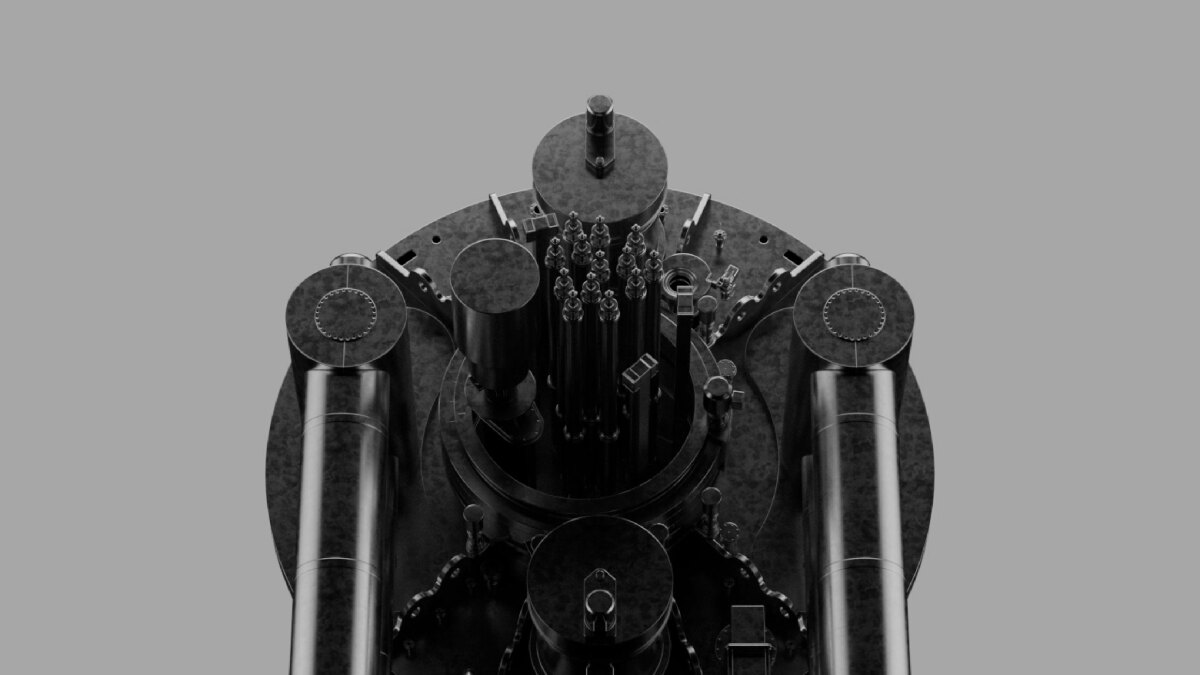
TerraPower plans to announce its first data-center project this year, Bloomberg reported. The project is expected to break ground in 2027 and would be the company’s second power plant after its first Natrium facility, now under construction in Wyoming. TerraPower has not identified the customer. In January, however, Meta agreed to buy eight Natrium power plants.
The proposal centres on TerraPower’s 345-megawatt molten salt-cooled reactor and a thermal-storage system designed to make nuclear output more flexible. Rather than repeatedly raising or lowering the reactor’s own output, the plant can keep producing heat and store surplus heat in a large tank of molten sodium.
Heat storage changes the operating model
When electricity demand rises, the stored heat can generate additional steam to drive turbines. When demand is lower, the reactor can continue splitting atoms while excess heat is retained. This arrangement keeps expensive nuclear equipment operating for more hours while offering a way to respond to changes in required electrical output.
That capability was originally intended to help the plant work alongside intermittent renewable generation such as wind and solar. It may also fit data-centre demand, where AI training and inference workloads can change rapidly as GPUs respond to tasks. The broader constraint is captured in AI power infrastructure constraints, where AI’s growing dependence on available power is central to the infrastructure discussion.
Why data-centre loads are difficult for reactors
Conventional nuclear plants are most effective when operating steadily at high output. In the United States, nuclear reactors have a 92.5% capacity factor, the highest among generating technologies. Yet existing reactors can generally increase or decrease output by only about 5% of rated capacity per minute, the National Laboratory of the Rockies says.
Small modular reactors can respond faster, at about 10% of rated output per minute, but operating below full capacity remains financially unattractive. Nuclear generation also carries the highest capital expenditure of any generating technology. Startups hope factory production of SMRs will reduce those costs, though the approach has not yet been proven and any benefits may take a decade or more to emerge.
For data centres supplied behind the meter, sharp load swings can be especially problematic. The source notes that natural-gas turbines have been breaking under the stress, while large battery banks can smooth demand at an added cost. TerraPower’s stored-heat approach is intended to provide flexibility without requiring the reactor itself to follow every fluctuation.
Business implication
For operators evaluating dedicated power for AI infrastructure, the relevant question is not only a plant’s nameplate capacity. They should assess whether its storage and turbine configuration can match variable computing demand while allowing the core generating asset to run consistently.