


Texas Requires Audits for New Data Centers as Grid Queue Reaches 474 GW
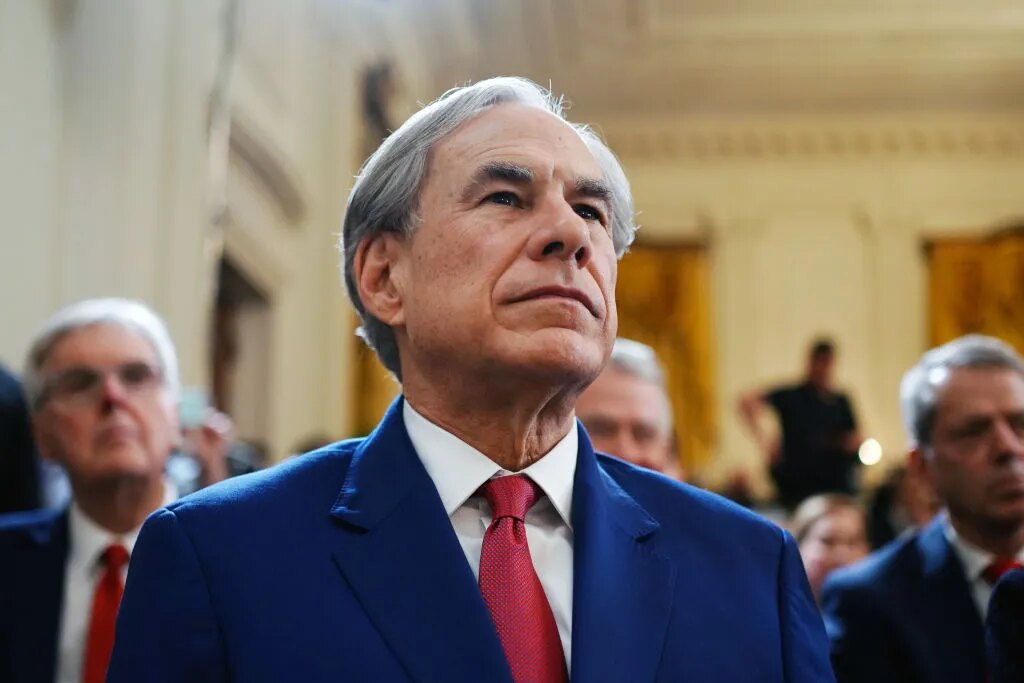
Texas Governor Greg Abbott has ordered the Public Utility Commission of Texas and the Electric Reliability Council of Texas to audit every new data center project seeking to develop in the state. ERCOT is now tracking 474 gigawatts of new grid connection requests, up from 233 GW in January, and says data centers account for about 90% of the queue.
The total is more than five times ERCOT's peak electricity demand. Not every application represents a project that will be built: with grid connection queues stretching out, developers often apply early, and many proposals later fall away. Even so, the scale of demand has prompted Texas to require more evidence before projects proceed.
What the audits will examine
Abbott directed PUCT and ERCOT to collect details on proposed facilities' on-site and off-site electricity and water requirements. Reviews will also cover noise mitigation, lighting controls, the use of tax incentives and ownership information.
The mandatory process follows an unsuccessful attempt to gather similar information voluntarily. Abbott had asked data center operators to complete a survey, but most did not respond, leading the governor to compel disclosure through audits.
The action marks a notable shift for a state known for relatively light development rules and a business-friendly regulatory environment. Texas has attracted technology companies and developers with comparatively affordable electricity, loose regulation and access to natural gas. It now hosts more data centers than any US state except Virginia.
Power supply and price pressure
Natural gas reserves have helped draw operators including Google and Microsoft. The growing relationship between dedicated gas generation for Microsoft data centers also illustrates why power supply has become a central consideration in large data center development.
Renewable generation has also helped ERCOT keep up with rising electricity consumption. The Energy Information Administration says wind and solar contributed to meeting demand, while utility-scale solar capacity increased fourfold between 2021 and 2025.
Texas electricity prices declined during much of that period, an Amperon report found, and remain relatively affordable compared with other states. However, prices have recently been rising. The EIA identifies electricity consumption from data centers and cryptocurrency mining facilities as a contributor to that increase.
What businesses should prepare
The audits do not establish that all 474 GW of requested capacity will connect, nor do they amount to a permanent ban. They do mean that data center proposals will face structured scrutiny from both the state utility regulator and the grid operator before moving forward.
Companies evaluating Texas sites should therefore prepare verifiable projections for power and water use, alongside documentation covering ownership, incentives, noise and lighting. Grid applications should be treated as an initial position in a heavily oversubscribed queue, rather than confirmation that capacity is available for a planned facility.