


Texas home battery leases fall as virtual power plants expand
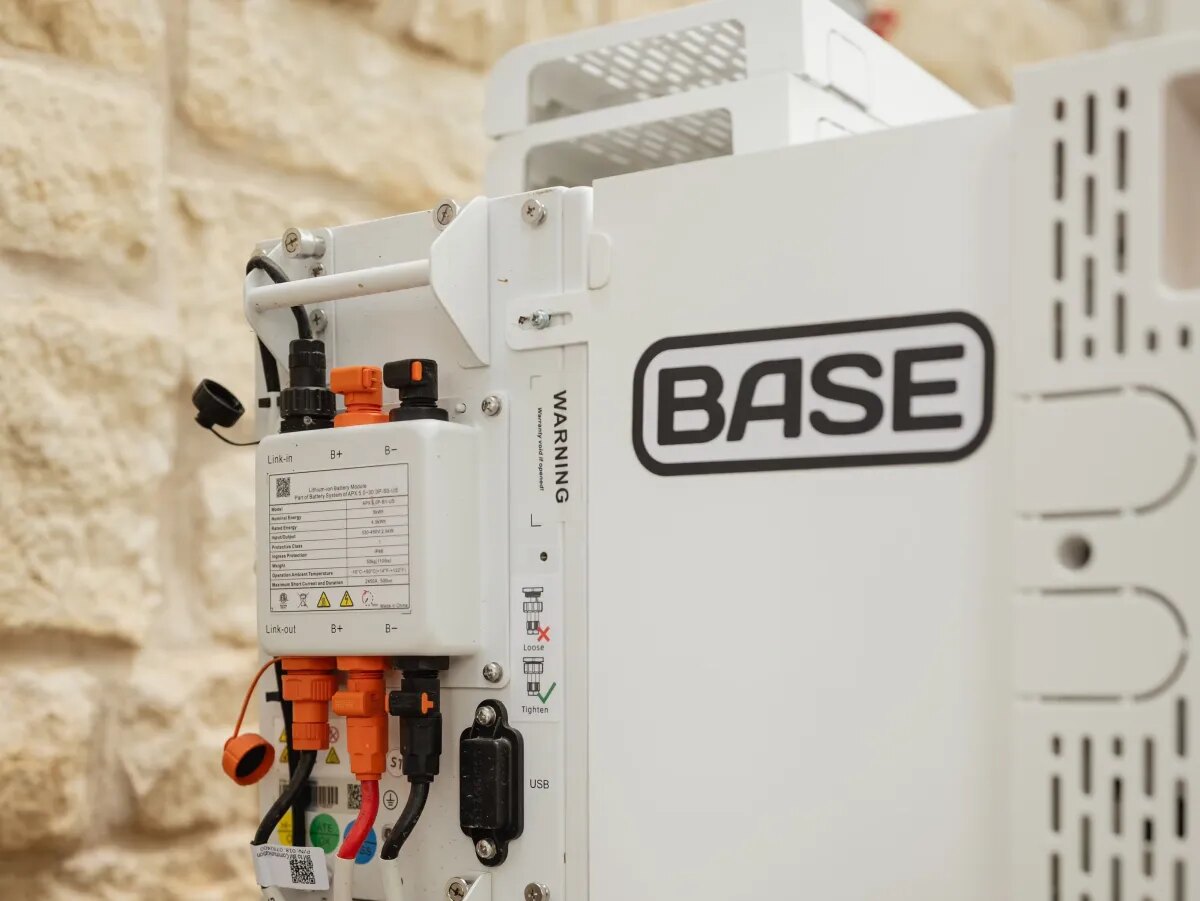
Tesla and Base Power are cutting the cost of home battery access in Texas, using lease plans built around virtual power plants (VPPs). Tesla now offers 27 kilowatt-hours of Powerwall capacity for $35 per month, while Base Power offers 39.2 kilowatt-hours for $19 per month. The figures are a marked contrast with the more than $10,000 typically required to install a home battery system.
The offers reflect intensifying competition in residential storage. Tesla has long led the market with Powerwall, but Base Power has raised $2 billion in less than a year and is expanding its deployment fleet. The lower monthly pricing is enabled by declining battery costs and by the ability to earn revenue from coordinated battery fleets.
Why virtual power plants change the economics
A VPP aggregates distributed energy resources, including household batteries and sometimes water heaters, and coordinates them as if they were one large power plant. Utilities and grid operators can call on that pooled capacity when electricity demand is high.
Rather than treating a battery solely as household backup, a VPP operator can charge it when electricity is cheaper and sell stored power back to the grid when prices rise. The operator retains part of the proceeds and can share value with customers through lower electricity prices, lower battery costs, or both.
That model offers an alternative to building peaker plants, which are specialised facilities used during demand spikes, or paying large industrial customers to reduce consumption temporarily. Grandview Research puts the VPP market at $7.4 billion today and expects it to exceed $30 billion by 2033.
Faster capacity close to demand
Distributed batteries can also be assembled faster than conventional generation. Base Power has agreed with North Texas electricity cooperative CoServ to build a 100-megawatt VPP. Tim Pianta, Base Power’s head of utility partnerships, said a conventional power plant of that size could take two to four years to reach operation, while the company is aiming to install the VPP in under 12 months.
Base Power is installing 8 megawatt-hours of batteries each day and aims to double that rate by year-end. Its growth follows Base Power’s billion-dollar home battery expansion and demonstrates how residential battery fleets can become a source of grid capacity rather than isolated household equipment.
Demand growth brings a new use case
Rising electricity demand from AI data centres and wider electrification is increasing utility interest in VPPs. Nicole Tomasin, chief commercial officer at Energy Access Innovations, said hyperscalers and data centres are increasingly focused on interconnection speed, where a distributed fleet can be assembled in months while grid queues can take years.
For businesses evaluating storage, the practical implication is to examine not only battery capacity and backup capability, but also the VPP terms: dispatch rights, payments, electricity tariffs and the role the asset can play in local grid constraints.