


Accel Reportedly Discusses $1B Thinking Machines Financing
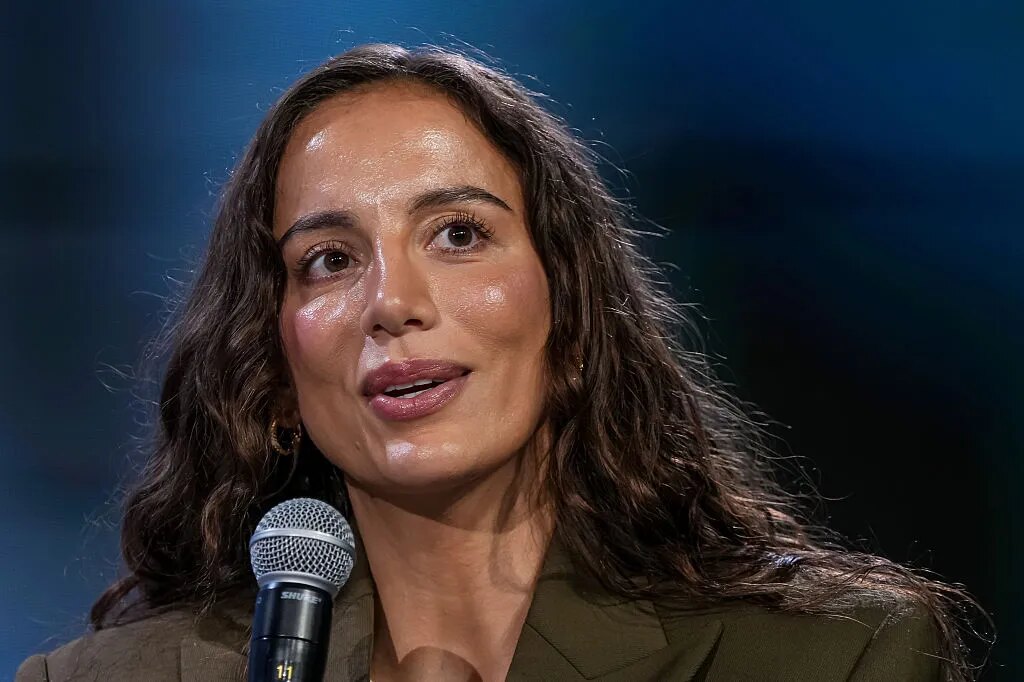
Thinking Machines, the AI lab founded in early 2025 by former OpenAI CTO Mira Murati, is reportedly in discussions to raise $1 billion at a valuation of at least $40 billion. Existing investor Accel is in talks to lead the financing, The Information reported.
The company’s annual revenue run rate exceeds $100 million, according to a person familiar with its financials. At the reported $40 billion valuation, that revenue level would imply an exceptionally high revenue multiple. Accel and Thinking Machines did not immediately respond to requests for comment.
A lower figure than the earlier target
If completed, the round would value Thinking Machines below the $50 billion valuation it was reportedly seeking late last year. The gap matters because the company has already established one of the largest seed financings in the AI sector.
Its earlier $2 billion round valued Thinking Machines at $12 billion. Andreessen Horowitz led that investment, alongside Nvidia, GV, Lightspeed and Conviction Partners. Investors were drawn in large part by Murati’s background and the former OpenAI researchers who joined the lab.
Product monetisation and team changes
In July, Thinking Machines launched Inkling, an open-weight model. The company generates revenue by charging usage-based compute fees when customers adapt models using proprietary data through its Tinker platform.
The lab’s product direction followed the launch described by Thinking Machines interactive model launch as it framed interactive models and AI control as part of its work. Since the earlier financing, however, several high-profile employees have departed, including co-founders Lilian Weng and Luke Metz, who returned to OpenAI.
What the reported deal would signal
A $1 billion round at the reported level would demonstrate continued investor willingness to finance a young AI lab at a valuation far ahead of its stated revenue base. It would also put more attention on whether usage-based compute fees from Tinker and Inkling can support the business case attached to that price.
For businesses assessing AI suppliers, the practical implication is to distinguish the scale of a vendor’s fundraising from the evidence of product adoption, pricing and operational continuity before making long-term platform commitments.