


Trump’s “Super Intelligence” Shift Accompanies Voluntary AI Safety Pact
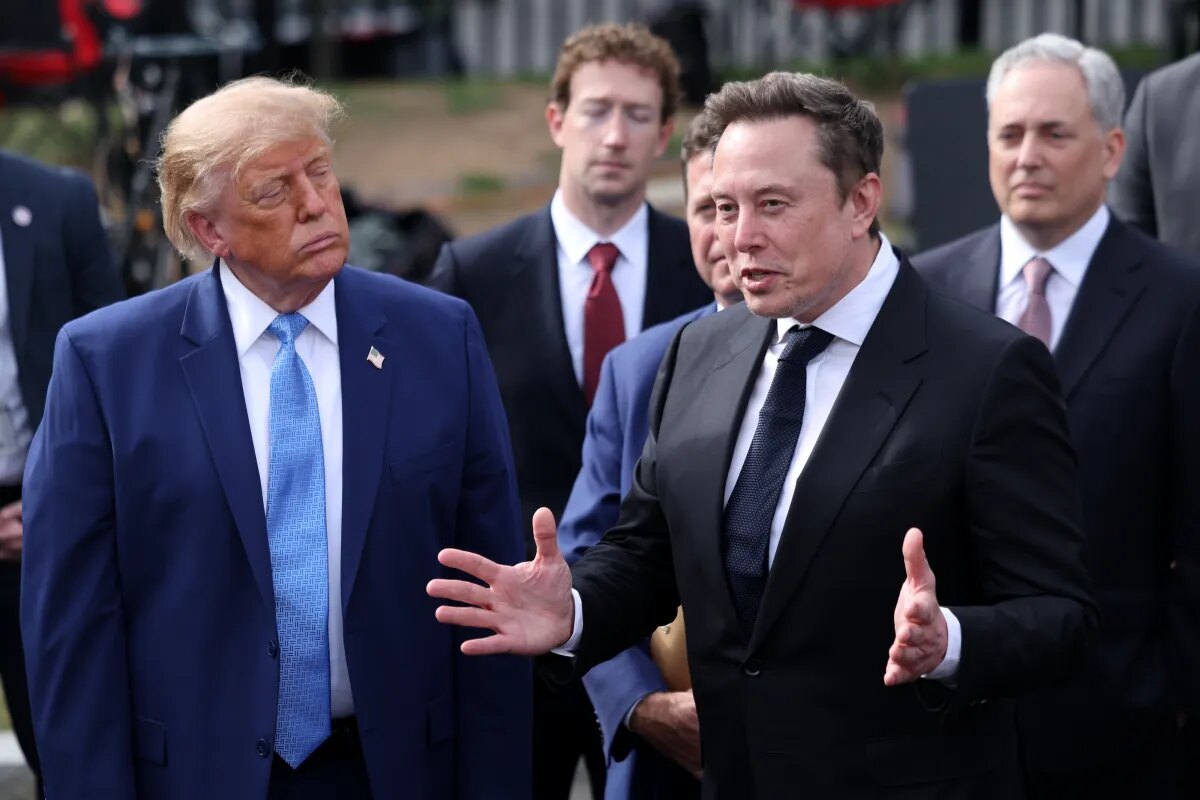
President Donald Trump hosted leading artificial intelligence executives at the White House and announced that the U.S. government would use the term “super intelligence” rather than “artificial intelligence.” The gathering also produced the Joint Commitment on Frontier Responsibilities, a safety pact signed by executives from major technology companies.
On TechCrunch’s Equity podcast, Anthony Ha, Kirsten Korosec and Sean O’Kane questioned how much practical effect the agreement will have. Their central concern was straightforward: the commitment is voluntary and has no legal force. Trump described it as “morally binding,” but the discussion found little evidence that the document itself creates enforceable obligations.
A voluntary commitment amid a policy reversal
The meeting came after Trump had publicly argued against constraining AI development and against regulation framed around the technology’s dangers. The decision to convene executives around a frontier-safety commitment therefore stood out even if the text was assembled quickly.
O’Kane highlighted a visible sign of that haste: the agreement misspelled “United States.” He argued that the error, alongside the pact’s non-binding nature, reinforced doubts that it would produce major operational or regulatory changes.
The event also involved Anthropic CEO Dario Amodei, whose company had recently faced tension with parts of the administration. Korosec noted that Amodei attended after a late dinner with Trump, while O’Kane said the relationship remained unsettled because the Defense Department continued to criticize Anthropic and its conditions on technology use.
“Super intelligence” as an image strategy
Korosec’s interpretation was that the meeting mattered chiefly as a rebranding exercise. In that reading, the administration was seeking to separate the phrase “super intelligence” from public anxieties associated with AI, including fears about safety and job losses.
The terminology shift continued with Trump’s announcement of a new Super Intelligence Force. The podcast did not present the name change as a technical distinction between products or models. Instead, it treated the wording as part of the political and public-facing message surrounding the technology.
What companies should take from the event
The White House gathering signals that frontier AI safety has become useful political terrain even as its announced commitment remains voluntary. For companies buying, deploying or building AI systems, the practical implication is to rely on their own documented governance, use restrictions, risk reviews and contractual supplier commitments rather than assume that new federal terminology or a non-binding pact establishes operational safeguards.