


Ultrahuman Raises $70M to Build More Capable Smart Rings
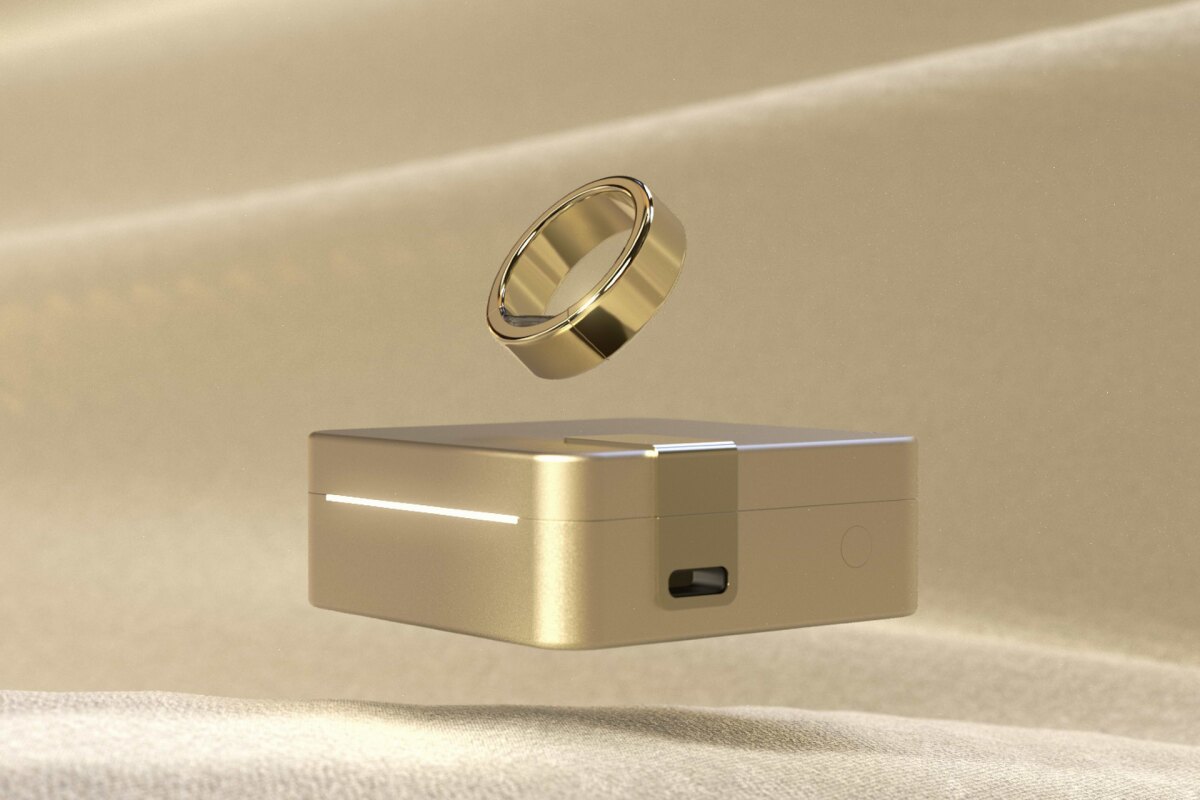
Indian smart-ring maker Ultrahuman has raised $70 million in a financing round backed by Qualcomm Ventures, Labcorp, Alpha Wave, Blume Ventures, Nexus Venture Partners and Alteria Capital. The Bengaluru-based company was valued at $365 million, versus $120 million in 2023, a person familiar with the matter told TechCrunch.
The round comprises $65 million in primary equity and $5 million in debt, founder and chief executive Mohit Kumar said. Ultrahuman intends to use Qualcomm silicon in a future ring, replacing the Nordic Semiconductor chip used in its current hardware.
From tracking to on-device software
Ultrahuman’s stated aim is to move smart rings beyond their established role as trackers of heart rate, movement and sleep. Kumar said the additional computing power could enable more algorithms and software to run on the ring itself, with less dependence on a phone or cloud service.
The company is considering a device that can act as a pointer or mouse, game controller, car key and interface for AI interactions. It also envisages third-party developers building programs for the platform. A ring’s position on a finger could make it a precise interaction device while retaining physiological signals including heart rate, temperature and movement.
Ultrahuman is not waiting for the Qualcomm-based hardware to test this direction. It plans a software update for its existing Ring Air and Ring Pro by the end of September, adding capabilities for game control, interaction with AI applications and third-party feature development.
Growth, supply and health partnerships
Kumar said Ultrahuman is operating at an annual revenue run rate of $140 million, roughly 45% higher than a year earlier, and expects to reach a $200 million run rate by January 2027. The company has sold about 800,000 rings, compared with around 700,000 in February, while about 12% of users pay for its PowerPlugs subscription features.
The US is its largest market and accounted for roughly 45% of revenue this quarter; India contributed about 11%. Ultrahuman had stopped selling Ring Air in the US for much of the past year amid a patent dispute with Oura, but returned with the redesigned Ring Pro. Kumar said US demand for the device is currently 18 to 20 times available supply.
The company also plans to expand in India and the UAE, where it has found physical stores and other offline touchpoints helpful for sales. Investment in those locations, brand-building, clinical research and product development means Ultrahuman may not be profitable this year. Kumar said the company wants to demonstrate about eight quarters of profitability before an IPO, with 2028 its earliest anticipated window.
Diagnostics remains part of the strategy
Alongside hardware development, Ultrahuman and Labcorp are exploring whether blood-flow signals captured by the ring can be paired with blood-test data to identify risks related to cardiovascular health, fertility and ageing. Labcorp said longitudinal wearable data combined with deeper biological signals could create opportunities in personalised health.
For businesses evaluating wearable platforms, Ultrahuman’s plan illustrates that product value may increasingly depend on local computing capacity, software ecosystems and responsible handling of physiological data, rather than sensor collection alone.