


US Midterm Results Raise Pressure for Data Center Controls
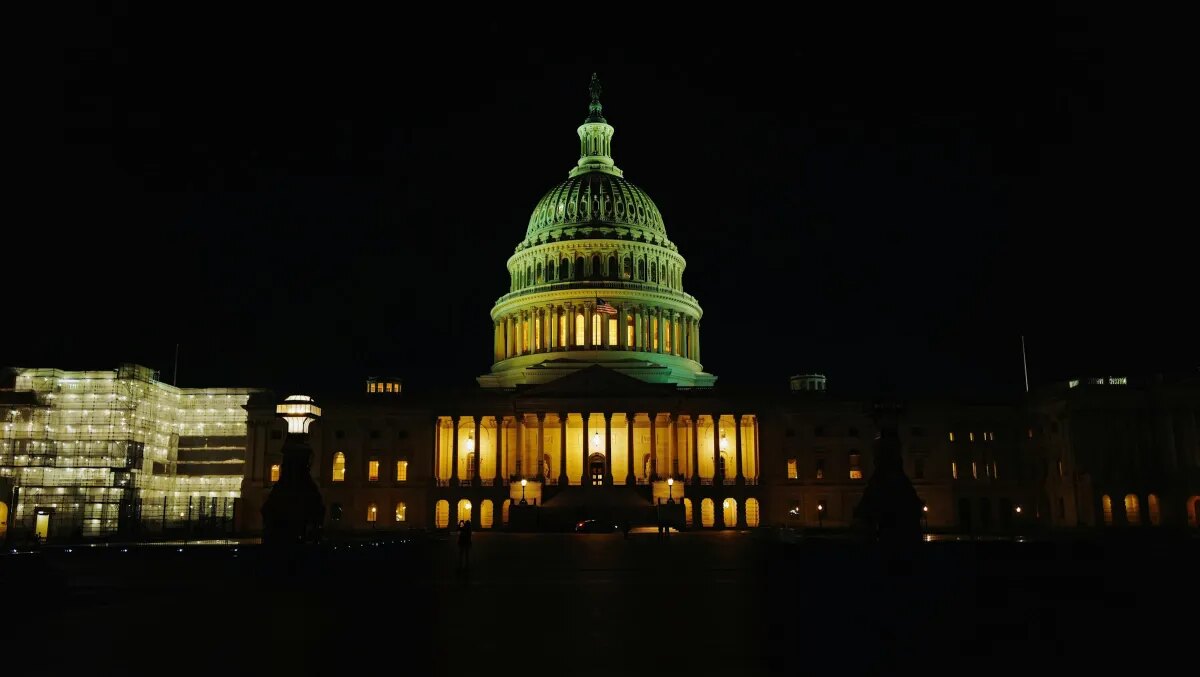
Democrats gained full control of Congress in the Nov. 3 midterms, while voter resistance to data-center construction emerged as a significant political issue. An NBC exit poll found that almost 80% of respondents opposed data centers in their own neighborhoods, more than half believed artificial intelligence would do more harm than good, and almost 60% said data centers were a crucial or major factor in their vote.
The result could increase pressure for limits on where facilities are built and for stronger community influence over projects. Data centers house the computing systems that support AI, but their rapid expansion has become entangled with concerns about electricity costs, local environmental effects, tax incentives and public disclosure.
State and local resistance gains momentum
Ohio was among the states where the backlash was most visible. OpenAI has considered a $500 billion data-center project in the state, supported by more than $100 billion in financing from Nvidia. In the county where Meta had planned a 700,000-square-foot facility, voters approved a ban on data centers. Communities elsewhere in Ohio also voted against measures supporting data-center development.
Candidates who opposed rapid construction won seats in Texas, Maine, Michigan, Nevada, Georgia and South Carolina. Morgan Stanley has identified Democratic Governor-elect Amy Acton as a potential risk to Ohio’s data-center buildout, while Goldman Sachs expects Democratic gains to contribute to construction delays in Georgia and Texas.
Potential state and local responses include construction moratoriums and requirements for data-center operators to pay for grid upgrades rather than allowing the costs to be passed to nearby communities. The issue also extends beyond the facilities themselves: critics point to zoning rules that can be vague or outdated, and to nondisclosure agreements that can prevent local officials from publicly discussing proposed projects.
Federal proposals face a divided path
Democratic control of Congress could improve prospects for legislation introduced by Senator Bernie Sanders and Representative Alexandria Ocasio-Cortez. Their proposal would place a nationwide moratorium on new data centers until Congress establishes guardrails intended to prevent higher electricity costs, environmental harm and construction without community approval. Any such bill could still face a presidential veto.
Another proposal, the GRID Savings Act from New Mexico Senator Martin Heinrich, would prevent grid-infrastructure costs associated with large AI data-center projects from being passed on to communities. Environmental concerns are particularly prominent around xAI’s Memphis facility, which uses gas turbines for power, and at facilities across Virginia, a major data-center hub where gas turbines are also in use.
Consent, costs and transparency become operating issues
Supporters often frame data-center capacity as important to US competitiveness and national security. Yet even within the Democratic coalition, a blanket freeze remains contested because some lawmakers fear it could slow AI progress. The political pressure is therefore likely to focus not only on whether projects proceed, but on the terms under which they are approved.
For businesses planning AI capacity or infrastructure investments, site selection now requires attention to community consent, power sourcing, grid costs, air-quality standards and disclosure obligations alongside technical capacity. Developers that can demonstrate how they will fund their own power needs and engage affected residents will be better prepared for a more demanding approval environment.