


Wabi launches multiplayer AI assistant with app-building threads
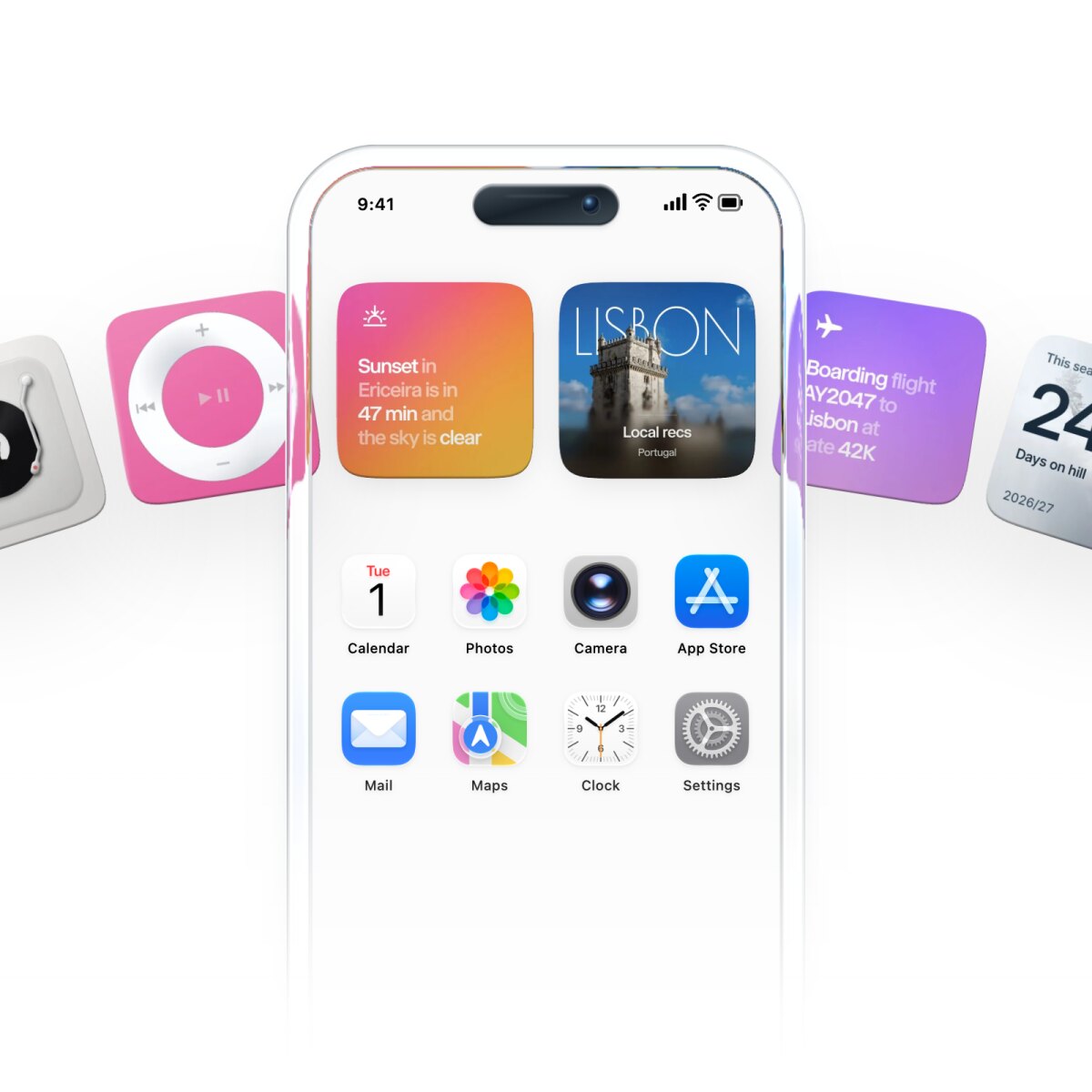
Wabi, the startup founded by former Replika CEO Eugenia Kuyda, has officially launched its personal AI assistant for all users. The product is designed as a messenger-style application in which people maintain multiple agentic threads for separate tasks and long-term goals, while the assistant can create custom apps within each thread.
The launch comes 12 years after Kuyda presented IO, Luka’s conversational lifestyle concierge, at TechCrunch Disrupt. Luka later pivoted into Replika. Kuyda left Replika as CEO last year to found Wabi, which initially launched with a $20 million pre-seed round.
From social mini-apps to agent-managed software
Wabi’s initial product was framed as a social platform for creating prompt-built mini apps and sharing them with friends or across the service. Over the past year, Kuyda said the company learned that users value personal software but may not want to spend time building it themselves.
In Wabi 2.0, the agent takes on much of that work. After a user connects an email account, Wabi can generate a set of initial threads and apps. Users can then ask for further custom apps or create new threads for additional needs. Examples described by Kuyda include a weight-loss tracker in a health thread and an app for nearby children’s events in a family thread.
Kuyda positions this approach alongside personal AI assistants such as Muse and Instinct, while emphasizing that Wabi combines assistant conversations with purpose-built apps. Its structure also separates information across dedicated threads rather than placing all interactions in one continuous chat.
Shared threads and scoped access
Threads can be shared with other people and operate as group chats. In a shared thread with her boyfriend, Kuyda demonstrated apps for live music, a daily relationship question, restaurant suggestions, shared-calendar events and reading recommendations. A family-oriented thread included a daughter’s schedule, local child-friendly events and Japanese quizzes.
Participants can choose how much personal information to make available, including email, calendar information and bank account details. Kuyda said access is scoped to individual chats, and every participant can see when someone requests personal information. Wabi is SOC 2 compliant, meaning its data security controls have undergone an independent audit. The service runs entirely in the cloud, and Kuyda said most user data is stored in the United States.
Business model remains undecided
Wabi is currently free, and the company has not settled on a business model. Kuyda said the startup is in talks to raise additional funding. For organizations evaluating personal AI assistants, Wabi’s design highlights a practical trade-off: separate shared workspaces and visible access requests may help teams coordinate around a task, but they must still decide carefully which data belongs in each conversation.