


AI startups urged to test retention beyond pilot revenue
Pilots are not proof of lasting demand
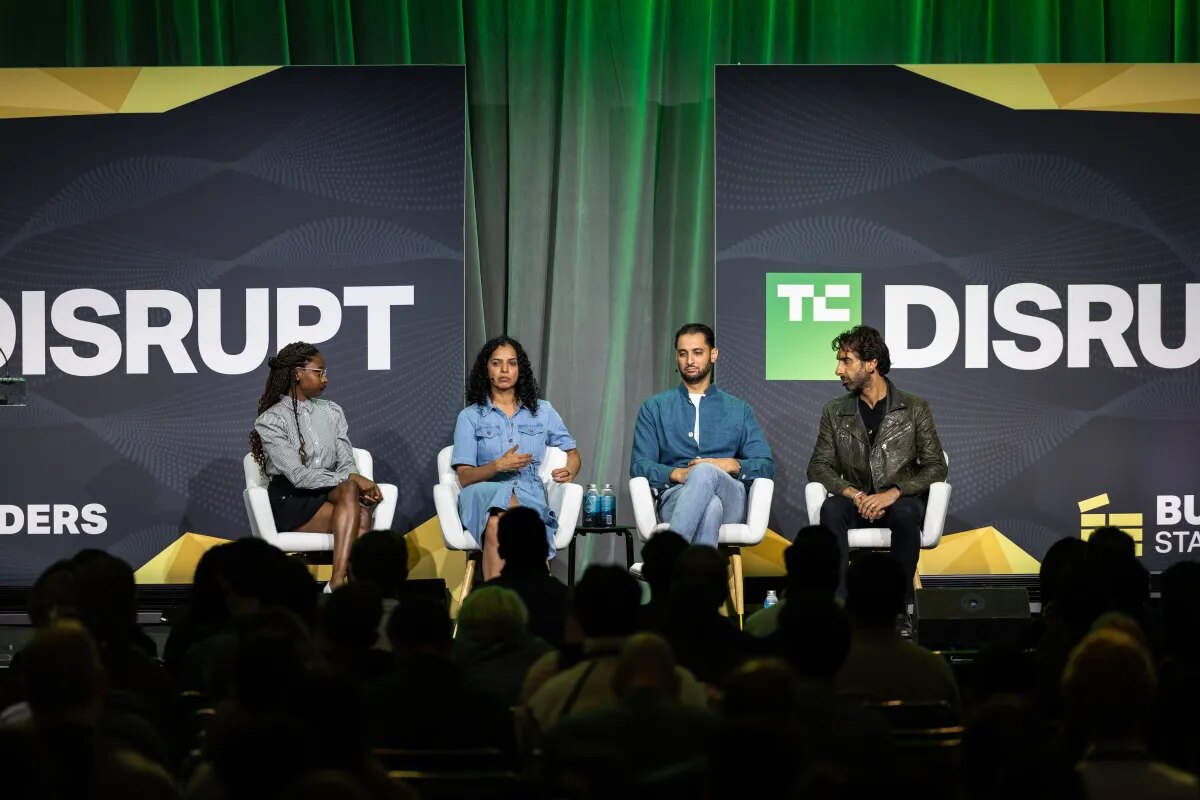
At TechCrunch Disrupt, Anu Bharadwaj of Iconiq, Rajeev Dham of Sapphire Ventures and Rahul Vohra, founder of Superhuman Mail, argued that product-market fit has become harder to judge in the AI era. Their central warning was that rapid early growth and a large number of pilots do not necessarily translate into durable customer adoption.
Bharadwaj said companies are increasingly willing to try new products, making it easier for startups to secure pilots. The difficult transition is moving from a pilot into production use. That distinction matters when founders present revenue figures to investors and stakeholders.
She urged companies to be explicit about whether they are reporting annual recurring revenue or annualized run rate. The terms can produce very different impressions of a business. Counting short-term pilot customers in an annualized figure can suggest revenue will continue for a year even when the customer relationship has not yet proved durable.
Revenue quality and retention reveal the underlying fit
Bharadwaj said founders should be honest about the quality of revenue rather than allowing hype to obscure it. Warning signs include revenue that depends heavily on only a few customers or customers that can readily move to another vendor for a better price. In those circumstances, churn and retention can be especially exposed.
Vohra said startups, particularly consumer businesses, should track customer engagement and dollar retention as well as ARR. He recommended establishing benchmarks for what counts as good, great and excellent performance within the relevant market instead of relying on a single headline revenue measure.
At Superhuman, Vohra said the company tracked ARR alongside an internal metric called “delighted ARR.” It represented ARR from customers who were highly engaged with the product. The metric helped the team assess how sticky those customers were and how likely they were to remain. Vohra said Superhuman focused intensely on serving that segment of its users and customers.
Fit must be tested and re-earned
Vohra also recommended asking customers what value they receive from a product and how they would feel if they could no longer use it. Founders need to evaluate those answers candidly. He said a result at 15%, 14% or 13% or below should prompt consideration of a complete pivot, while a 20% result can be improved through optimisation toward 40%.
Dham cautioned founders not to confuse having a vision with having a good business. Bharadwaj said that at seed stage she does not require product-market fit; she looks for a plausible founder thesis and the agility to adapt as conditions change. Dham said founders who have made several pivots can demonstrate their capacity for difficult decisions.
The panel’s practical implication is that businesses should treat product-market fit as an ongoing operating test: separate pilot revenue from recurring revenue, monitor engagement and retention, and keep adapting the product as customer needs evolve.